
Borax Pentahydrate (Technical Granular) - Turkey CAS: 12179-04-3



Discover how simultaneous disruptions to Saudi Arabia's Hormuz and Red Sea shipping routes could affect petrochemical exports, fertilizer supply, and global chemical procurement.
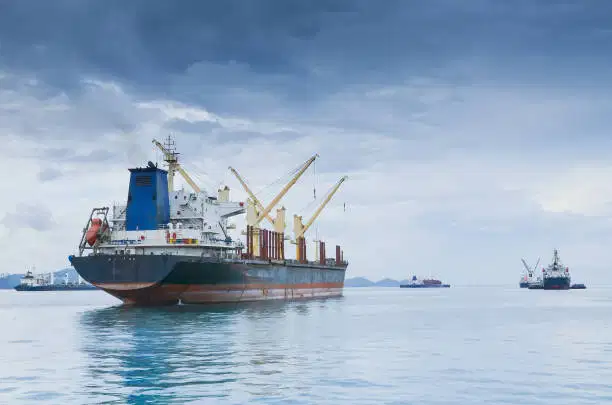
The sudden end of a regional ceasefire has formally reopened the Hormuz shipping crisis, କ re‑igniting fears of major disruptions in the Strait of Hormuz. This development threatens to ripple through chemical logistics, tanker operations, freight rates, and global supply chains, especially in the fertilizer sector.

Trump’s reversal on the 20% Hormuz cargo fee removes one cost pressure, but broader shipping disruptions and geopolitical risks continue to affect fertilizer supply chains.
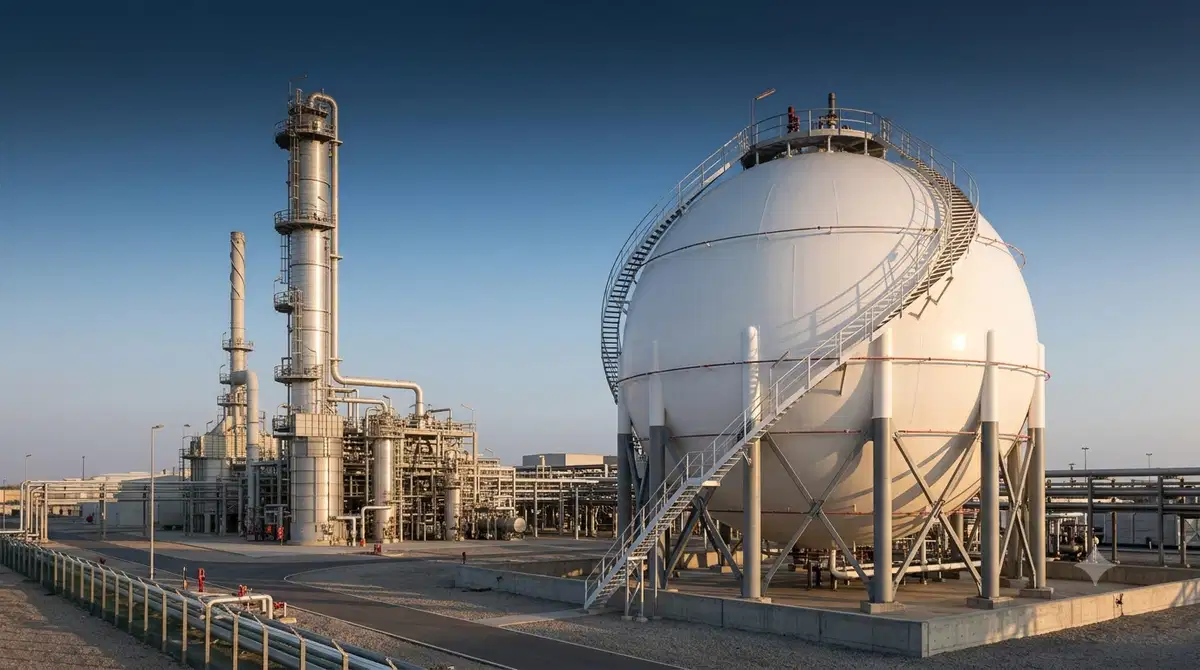
When shipping routes face disruption, fertilizer and energy cargoes often receive priority over plastics and specialty chemicals. Understanding this logistics shift helps procurement teams reduce supply risks, improve sourcing strategies and protect production schedules.

Australia's spring planting procurement window is entering its most important phase. While Chinese and Indian agrochemical imports remain relatively insulated from Hormuz disruption, phosphate fertilizer sourcing requires closer attention as renewed geopolitical uncertainty increases the value of reliable supplier origins and resilient export routes.
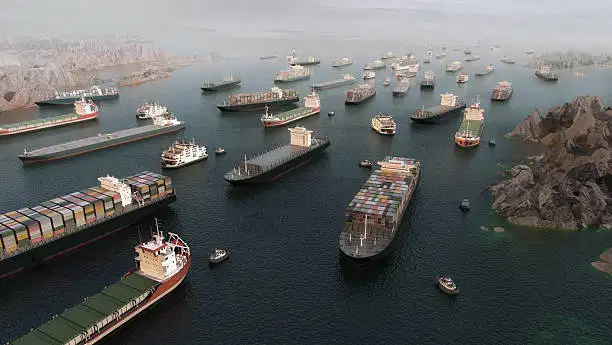
India’s 15 confirmed safe crossings of Tariq al‑Abed’s Hormuz Strait reveal more than just maritime security. They offer a window into convoy capacity, priority cargo flows, and the resilience of fertilizer and industrial chemical supply chains. Understanding this data is crucial for procurement and logistics teams in the Gulf region.
We're committed to your privacy. Tradeasia uses the information you provide to us to contact you about our relevant content, products, and services. For more information, check out our privacy policy.