The Hormuz Strait lenen is a pivotal choke point for global maritime trade, especially for energy, fertilizers, and industrial chemicals. India’s recent tally of 15 safe crossings has sparked interest among logistics professionals, who now ask: what does this number say about convoy throughput, cargo priorities, and the broader Gulf supply chain?
Understanding Convoy Throughput
Convoy throughput is the measure of how many vessels or trucks can pass through a chokepoint within a given time frame, considering speed limits, security checks, and traffic density. In the Hormuz context, a safe crossing involves a vessel’s successful navigation past Iranian and Gulf Coast security while maintaining schedule integrity.
India’s 15 crossings over a five‑month period average 3 crossings per month. While this figure may appear modest compared to the 300‑plus daily crossings by global shipping giants, it is significant for India’s freight strategy.
Factors Influencing Throughput
Security Protocols: Iran’s increased enforcement of vessel inspections can delay transit, reducing throughput.
Geopolitical Tensions: Sanctions and diplomatic friction can cause temporary route diversions.
Some ships opt for alternative routes, such as the Bahrain‑Al‑Wadib corridor, to avoid high‑risk zones.
Implications for Priority Cargo
India’s freight operators prioritize cargoes based on economic value and urgency. The 15 crossings indicate a strategic focus on high‑value goods, such as fertilizers and chemical feedstocks, rather than bulk oil shipments.
India Fertilizer Imports
India is the world’s largest consumer of nitrogen fertilizers, sourcing over 70% of its needs from Production Countries in the Middle East and Pakistan. The Hormuz Strait is a critical transit point for these imports.
Quantity: Each crossing typically carries 2–3 tankers, each with 200,000–250,000 metric tonnes of urea or ammonium nitrate.
Timing: The 15 crossings align with India’s monsoon season, when domestic production dips.
Cost Impact: Reduced throughput can lead to higher freight rates, affecting the overall cost of fertilizer imports.
Supply Chain Resilience
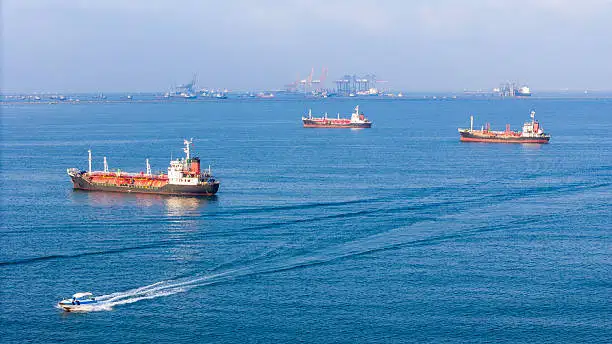
Freight forwarders use the crossing data to forecast buffer stocks. A 10% increase in crossing frequency could mean a 5% reduction in storage costs for fertilizer plants.
Industrial Chemical Logistics
Beyond fertilizers, the Hormuz Strait is a conduit for industrial chemicals such as methanol, ethylene, and sulfuric acid. These chemicals feed into India’s burgeoning petrochemical and pharmaceutical sectors.
Safety and reliability are paramount. The 15 safe crossings reflect stringent compliance with international maritime security standards, which is critical for the transportation of hazardous materials.
Compliance and Insurance
IMO 2023 Standards: Vessels must maintain a minimum safety rating.
Insurance Premiums: Lower incident rates translate to lowerхоз premiums.
Port Call Efficiency: Efficient navigation reduces turnaround times, shortening the window for potential security breaches.
Strategic Recommendations for Procurement Intelligence
Logistics teams should consider the following when interpreting the 15 crossing figure:
Scenario Planning: Build models that account for 10–20% fluctuations in crossing frequency.
Alternative Corridors: Evaluate the viability of routes through the Strait of Malacca for high‑value cargoes.
Collaborative Security: Partner with regional navies and private security firms to mitigate risks.
Real‑Time Tracking: Deploy AIS and blockchain solutions to monitor vessel status and predict delays.
Buffer Stock Management: Adjust inventory levels based on projected crossing schedules.
The huku of 15 safe Hormuz crossings is more than a statistic; it is a barometer of India’s supply chain health, convoy capacity, and maritime security posture. For procurement intelligence and logistics teams, understanding the nuances behind this number enables proactive risk management, cost optimization, and resilient supply chain design in the Gulf logistics environment.