Australia Pre-Season Agrochemical Procurement: Geopolitical Overlay for Spring Planting
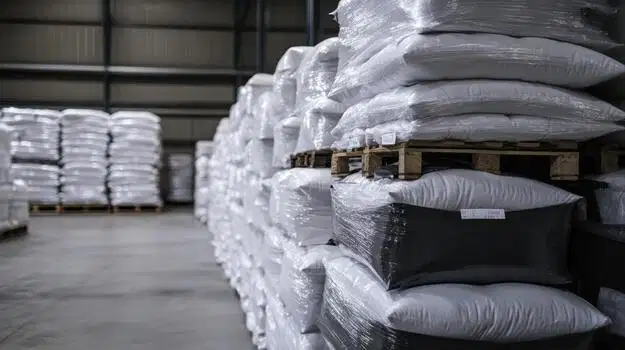
Australia's agricultural procurement calendar follows a different rhythm from that of the Northern Hemisphere. For wheat and canola producers preparing for spring planting during September and October, the critical purchasing period occurs several weeks earlier. By August, distributors and importers are expected to have secured much of their herbicide, fungicide, insecticide, and fertilizer inventory so products are positioned within domestic distribution networks before planting activity accelerates. Procurement decisions made during July therefore influence not only inventory availability but also pricing, logistics, and supply continuity throughout Australia's spring cropping season.
From a geopolitical perspective, Australia's supply chain is more diversified than many European or Middle Eastern markets. Agrochemicals imported from China and India generally move through Asia-Pacific shipping routes rather than relying on the Strait of Hormuz. Many containerised specialty chemicals, crop protection products, and intermediates therefore remain comparatively insulated from direct Gulf maritime disruption, although they continue to face normal freight, port, and container market fluctuations. This routing advantage reduces—but does not eliminate—the exposure of Australian agrochemical distributors to Middle Eastern geopolitical events.
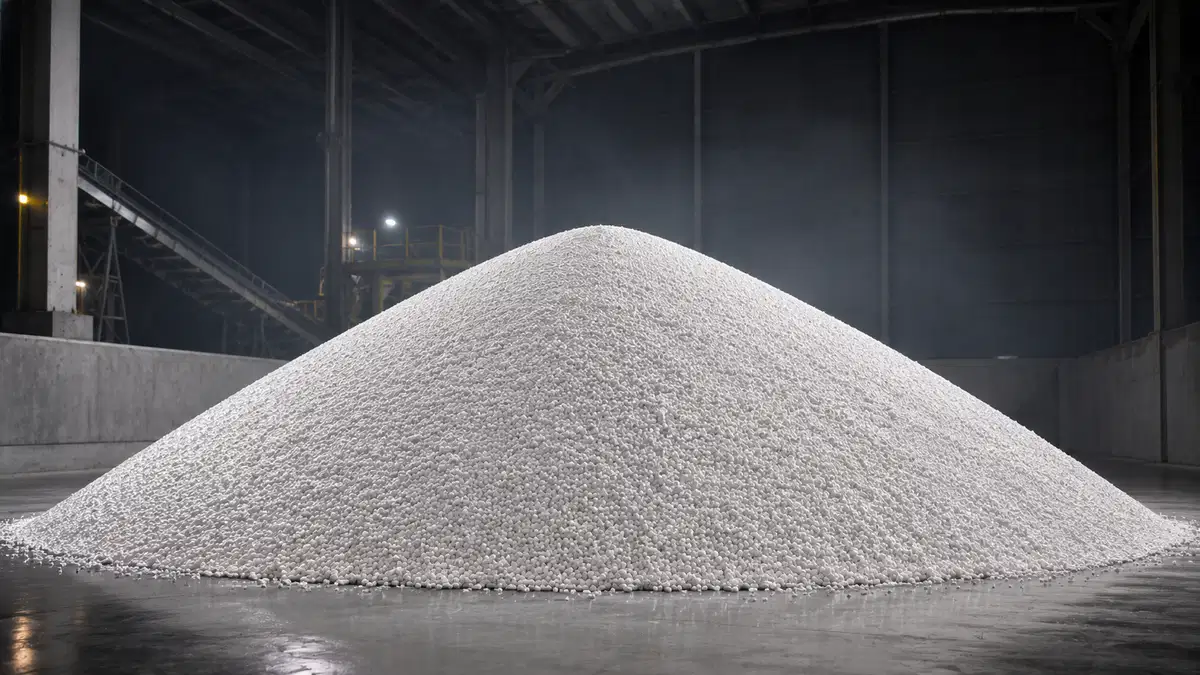
The fertilizer picture is different. Australia remains heavily dependent on imported phosphate fertilizers, including Diammonium phosphate and Monoammonium phosphate, sourced from multiple international origins. While imports from OCP Group travel through Atlantic and Cape routes that avoid Hormuz, Gulf-origin phosphate products remain indirectly exposed to regional shipping conditions, sulfur availability, marine insurance costs, and vessel scheduling. The renewed military escalation following the July ceasefire collapse therefore reintroduces uncertainty into part of Australia's phosphate supply chain, even though not every shipment physically transits the same high-risk corridor.
Why Morocco's Tender Results Matter More Than Gulf Price Discounts
For Australian fertilizer buyers, this week's OCP tender activity deserves close attention because it provides one of the earliest market signals following the latest geopolitical developments. Tender outcomes should not be viewed simply as a benchmark for phosphate prices. They also reflect buyer sentiment regarding logistics reliability, sulfur availability, freight expectations, and confidence in future supply. Strong participation or firmer clearing prices may indicate that international buyers are assigning greater value to supply security than they were before the renewed escalation.
Procurement teams should avoid assuming that the lowest quoted origin automatically represents the lowest commercial risk. A modest price advantage on Gulf-origin material may be offset if shipments experience delays, insurance complications, or freight volatility during the pre-season purchasing window. Conversely, a supplier with a more resilient export route may justify a higher purchase price if it provides greater delivery certainty before Australia's planting season begins. Total landed cost should therefore include logistics reliability, transit risk, inventory carrying costs, and the financial impact of delayed fertilizer availability—not simply the invoice price.
For Australian distributors, the immediate priority is to finalise procurement while maintaining flexibility. Buyers should compare Moroccan, Gulf, and other available origins using a scenario-based approach rather than relying on a single market assumption. Supplier discussions should include shipment schedules, inventory availability, sulfur supply exposure, freight validity periods, and contingency plans should regional conditions deteriorate further. Existing purchase commitments should also be reviewed to determine whether deliveries are already secured or remain dependent on future vessel nominations.
The broader lesson from 2026 is that agricultural procurement now requires integrating geopolitical intelligence with seasonal planning. Australia's crop calendar has not changed, but the external risks influencing fertilizer availability have become more dynamic. Companies that combine agronomic timing with supply-chain resilience will be better positioned to support growers during the spring planting season while limiting exposure to unexpected international disruptions.
Looking for Australian agrochemical procurement intelligence? Monitor OCP tender outcomes, phosphate freight conditions, and shipment reliability together—pre-season purchasing decisions should balance landed cost with supply security as spring planting approaches.