Introduction
Calcium nitrate plays a critical role in global fertilizer supply chains by providing crops with essential nitrogen and calcium. These nutrients support strong plant growth, higher yields, and improved crop quality, while also helping address common soil deficiencies. Its growing importance is closely linked to rising global food demand and the push toward more sustainable agricultural practices under increasing environmental pressure.
Market analysis points to steady growth for calcium nitrate fertilizers, supported by their efficiency in precision farming and their ability to reduce nutrient losses compared with some traditional nitrogen sources. High solubility allows calcium nitrate to work smoothly with fertigation systems, which improves nutrient delivery and lowers overall application costs. By supplying two key nutrients in one product, it also helps simplify logistics. As sustainability becomes a stronger focus, producers are shifting toward lower-carbon production methods, helping stabilize supply chains while meeting stricter environmental standards.
Calcium Nitrate Fertilizer Supply Chain Overview
Calcium nitrate is a vital fertilizer within global agricultural supply chains. It delivers soluble calcium and nitrogen that help prevent crop disorders such as blossom end rot and tip burn. From raw material sourcing to final delivery, the supply chain involves several interconnected stages, each influenced by cost, energy use, and regulatory requirements.
Stability has become a key concern as producers and distributors respond to raw material price swings and tighter environmental rules. Reliable supply increasingly depends on efficient production, strong logistics, and consistent product quality.
Raw Materials and Inputs
The main raw materials used to produce calcium nitrate are nitric acid and limestone or calcium carbonate. Nitric acid is produced from ammonia through oxidation, and ammonia itself is often derived from natural gas. Limestone provides an accessible and cost-effective source of calcium, making it a preferred input in many regions.
In some fertilizer grades, small amounts of micronutrients such as copper, iron, manganese, or zinc are added later in the process to create fortified products. These additions improve crop nutrition and support higher-value agricultural applications.
Manufacturing Process
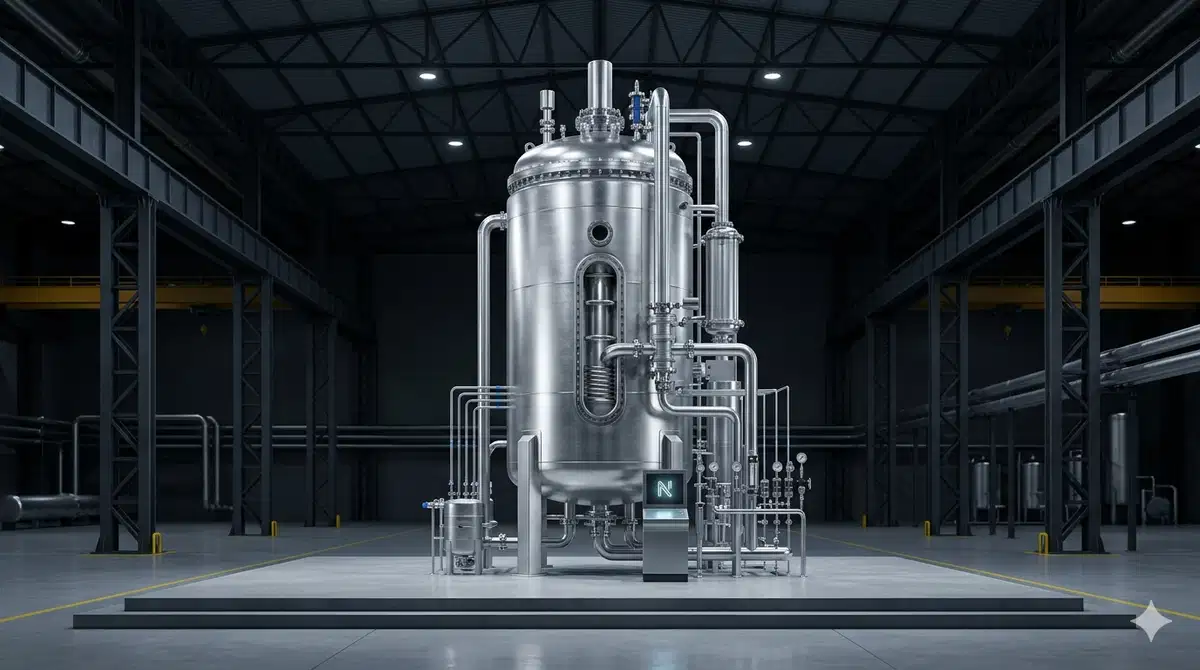
Production begins when limestone reacts with nitric acid in a controlled reactor, forming a calcium nitrate solution. This solution is then concentrated through evaporation until crystallization begins. Cooling allows solid calcium nitrate to form, which can be shaped into flakes, prills, or granules depending on the final product type.
Additional steps include neutralization to control acidity, filtration to remove impurities, and drying to achieve the required moisture level. These stages ensure the fertilizer meets purity and performance standards demanded by modern agriculture.
Packaging, Storage, and Transport
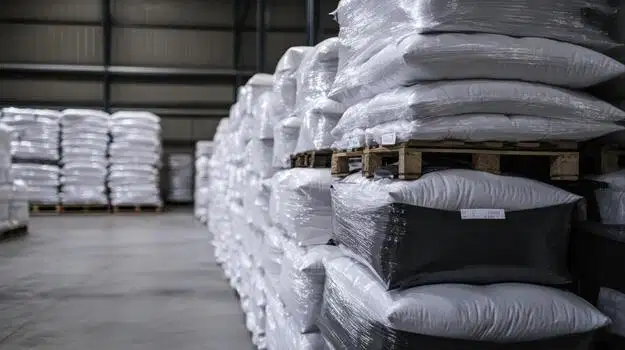
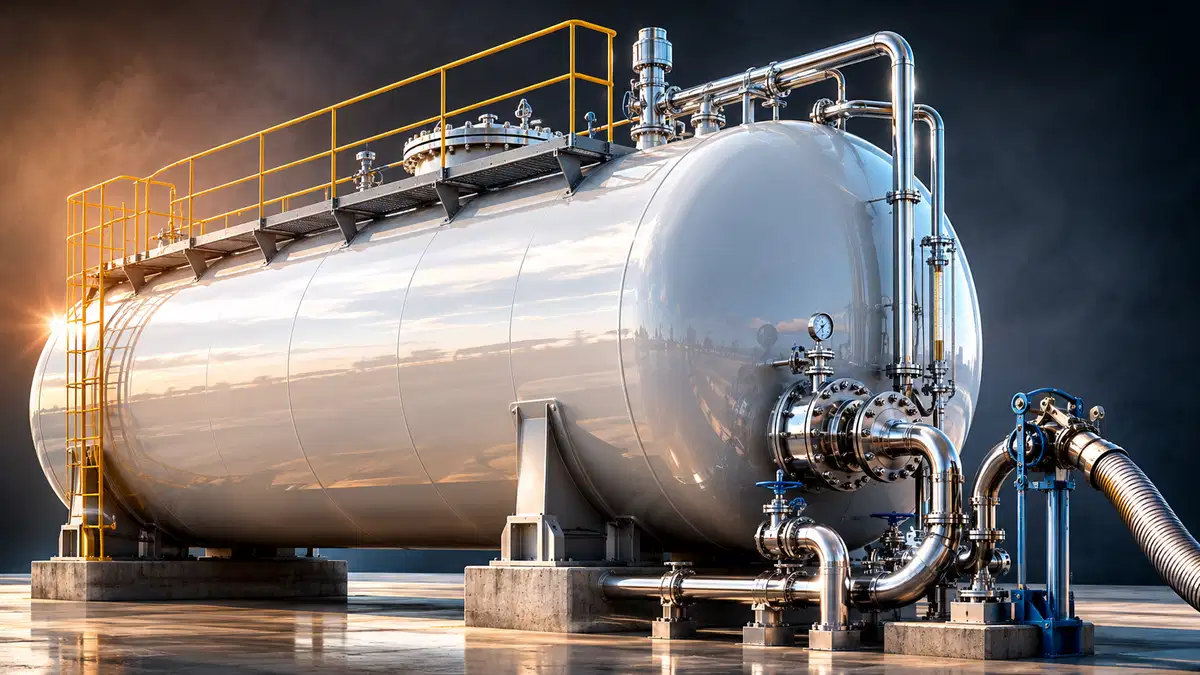
Because calcium nitrate readily absorbs moisture, careful packaging and storage are essential. Solid products are typically packed in moisture-resistant bags ranging from 25 to 50 kilograms, or in large bulk bags for industrial and agricultural buyers. Storage areas must remain cool, dry, and well ventilated to prevent caking and quality loss.
During transport, covered trucks and sealed containers are used to protect the product. Calcium nitrate is classified under UN 1454, which requires compliance with specific handling and safety rules during international shipment.
Global Supply Landscape
Asia-Pacific leads the global calcium nitrate supply landscape, accounting for more than 40 percent of both production and consumption. Large agricultural economies such as China and India drive demand, supported by extensive farming activity and expanding greenhouse operations. Europe remains a major manufacturing hub, known for high-quality production and compliance with strict environmental regulations. North America supports steady growth through advanced precision farming practices.
Global production capacity continues to expand at an estimated rate of 4 to 6 percent annually through 2030, reflecting the ongoing need to support food security and modern farming systems.
Production Capacity and Trade Flows
Worldwide production capacity exceeds 15 million tons per year, with utilization rates typically ranging between 80 and 85 percent. Seasonal planting cycles and raw material availability influence how fully plants operate throughout the year. Market projections suggest total market value could reach between USD 18 and 22 billion by the early 2030s, driven largely by protected cultivation and supportive agricultural policies in Asia.
International trade plays a major role in balancing supply and demand. China, Norway, Russia, and Germany are key exporters, while countries such as India, Brazil, the United States, and several Southeast Asian nations rely on imports to meet 30 to 50 percent of their needs. Bulk shipments in sealed containers help maintain product quality during long-distance transport.
Supply Chain Outlook Through 2030
In the short term, calcium nitrate supply chains face pressure from fluctuating prices of ammonia and nitric acid, influenced by energy costs and geopolitical factors. Demand in Asia-Pacific remains strong due to seasonal planting and rapid greenhouse expansion, pushing plant utilization higher during peak periods. Liquid calcium nitrate products are gaining popularity in fertigation systems, easing application but increasing storage and handling requirements.
Over the medium to long term, market growth is expected to remain positive. From 2027 onward, rising adoption of sustainable farming practices in Europe and North America supports demand, especially where calcium nitrate helps reduce nutrient runoff. Asia-Pacific continues to lead growth as urban farming and high-value crop production expand. Capacity additions in major producing countries are expected to improve supply stability and moderate price volatility.
Key Supply Chain Challenges
Despite positive growth prospects, several challenges persist. Raw material prices remain volatile due to energy market swings and export restrictions. Natural gas costs directly affect ammonia production, which in turn impacts nitric acid availability. These pressures can raise production costs, especially during peak agricultural seasons.
Energy constraints also affect output, particularly in regions heavily dependent on gas and electricity. Logistics add another layer of complexity. Seasonal congestion at ports, trade barriers, and disruptions along major shipping routes can delay deliveries and raise freight costs. The moisture-sensitive nature of calcium nitrate further increases handling and storage risks in humid climates.
Opportunities from Supply Chain Shifts
Ongoing supply chain adjustments are creating new opportunities. Regional production is gaining momentum as countries seek to reduce reliance on imports and lower transport costs. New plants in South and Southeast Asia use local limestone resources, improving supply security and supporting domestic agriculture.
Logistics innovation is also reshaping distribution. Digital tracking systems help manage inventory and delivery routes more efficiently, while improved container designs reduce moisture exposure during transport. Sustainability efforts add further value, with low-carbon production methods and precision fertigation helping meet environmental goals and regulatory requirements.
Strategic Insights for Industry Stakeholders
For producers, investing in flexible production facilities close to limestone and ammonia sources can help reduce costs and limit exposure to raw material price swings. Modular plants and energy-efficient upgrades also improve resilience as markets respond to tighter environmental rules and shifting trade flows.
Distributors play a key role in maintaining supply continuity. Strong storage infrastructure, moisture-controlled warehouses, and diversified sourcing strategies help minimize losses linked to calcium nitrate’s hygroscopic nature. In this context, working with established regional suppliers becomes increasingly important. Fertilizer supports fertilizer and agribusinesses through reliable calcium nitrate sourcing, regional logistics networks, and quality-controlled supply tailored to local market conditions. Access to such partnerships helps reduce procurement risk while improving delivery consistency across Asia-Pacific and other high-growth regions.
For end users, calcium nitrate remains well suited to modern farming systems. Farmers benefit from fertigation-compatible formulations that lower application costs and improve nutrient efficiency, particularly in greenhouse and high-value crop production. As precision agriculture expands, dependable supply and technical support will continue to shape purchasing decisions.
Conclusion
The calcium nitrate fertilizer supply chain continues to evolve in response to global food demand, sustainability priorities, and shifting trade dynamics. While challenges related to raw materials, energy, and logistics remain, ongoing investment in capacity, technology, and regional production supports a stable long-term outlook. As agriculture moves toward greater efficiency and environmental responsibility, calcium nitrate is expected to remain a key component of fertilizer supply chains worldwide.