Cottonseed Meal CAS: 68308-87-2

Cottonseed Meal CAS: 68308-87-2
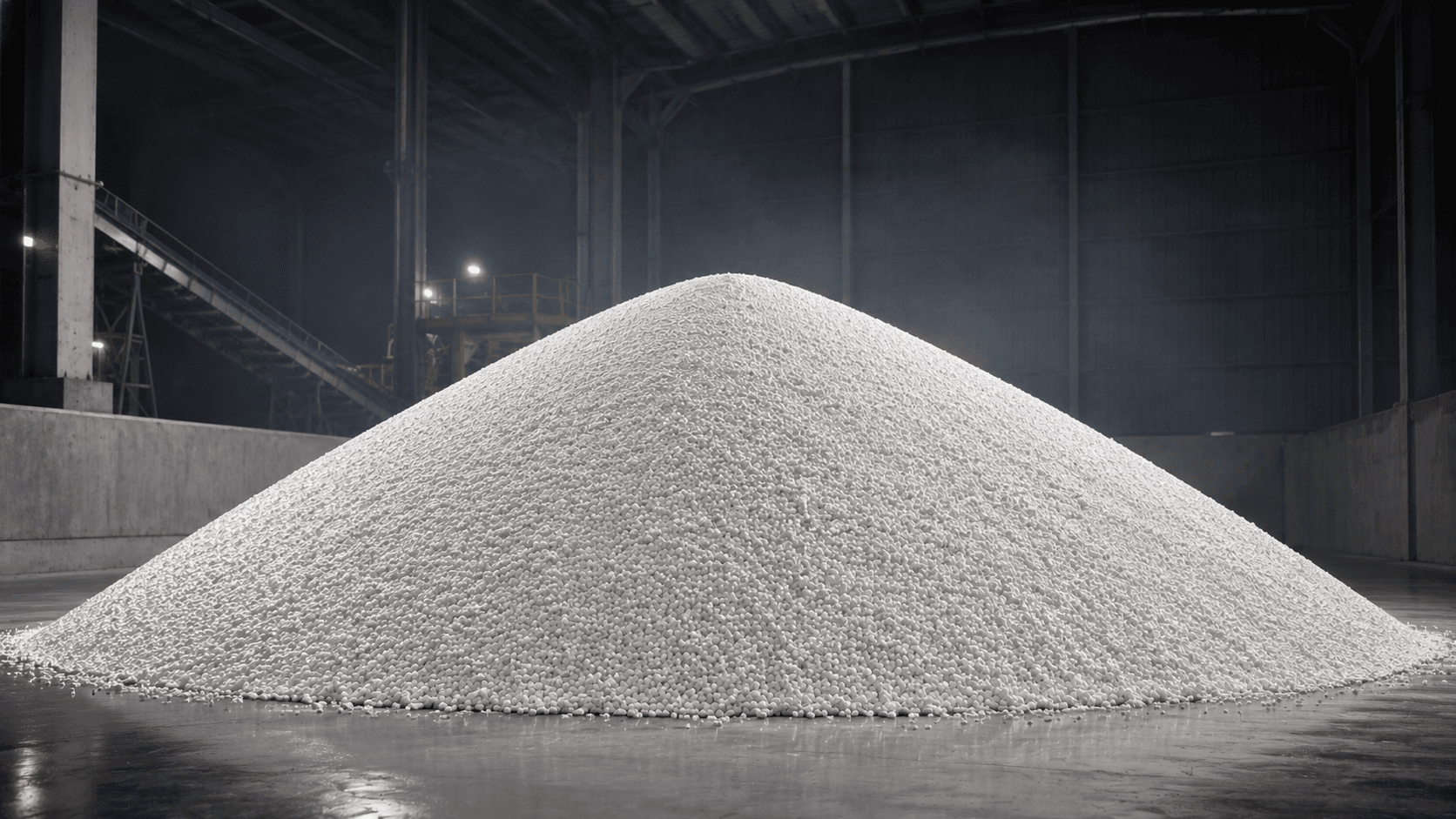
China's decision to withhold urea and phosphate exports until August is tightening nitrogen chemical supply and creating new pressure across ammonia-linked petrochemical pricing. Buyers and traders now face a more complex sourcing environment as fertilizer trade restrictions influence broader chemical markets.
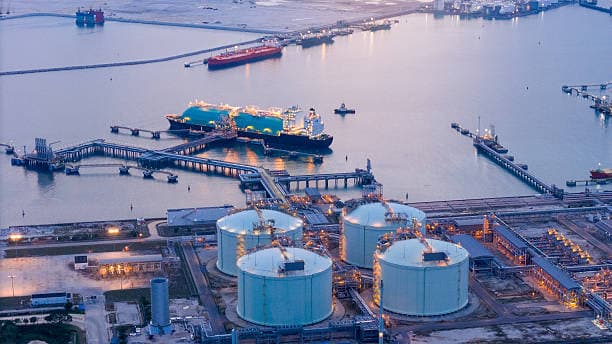
The recent persistence of DAP price strength underscores a tightening phosphate supply chain, heightened global fertilizer demand, and growing procurement risks for agriculture stakeholders. As phosphate trade remains constrained, buyers must reassess sourcing strategies amid volatile market conditions.
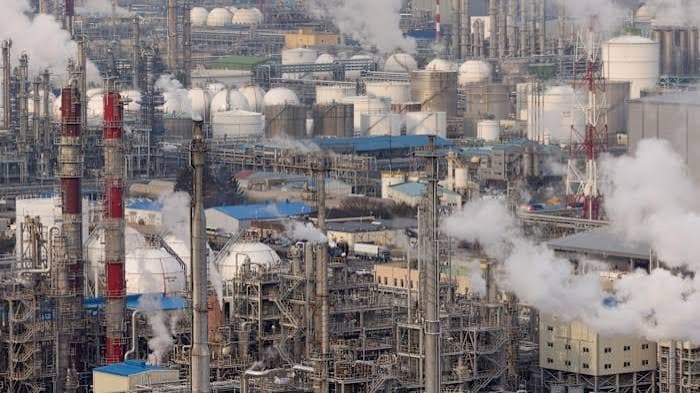
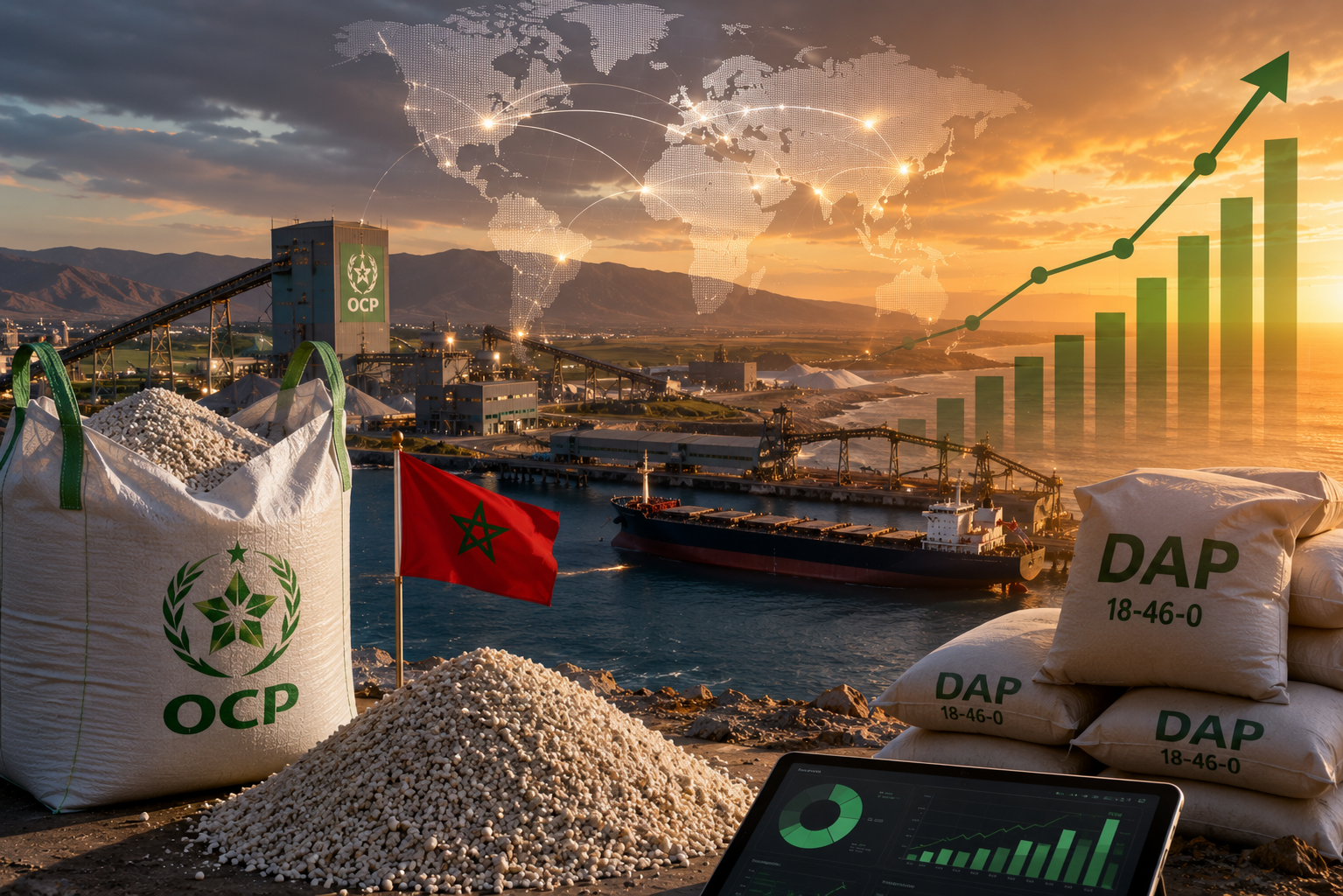
Morocco enters H2 2026 with OCP firmly established as one of the world's most strategically important fertilizer suppliers. The Hormuz disruption strengthened the company's role in global procurement, transforming its Atlantic export route into a long-term competitive advantage.
The 2026 Tupras fertilizer auctions highlight a fragmented regional pricing landscape while demonstrating the power of real‑time price discovery. This article delves into the auction mechanics, the impact of regional differences, and how floor pricing shapes Turkey’s phosphate market.
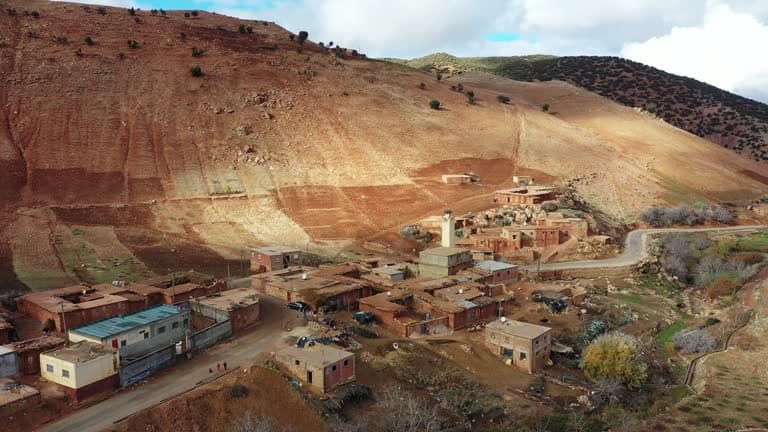
OCP Morocco’s July tender will determine the worldwide price benchmark for DAP and MAP fertilizers, shaping global supply dynamics for Q3 2026. The decision reflects rising phosphoric acid costs and a tightening phosphate market, offering buyers a clear reference point for future contracts.
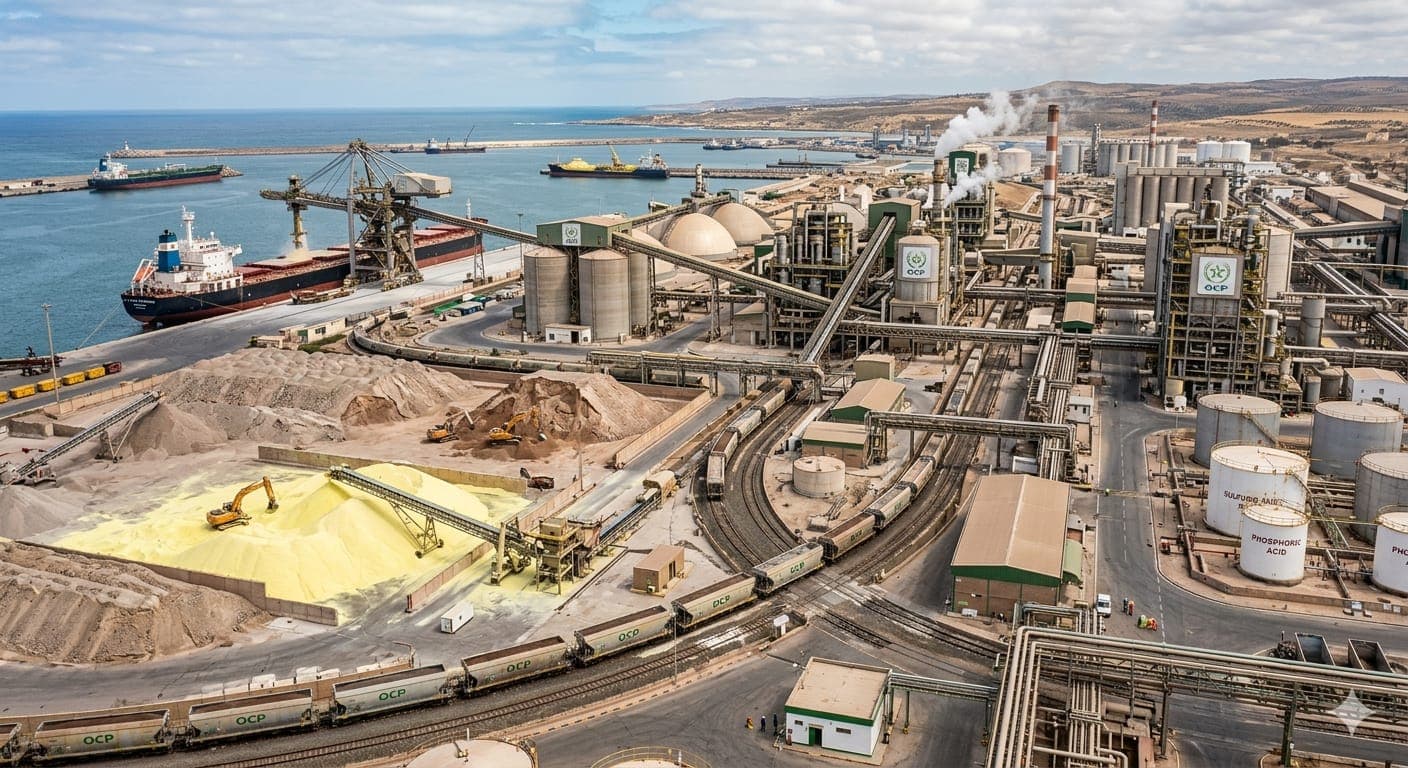
DAP prices surged in 2026 as Morocco's phosphate maintenance program collided with soaring sulfur costs and disrupted fertilizer supply chains. Buyers now face a market driven by feedstock inflation, shifting demand patterns and ongoing supply uncertainty.
We're committed to your privacy. Tradeasia uses the information you provide to us to contact you about our relevant content, products, and services. For more information, check out our privacy policy.
Contact us
Download Our Mobile App