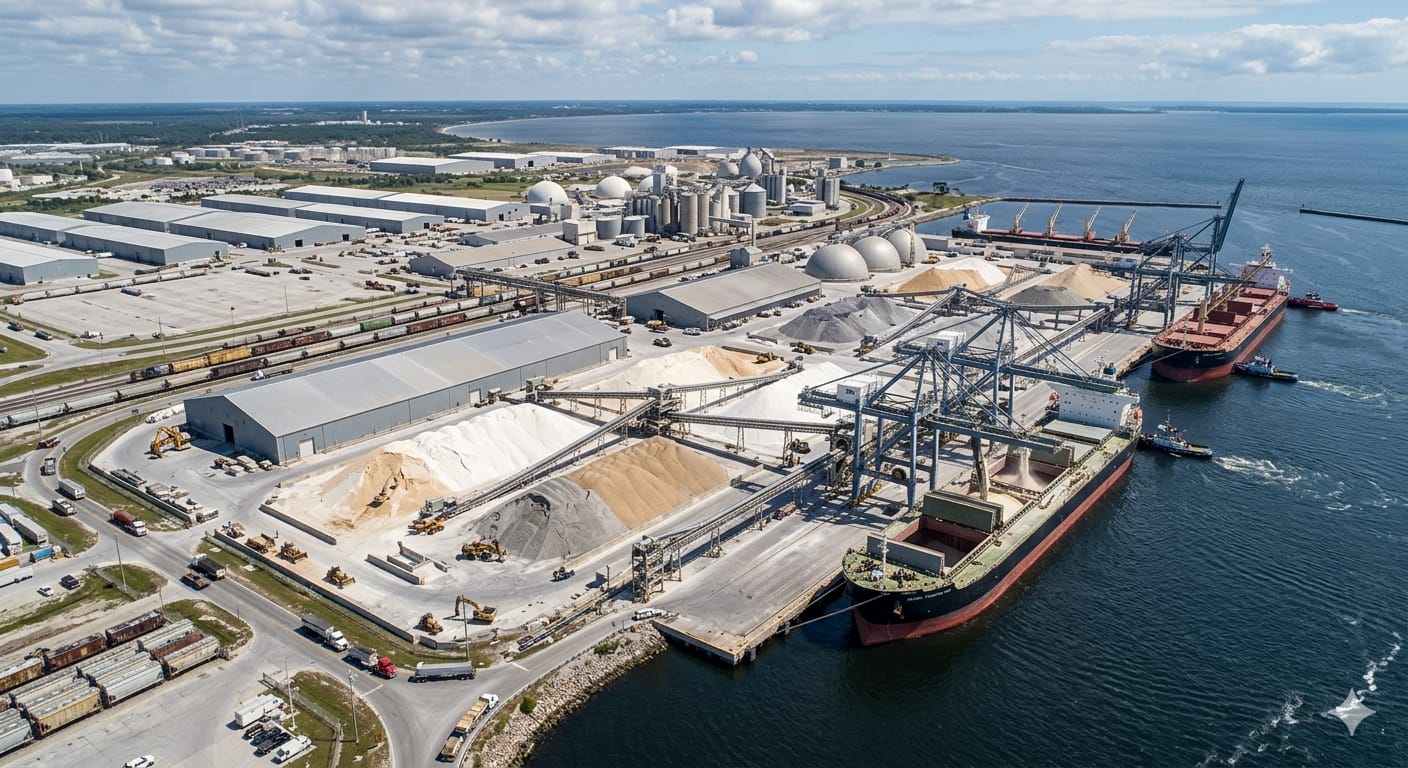
Diammonium Phosphate (Technical 18-46) - Morocco CAS: 7783-28-0
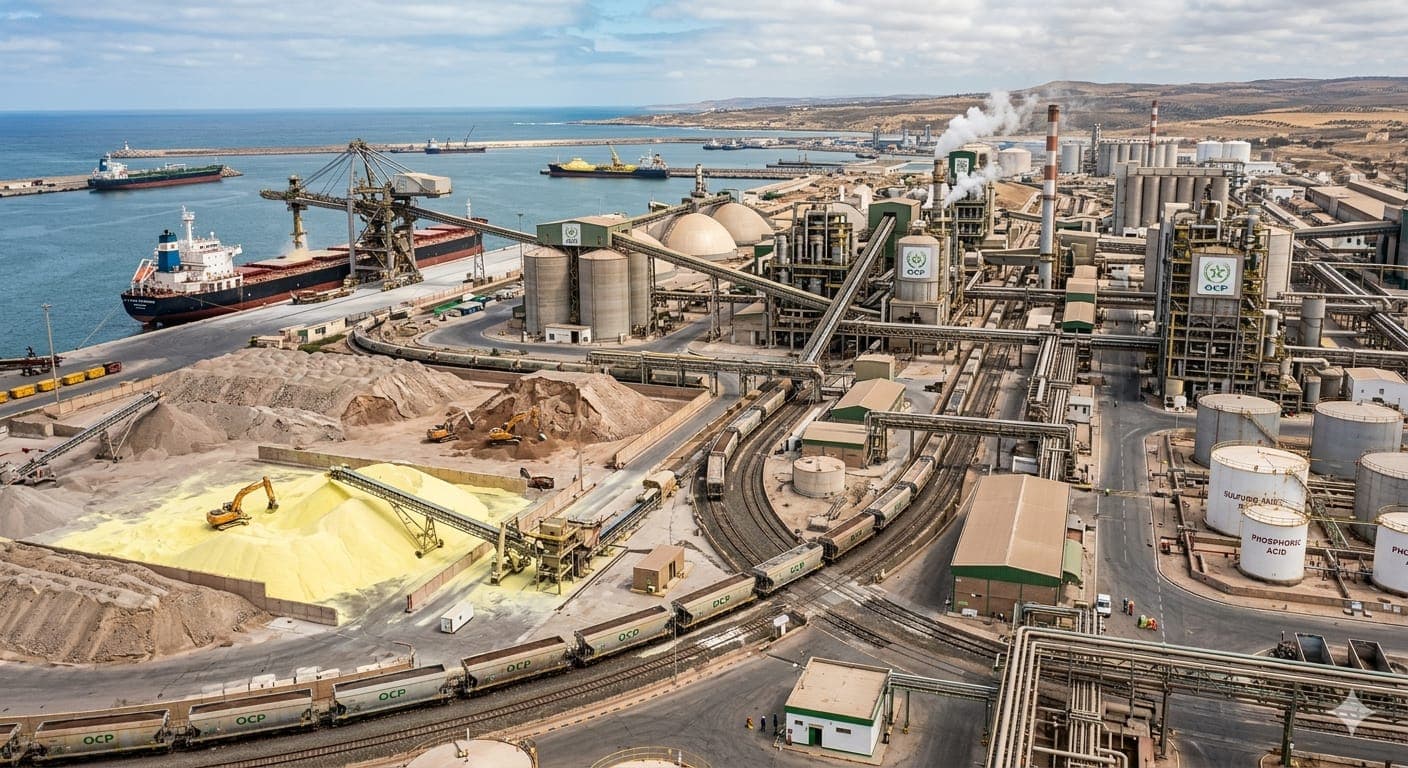
Diammonium Phosphate (Technical 18-46) - Morocco CAS: 7783-28-0
The recent persistence of DAP price strength underscores a tightening phosphate supply chain, heightened global fertilizer demand, and growing procurement risks for agriculture stakeholders. As phosphate trade remains constrained, buyers must reassess sourcing strategies amid volatile market conditions.
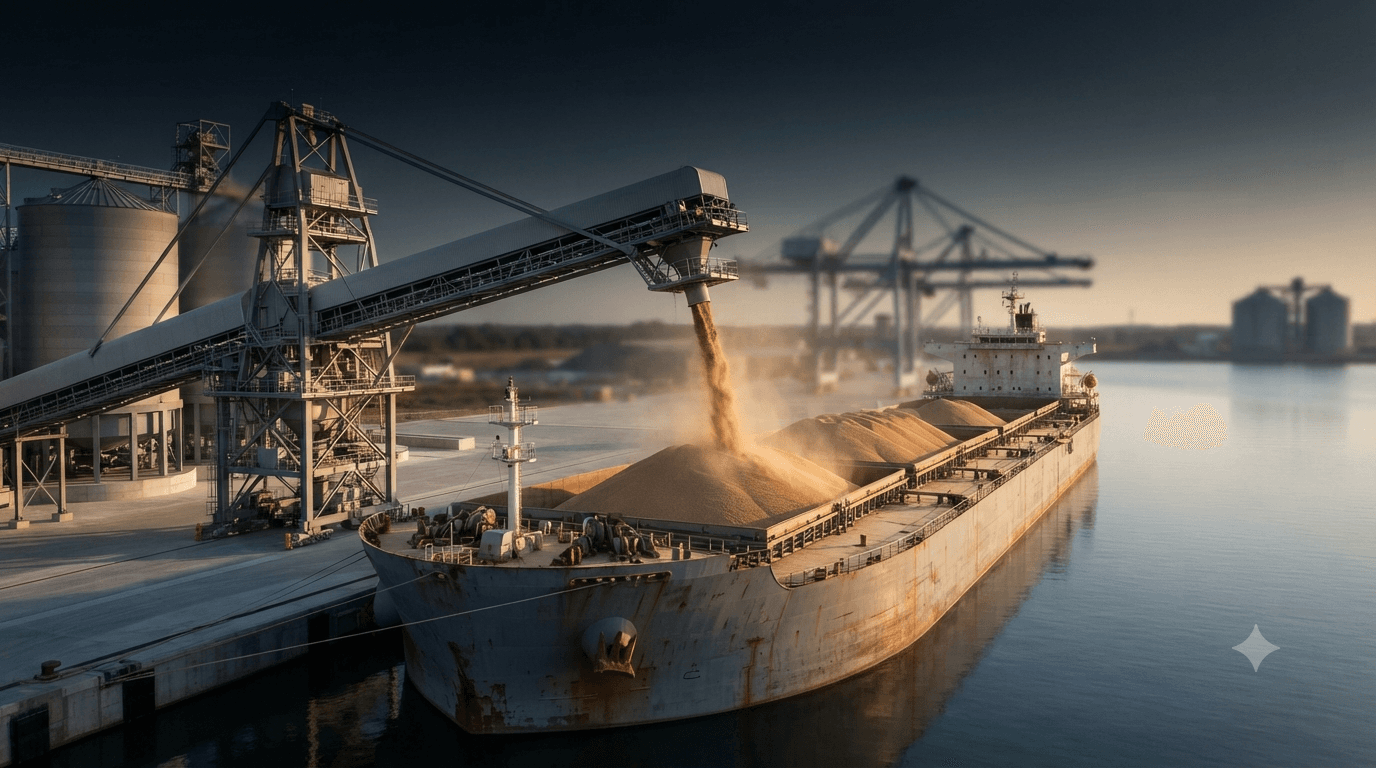
China’s decision to withhold phosphate exports until August is tightening the world’s most vital crop nutrient supply. The move is driving up fertilizer prices, raising crop input costs, and creating ripple effects across global food supply chains. Farmers and food companies must adapt to this new uncertainty.

Ongoing concerns over potential tariff actions on Canadian potash imports continue to influence US wholesale fertilizer prices. Procurement professionals should understand how trade policy uncertainty is affecting sourcing decisions, pricing and long-term supply planning.
Erythritol procurement has entered a new pricing phase as agricultural input costs influence fermentation feedstocks across global supply chains. Procurement teams that understand the connection between fertilizer markets, corn prices and glucose costs can build more resilient sourcing strategies for H2 2026.

China's expected easing of urea export restrictions could significantly influence global fertilizer markets during Q3 2026. Fertilizer buyers should evaluate procurement timing carefully as additional supply may reshape international pricing.
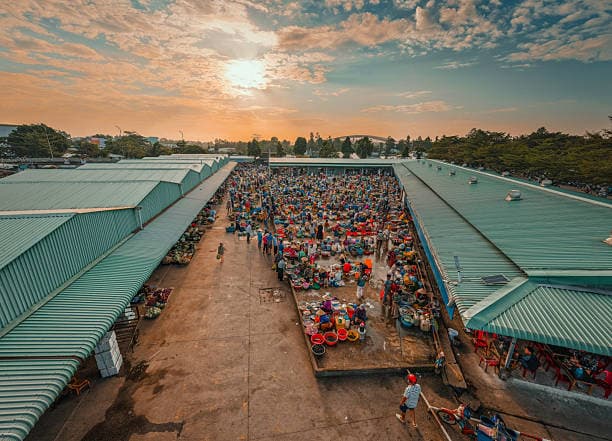
India’s DAP inventory climbed to 1.96 Mt in May 2026, creating a strategic buffer that could soften future import demand. This hidden stockpile may shift market dynamics, influencing phosphate fertilizer prices and supply chains.
We're committed to your privacy. Tradeasia uses the information you provide to us to contact you about our relevant content, products, and services. For more information, check out our privacy policy.
Contact us
Download Our Mobile App