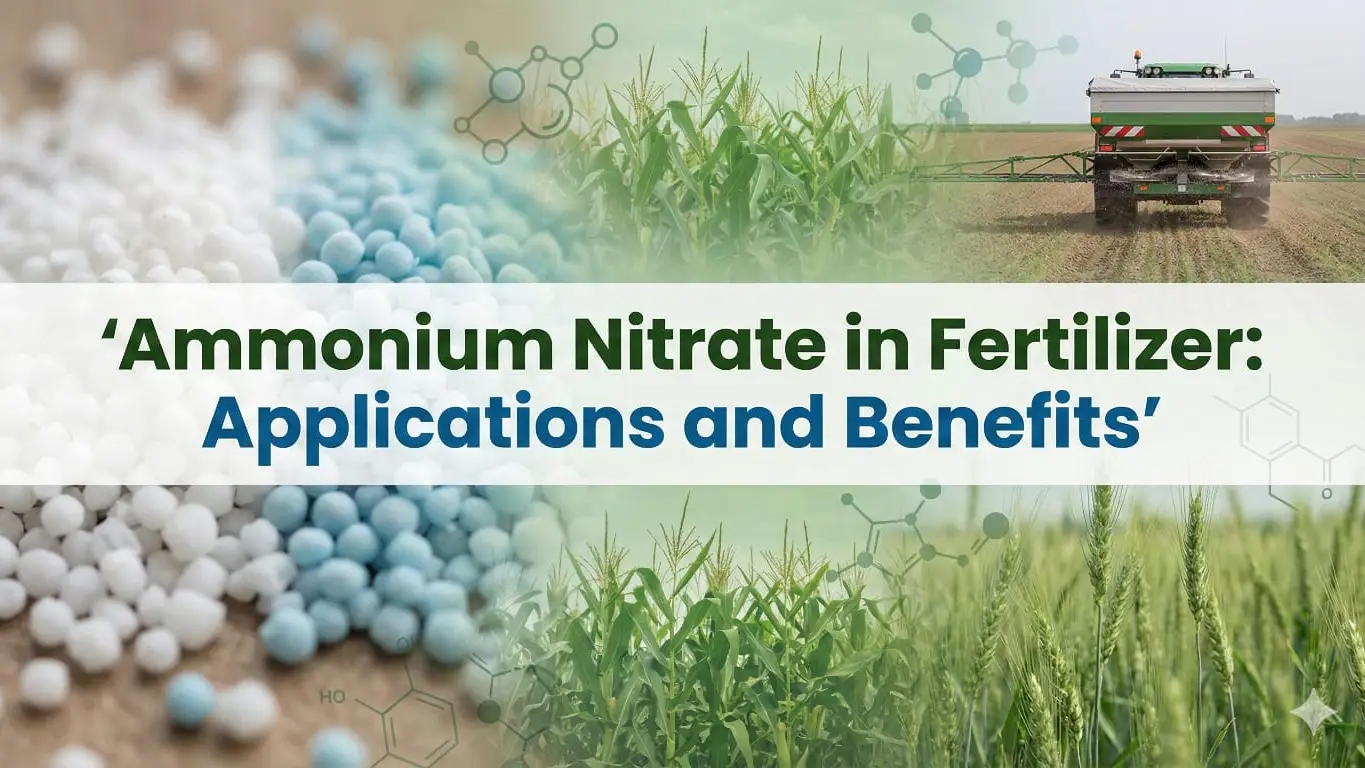

Nitrogen is one of the most important nutrients for crop growth, supporting leaf development, protein formation, and overall plant productivity. However, nitrogen fertilizers are not all the same. Different nitrogen products vary in nutrient concentration, physical form, handling requirements, application methods, and suitability for specific crops and farming systems.
For fertilizer procurement professionals, agrochemical distributors, and agricultural advisors, understanding these differences is essential for selecting the right product for each agronomic context. Treating all nitrogen fertilizers as interchangeable can lead to suboptimal crop performance, unnecessary nutrient losses, and inefficient sourcing decisions.
This article explains the chemistry, characteristics, and market applications of four major nitrogen fertilizer forms: urea, ammonium nitrate (AN), urea ammonium nitrate (UAN), and anhydrous ammonia.
Why Nitrogen Form Matters
Plants require nitrogen for several critical biological processes, including:
Chlorophyll production
Photosynthesis
Protein synthesis
Enzyme activity
Vegetative growth
The form in which nitrogen is supplied affects how quickly it becomes available to plants, how it moves in the soil, and how it should be applied.
Key factors influencing fertilizer selection include:
Nitrogen concentration
Soil type
Climate conditions
Crop nutrient demand
Application equipment
Timing of application
Risk of nitrogen loss
Urea: The Global Nitrogen Workhorse
Chemical Characteristics
Formula: CO(NH₂)₂
Nitrogen content: 46% N
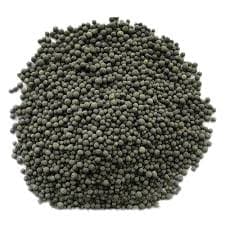
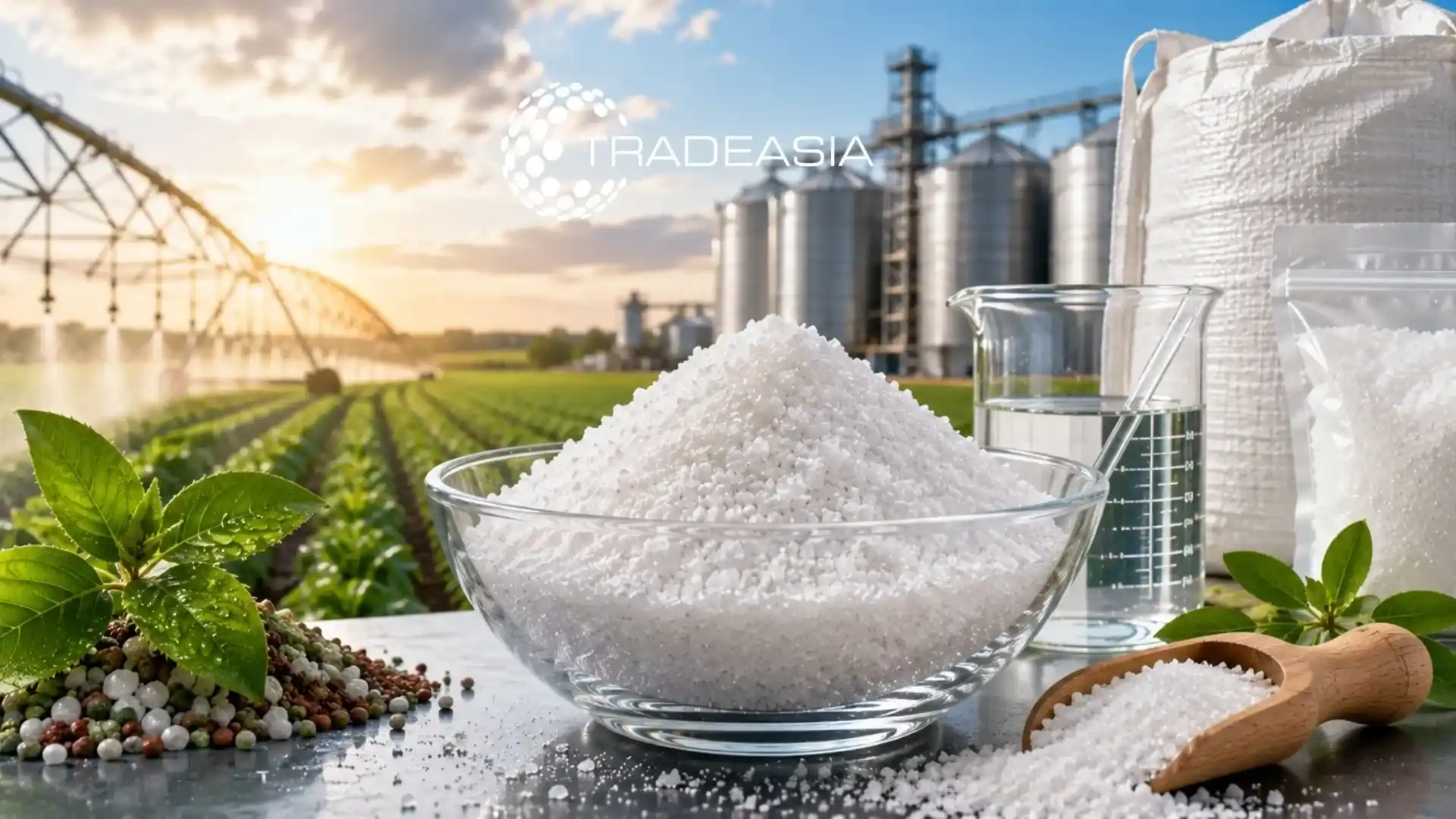
Physical form: Solid granules or prills
Urea is the most widely traded nitrogen fertilizer globally because of its high nitrogen concentration and relatively convenient handling characteristics.
Urea (Granular) - Egypt CAS: 57-13-6
Advantages
High nitrogen content reduces transportation costs per unit of nitrogen.
Suitable for a wide range of crops and soil conditions.
Easy to store, transport, and apply as a solid fertilizer.
Often competitively priced compared with other nitrogen sources.
Considerations
Urea can experience ammonia volatilization losses if left on the soil surface, especially in warm, moist, or alkaline conditions. Incorporating urea into the soil or applying it before rainfall can reduce these losses.
Common Uses
Broadacre crops
Rice cultivation
Wheat and maize production
General-purpose nitrogen fertilization
Ammonium Nitrate (AN): Balanced Nitrogen Availability
Chemical Characteristics
Formula: NH₄NO₃
Nitrogen content: 34% N
Physical form: Solid granules
Ammonium nitrate contains nitrogen in two forms: nitrate nitrogen, which is immediately available to plants, and ammonium nitrogen, which is converted more gradually in the soil.
Advantages
Provides both rapid and sustained nitrogen availability.
Lower volatilization risk compared with surface-applied urea.
Well suited for split nitrogen applications.
Effective in cooler climates where immediate nitrogen availability is important.
Considerations
AN has stricter handling and storage regulations in many regions because of its oxidizing properties and potential misuse concerns.
Common Uses
European cereal production
Pasture and forage crops
Crops requiring split nitrogen applications
Regions where rapid nitrogen uptake is important
Urea Ammonium Nitrate (UAN): Precision Liquid Nitrogen
Chemical Characteristics
Formula: A solution containing urea, ammonium nitrate, and water
Nitrogen content: Typically 28–32% N
Physical form: Liquid solution
UAN combines nitrogen from urea and ammonium nitrate in a liquid form, making it suitable for precision application systems.
Advantages
Can be applied through sprayers, injectors, and fertigation systems.
Allows precise placement and rate control.
Compatible with some crop protection products in tank mixes.
Reduces dust and handling issues associated with solid fertilizers.
Considerations
UAN requires appropriate liquid fertilizer storage and application equipment. Surface application may still result in volatilization losses under certain conditions.
Common Uses
Precision agriculture systems
Row crops such as corn and soybeans
Fertigation in irrigated agriculture
Large-scale commercial farming operations
Anhydrous Ammonia: The Most Concentrated Nitrogen Source
Chemical Characteristics
Formula: NH₃
Nitrogen content: 82% N
Physical form: Pressurized liquid that becomes gas when released
Anhydrous ammonia contains the highest nitrogen concentration of any common fertilizer, making it highly efficient from a nutrient concentration perspective.
Advantages
Highest nitrogen concentration reduces transportation and storage volume.
Cost-effective nitrogen source in regions with suitable infrastructure.
Rapidly available nitrogen when properly injected into the soil.
Considerations
Anhydrous ammonia requires specialized pressure tanks, injection equipment, and strict safety management. It must be injected into the soil to prevent ammonia loss and ensure safe application.
Common Uses
Large-scale row crop production
Corn production in North America
Regions with established ammonia application infrastructure
Comparing the Major Nitrogen Fertilizers
Fertilizer | Nitrogen Content | Form | Typical Use |
|---|---|---|---|
Urea | 46% N | Solid | General-purpose nitrogen fertilizer |
Ammonium nitrate | 34% N | Solid | Split applications, cooler climates |
UAN | 28–32% N | Liquid | Precision agriculture, fertigation |
Anhydrous ammonia | 82% N | Pressurized liquid | Large-scale row crop production |
Choosing the Right Nitrogen Fertilizer
Selecting the appropriate nitrogen fertilizer depends on several agronomic and operational factors:
Crop Requirements
Different crops have varying nitrogen uptake patterns and timing requirements.
Soil Conditions
Soil texture, pH, moisture, and organic matter influence nitrogen availability and loss potential.
Climate
Temperature and rainfall affect volatilization, leaching, and nitrogen transformation in the soil.
Application Equipment
Available equipment determines whether solid, liquid, or gaseous nitrogen products are practical.
Economic Considerations
Procurement professionals should compare products based on delivered nitrogen cost, application efficiency, and expected crop response.

Implications for Procurement Professionals
Understanding nitrogen fertilizer chemistry helps procurement teams:
Source products appropriate for regional farming practices.
Advise distributors and farmers on suitable nitrogen forms.
Evaluate supplier offerings beyond price alone.
Match fertilizer products to crop, climate, and equipment requirements.
Improve customer service through agronomic knowledge.
A well-informed procurement strategy considers both market availability and the practical needs of end users.
Key Takeaways
Urea (46% N) is the most widely traded nitrogen fertilizer and is valued for its high nitrogen concentration and broad applicability.
Ammonium nitrate (34% N) provides both immediate nitrate nitrogen and slower-release ammonium nitrogen, making it useful for split applications.
UAN (28–32% N) is a liquid nitrogen fertilizer suited to precision application and fertigation systems.
Anhydrous ammonia (82% N) is the most concentrated nitrogen fertilizer but requires specialized equipment and careful safety management.
Nitrogen fertilizers should be selected based on crop needs, soil conditions, climate, application equipment, and nutrient management goals.