Potassium is one of the three primary nutrients required for healthy crop growth. It plays a vital role in water regulation, enzyme activation, photosynthesis, disease resistance, and overall crop quality. Although all potassium fertilizers supply this essential nutrient, they are not interchangeable.
The three most common commercial potassium fertilizers—Muriate of Potash (MOP), Sulphate of Potash (SOP), and Langbeinite—differ significantly in their chemical composition, nutrient profile, and agronomic applications. One of the most important differences is the presence or absence of chloride, which can affect crop performance depending on the crop species and growing conditions.
For fertilizer procurement professionals and agrochemical distributors, understanding these differences is essential for recommending the right product, selecting reliable suppliers, and meeting the needs of different agricultural markets.
Why Potassium Is Essential
Potassium supports numerous plant functions, including:
Water regulation
Enzyme activation
Photosynthesis
Root development
Disease resistance
Drought tolerance
Fruit quality
Crop yield
Unlike nitrogen and phosphorus, potassium does not become part of the plant's structural components but is critical for regulating many physiological processes.
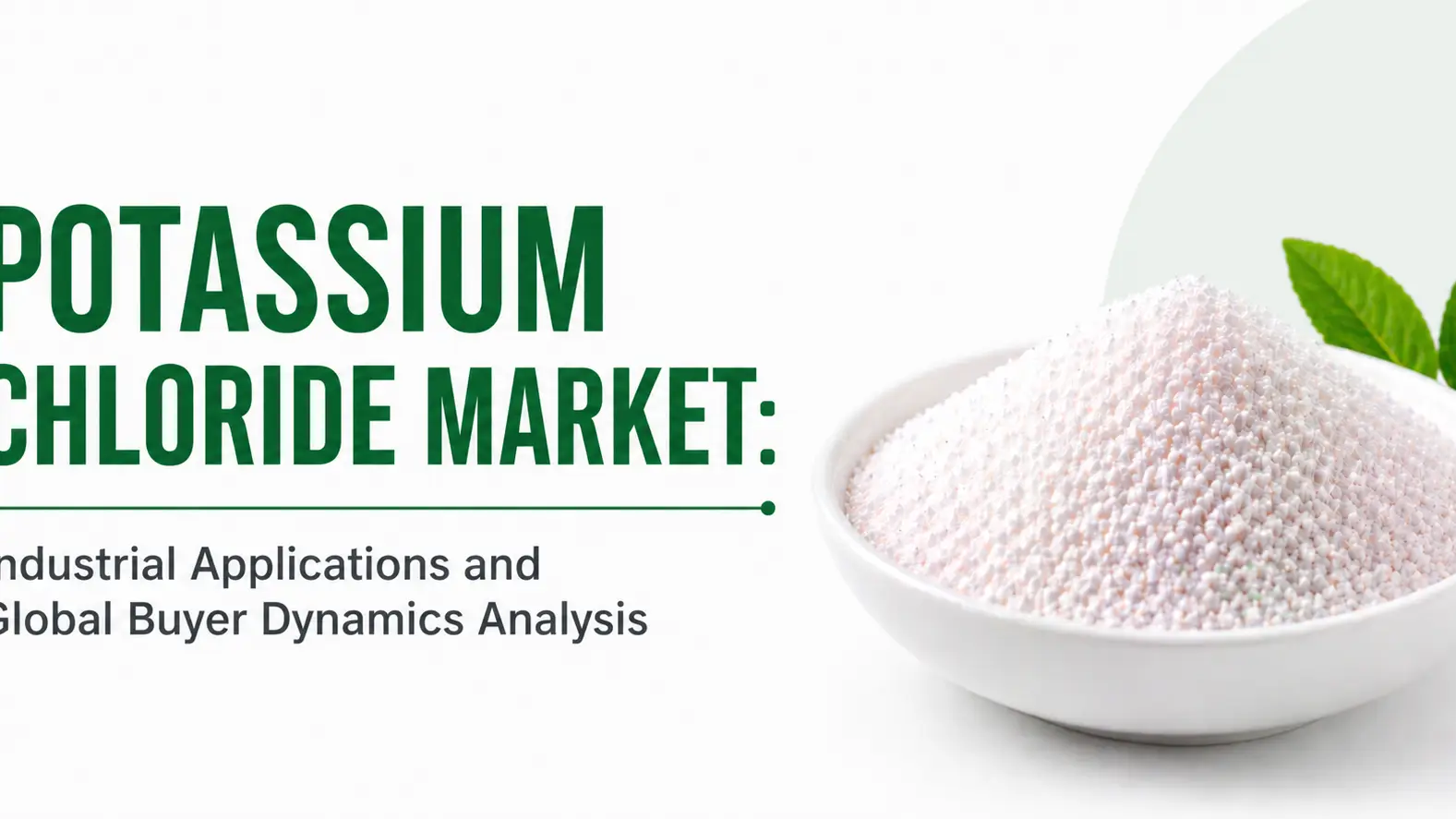
Potassium Chloride CAS: 7447-40-7
Why Fertilizer Form Matters
Although potassium fertilizers all provide potassium (K), they differ in:
Nutrient composition
Chloride content
Sulphur availability
Magnesium content
Crop suitability
Soil compatibility
Production methods
Cost
Selecting the appropriate fertilizer depends on crop requirements, soil conditions, irrigation practices, and market objectives.
Muriate of Potash (MOP)
Chemical Characteristics
Chemical formula: Potassium Chloride (KCl)
Primary nutrient: Potassium
Common nutrient analysis: Approximately 60–62% K₂O equivalent
MOP is the most widely used potassium fertilizer globally, accounting for roughly 95% of international potash trade.
Advantages
High potassium concentration
Cost-effective nutrient source
Widely available worldwide
Suitable for most field crops
Easy to transport and store
Because of its affordability and broad availability, MOP remains the standard potassium fertilizer for large-scale agriculture.
Best Applications
MOP is commonly used for:
Wheat
Corn
Rice
Soybeans
Sugarcane
Oilseed crops
Many cereal and grain production systems
The Role of Chloride
The defining characteristic of MOP is its chloride content.
Many crops tolerate chloride without significant issues. However, excessive chloride can affect certain sensitive crops by influencing product quality, storage characteristics, or plant performance under specific growing conditions.
Whether chloride becomes a concern depends on several factors:
Crop species
Soil drainage
Irrigation quality
Climate
Fertilizer application rates
Sulphate of Potash (SOP)
Chemical Characteristics
Chemical formula: Potassium Sulphate (K₂SO₄)
Primary nutrients: Potassium and sulphur
Contains no chloride
SOP provides potassium without introducing chloride into the soil while also supplying sulphur, another essential plant nutrient.
Advantages
Chloride-free potassium source
Supplies sulphur for crop nutrition
Suitable for sensitive crops
Supports high-quality fruit and vegetable production
Often preferred in intensive horticulture
Best Applications
SOP is commonly recommended for:
Tobacco
Potatoes
Grapes
Citrus
Berries
Vegetables
Tree fruits
Greenhouse crops
These crops often benefit from chloride-free fertilization programs.
How SOP Is Produced
Commercial SOP is produced through two primary routes:
Chemical Conversion
Potassium chloride is chemically converted into potassium sulphate using industrial processing methods.
Natural Mineral Sources
Some SOP is produced directly from naturally occurring sulphate-rich mineral deposits.
Both production routes aim to provide a high-purity, chloride-free potassium fertilizer.
Langbeinite
Chemical Characteristics
Chemical formula: K₂SO₄·2MgSO₄
Primary nutrients:
Potassium
Magnesium
Sulphur
Langbeinite is a naturally occurring mineral fertilizer that delivers three essential nutrients in one product.
Advantages
Supplies potassium, sulphur, and magnesium simultaneously
Naturally occurring mineral
Chloride-free
Suitable where magnesium deficiencies occur
Supports balanced crop nutrition
Best Applications
Langbeinite is frequently used for:
Fruit production
Vegetable crops
Specialty crops
Magnesium-deficient soils
High-value horticultural systems
Comparing the Major Potassium Fertilizers
Fertilizer | Potassium Source | Contains Chloride? | Additional Nutrients | Typical Applications |
|---|---|---|---|---|
MOP | Potassium chloride | Yes | None | Broadacre crops, cereals, oilseeds |
SOP | Potassium sulphate | No | Sulphur | Fruits, vegetables, potatoes, tobacco |
Langbeinite | Natural mineral | No | Sulphur, Magnesium | Specialty crops, horticulture, magnesium-deficient soils |
Choosing the Right Potassium Fertilizer
Several factors influence fertilizer selection.
Crop Sensitivity
Chloride-sensitive crops generally benefit from chloride-free potassium sources such as SOP or Langbeinite.
Soil Conditions
Soil texture, drainage, and existing nutrient levels influence potassium fertilizer performance.
Nutrient Requirements
Some production systems require additional sulphur or magnesium, making multi-nutrient fertilizers attractive.
Economic Considerations
MOP is generally more economical for chloride-tolerant crops, while SOP and Langbeinite often command premium prices due to their specialized applications.
Market Requirements
High-value horticultural crops frequently justify investment in premium potassium fertilizers because of their quality requirements.
Procurement Considerations
Procurement professionals should evaluate suppliers based on more than price.
Important considerations include:
Product quality
Nutrient analysis
Crop suitability
Supply reliability
Origin of raw materials
Regulatory compliance
Storage characteristics
Customer requirements
Matching fertilizer type to end-user needs helps improve customer satisfaction and agronomic performance.
Long-Term Outlook
Global demand for potassium fertilizers is expected to remain strong as agricultural producers focus on improving crop yields, product quality, and nutrient efficiency. While MOP will likely continue to dominate global potash consumption because of its cost-effectiveness and widespread availability, demand for SOP and Langbeinite is expected to remain important in high-value horticulture and specialty crop production where chloride sensitivity and balanced nutrition are key considerations.
For procurement professionals, understanding the differences between potassium fertilizer forms enables better sourcing decisions, stronger supplier evaluations, and more effective support for growers with diverse agronomic needs.
Key Takeaways
MOP (Potassium Chloride) is the most widely traded potassium fertilizer and is suitable for most chloride-tolerant crops.
SOP (Potassium Sulphate) supplies potassium and sulphur without chloride, making it ideal for chloride-sensitive crops.
Langbeinite is a naturally occurring mineral that provides potassium, sulphur, and magnesium in a single chloride-free product.
Crop type, soil conditions, nutrient requirements, and chloride sensitivity should guide potassium fertilizer selection.
Procurement teams should evaluate fertilizer products based on agronomic suitability, nutrient composition, quality, and supplier reliability—not just cost.