Iran's Weekend Vessel Interceptions Threaten Even Escorted Fertilizer Cargo
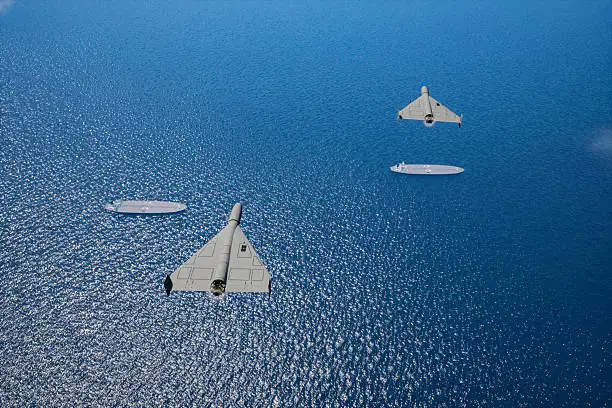
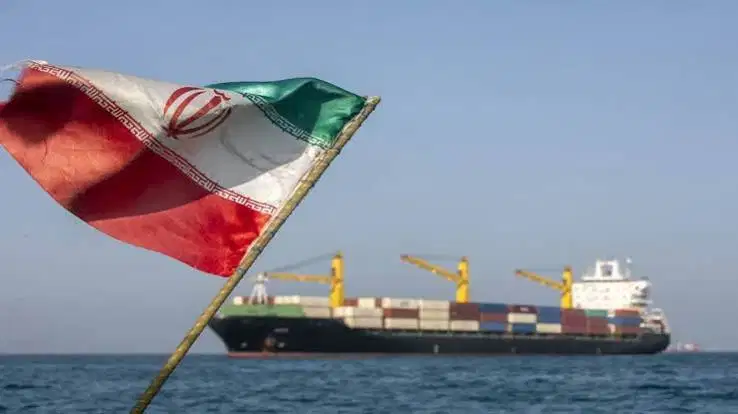
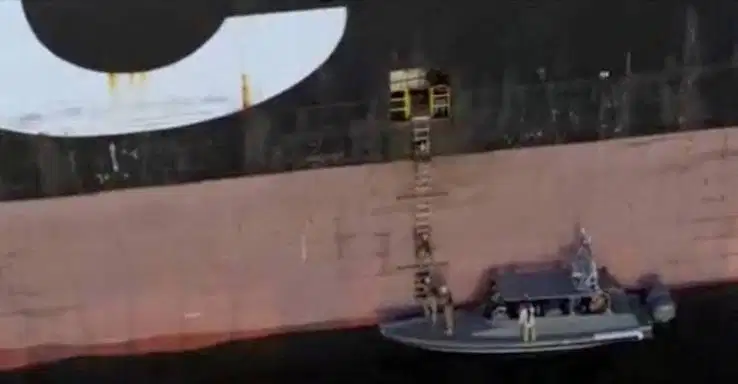
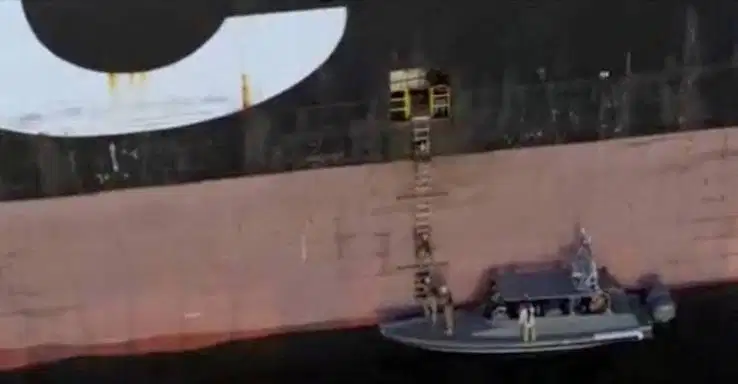
Iran announced the interception of four vessels transiting the Strait of Hormuz over the weekend, sending a strong signal that even escorted or commercial shipping faces heightened risks. This latest development further complicates fertilizer cargo movements through one of the world’s most critical maritime chokepoints.
Iran's Weekend Vessel Interceptions Threaten Even Escorted Fertilizer Cargo
The interceptions come at a time when many shippers were already operating with extreme caution due to ongoing tensions. The fact that multiple vessels were targeted over a single weekend demonstrates the elevated threat level and raises serious questions about the safety of any transit through the strait.
Implications for Fertilizer Shipping
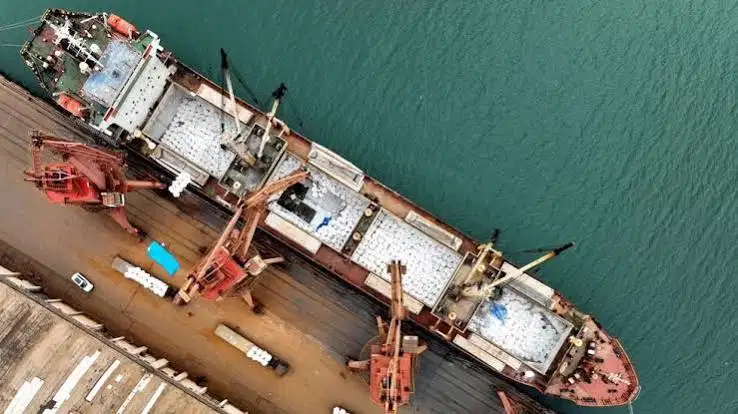
Fertilizer products, including urea, ammonia, and phosphates originating from or passing near the Gulf, are heavily dependent on secure passage through Hormuz. With Iran actively intercepting vessels, even those under escort, the risk profile for these cargoes has increased dramatically. Shipping companies are likely to demand substantially higher fees or refuse certain transits altogether.
This situation is forcing a rapid reassessment of logistics strategies. Many traders are now prioritizing alternative origins or preparing for significantly longer routing around Africa, both of which add considerable cost and time to deliveries.
Broader Market Effects
The psychological impact of these interceptions is almost as important as the physical disruptions. Market participants are pricing in greater uncertainty, leading to firmer spot prices and wider risk premiums in forward contracts. Importers in Asia, Latin America, and Europe, who rely on timely Gulf-origin material, are particularly concerned about potential shortages or sharp price increases in the coming weeks.
The willingness of Iran to target vessels over the weekend suggests that commercial shipping — even when not directly linked to military activity — is now viewed as fair game in the escalating conflict. This raises the stakes for the entire maritime industry operating in the region.
What Comes Next
Fertilizer buyers and traders are urged to accelerate diversification efforts and secure supply from non-Gulf sources where possible. For those still dependent on Gulf material, building buffer stocks and maintaining close communication with carriers will be essential risk mitigation steps.
The weekend’s events have removed any remaining illusion of safe passage through the Strait of Hormuz in the current environment. As long as tensions remain high, fertilizer shipping will continue to carry both elevated costs and substantial physical risks.