Iran Intercepts Four Vessels Over the Weekend: What It Means for Commodity Cargo Insurance
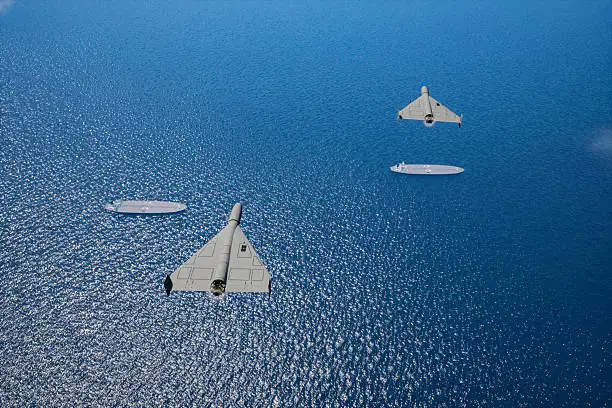
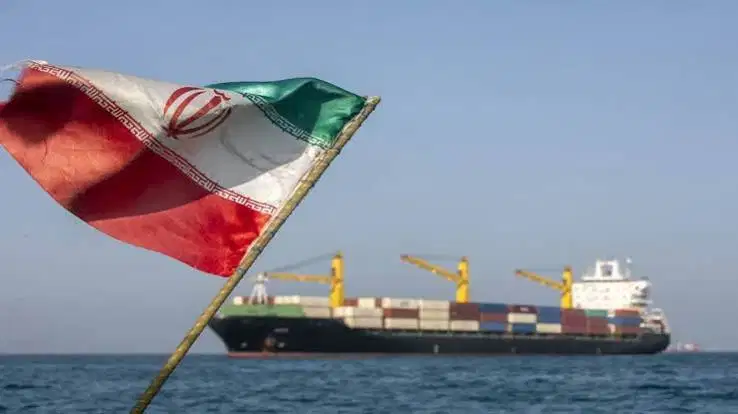
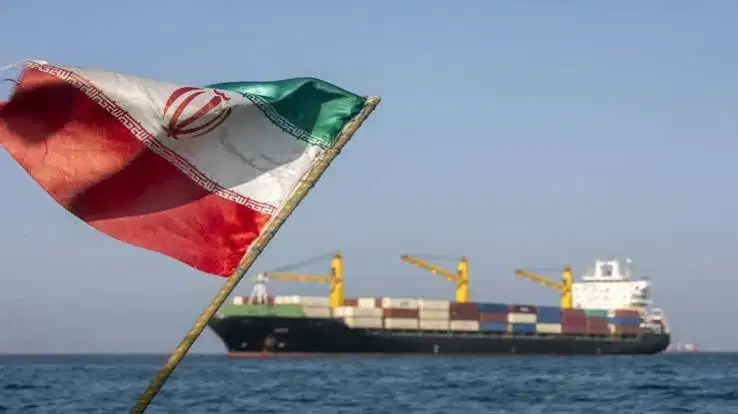
Iran reported the interception of four vessels transiting the Strait of Hormuz over the weekend. This escalation is complicating war-risk insurance pricing and availability for commodity cargoes, including those linked to the fertilizer and energy sectors.
Iran Intercepts Four Vessels Over the Weekend: What It Means for Commodity Cargo Insurance
The weekend incidents demonstrate Iran’s willingness to take direct action against commercial shipping in the strait. This development is forcing insurers and shipping companies to rapidly reassess risk levels for vessels operating in or near the Persian Gulf.
Impact on War-Risk Insurance
Insurers are expected to respond with higher premiums, stricter terms, and potentially reduced coverage availability for Hormuz transits. Even vessels with enhanced security measures may face significantly elevated costs. For commodity traders, this translates directly into higher delivered prices for cargoes originating from or passing through the Gulf.
The psychological impact is equally important. The repeated nature of these interceptions is eroding confidence in the safety of the route, making it harder for carriers to secure vessels and crews willing to make the transit.
Specific Implications for Fertilizer Cargoes
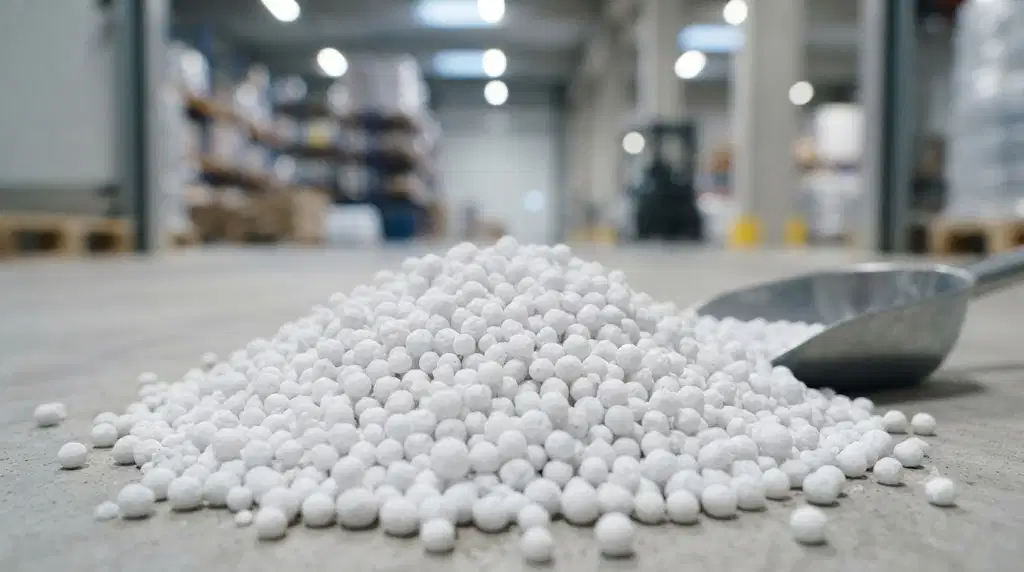
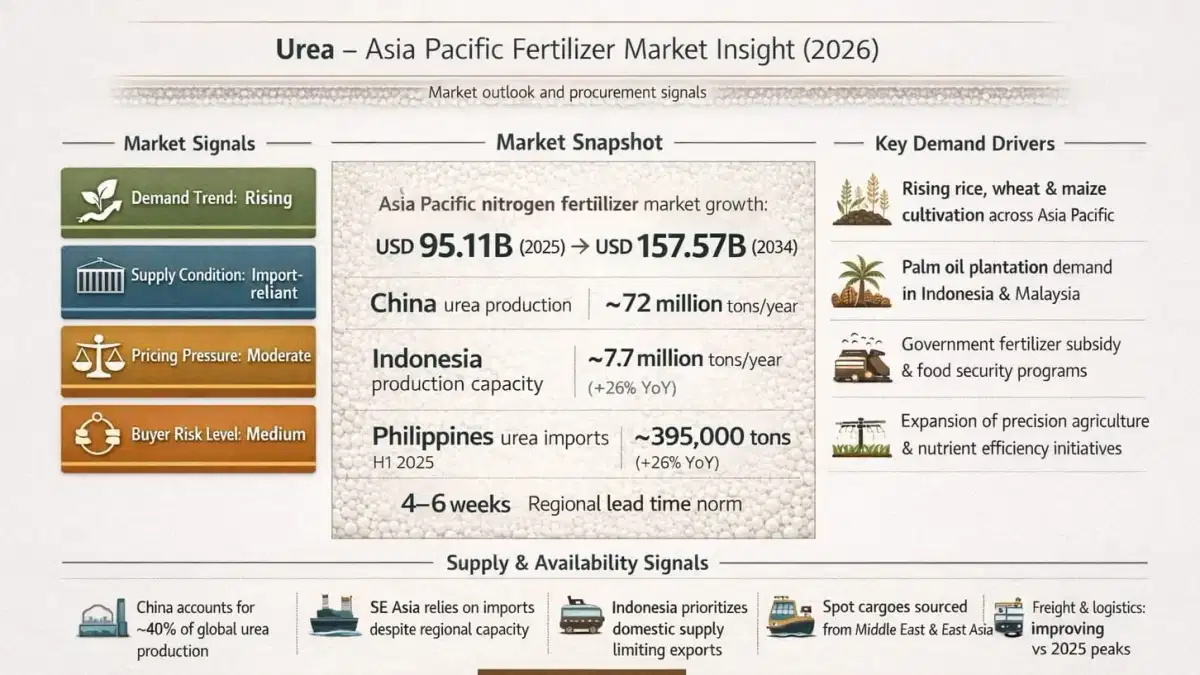
Fertilizer products such as urea, ammonia, and phosphates are heavily dependent on secure passage through these waters. Higher insurance costs will add to the already elevated logistics expenses, further pressuring global prices. Buyers in Asia, Latin America, and Europe, who rely on Gulf-origin material, are likely to see these costs passed down the supply chain.
Broader Commodity Market Effects
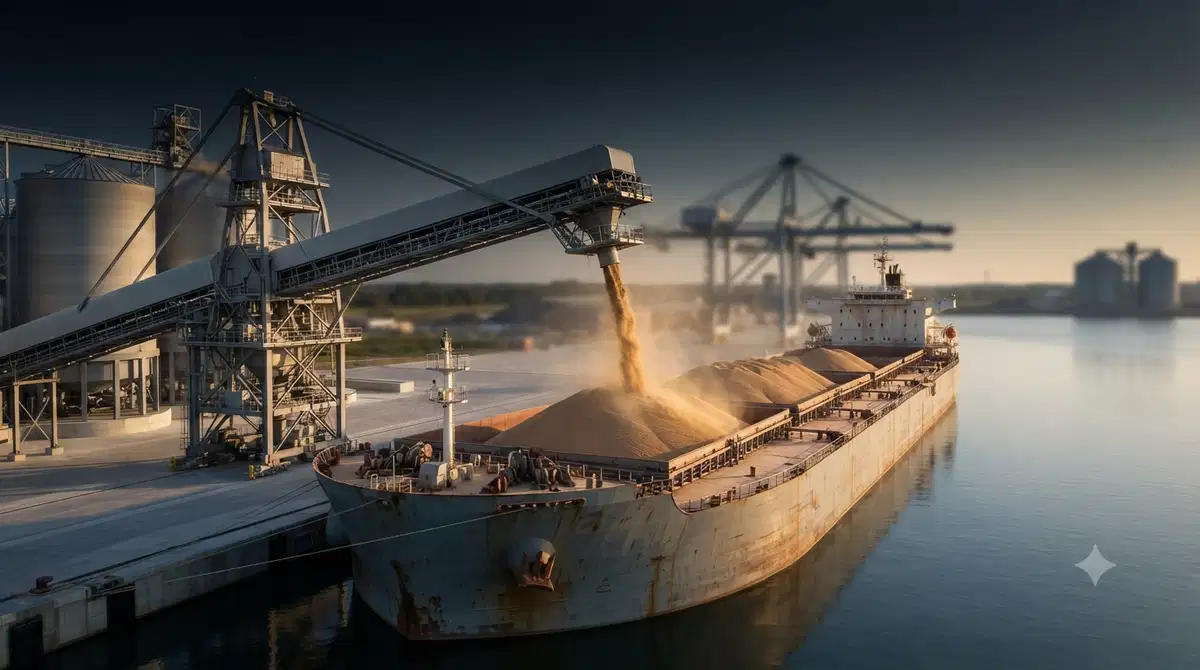
The insurance market reaction is not limited to fertilizers. Oil, petrochemicals, and other bulk commodities face similar pressures. This could lead to:
Wider adoption of longer alternative routes around Africa
Increased use of “dark fleet” practices (transponders off) to avoid attention
Greater emphasis on cargo diversification and inventory building
Stronger price volatility across energy and agricultural input markets
What Buyers and Traders Should Do
Review current insurance arrangements and prepare for potential premium increases
Explore multi-origin sourcing strategies to reduce exposure
Build additional buffer stocks where storage economics allow
Maintain close communication with logistics providers for real-time risk updates
Outlook
The weekend interceptions mark another escalation in the maritime dimension of the conflict. As long as such incidents continue, war-risk insurance for commodity cargoes in the Gulf will remain expensive and uncertain. The fertilizer industry, already navigating multiple supply challenges, must treat elevated insurance costs as a structural feature of the current environment rather than a temporary spike.
This situation further underscores the urgent need for greater supply chain resilience and geographic diversification in global commodity trade.