Dicalcium Phosphate CAS: 7757-93-9

Dicalcium Phosphate CAS: 7757-93-9

China's expected easing of urea export restrictions could significantly influence global fertilizer markets during Q3 2026. Fertilizer buyers should evaluate procurement timing carefully as additional supply may reshape international pricing.
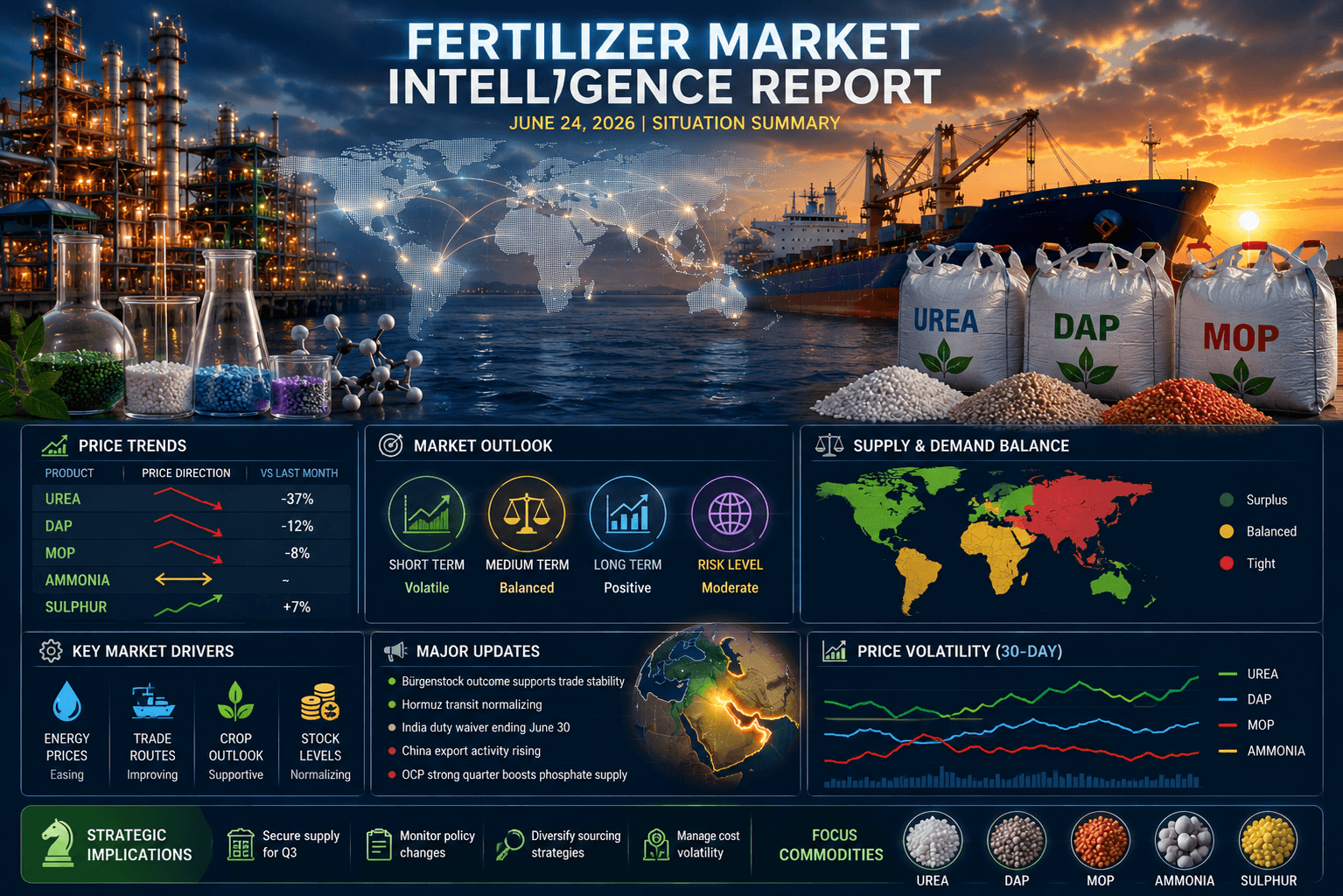
Global fertilizer markets are stabilizing after months of disruption, but June 2026 remains a critical procurement window. Urea prices are down 36%, ammonia exports may restart in July, and fertilizer buyers must navigate supply recovery, policy deadlines, and pricing uncertainty.

QAFCO and SABIC have restarted ammonia export operations to the Gulf, signaling a rebound in regional supply that will shape 2026 market dynamics. The move opens new sourcing options for fertilizer producers and industrial buyers, while influencing global ammonia prices and feedstock availability. Below we explore the implications for the market, pricing trends, and the broader fertilizer sector.
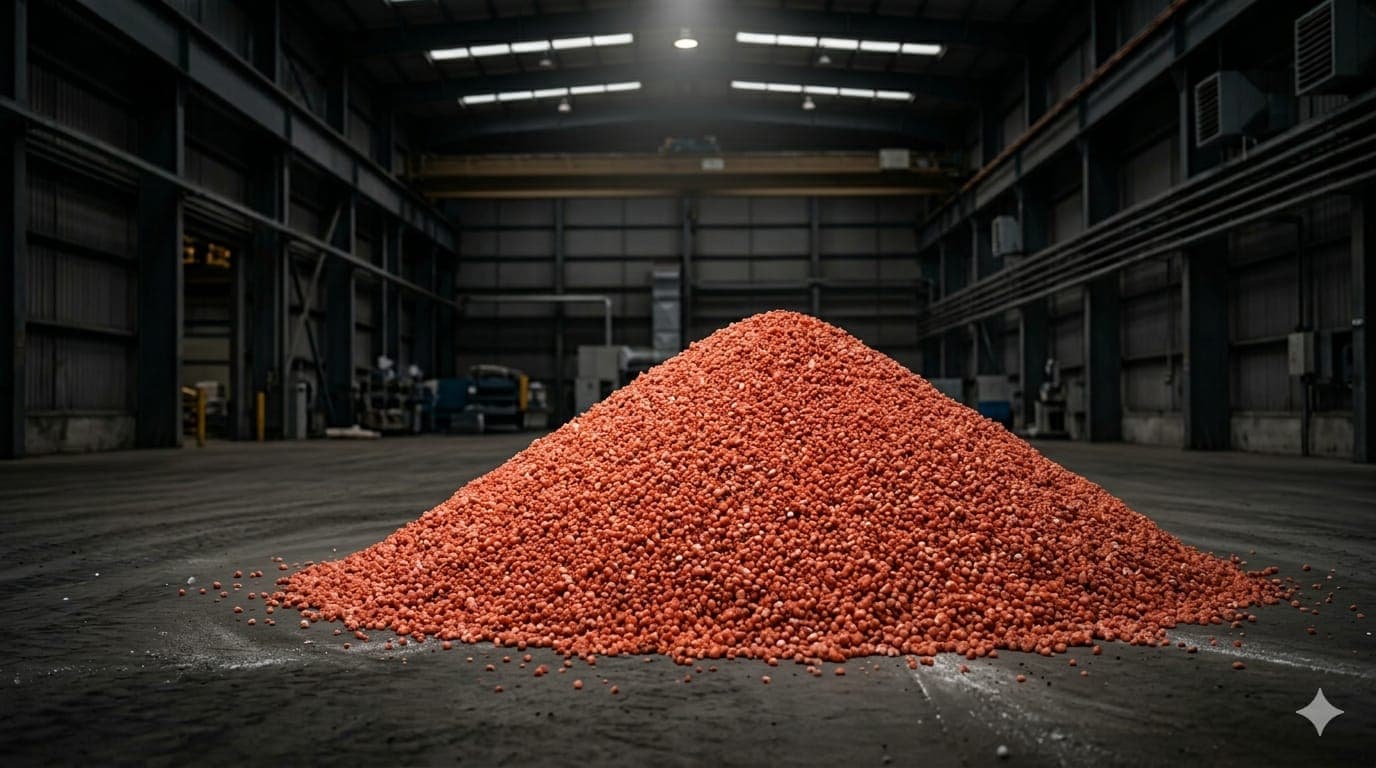
While nitrogen and phosphate fertilizers experienced severe volatility in 2026, the potash market has remained comparatively stable. Rising exports from Belarus, Russia, Canada and Laos are helping create a supply buffer despite broader disruptions across global fertilizer trade
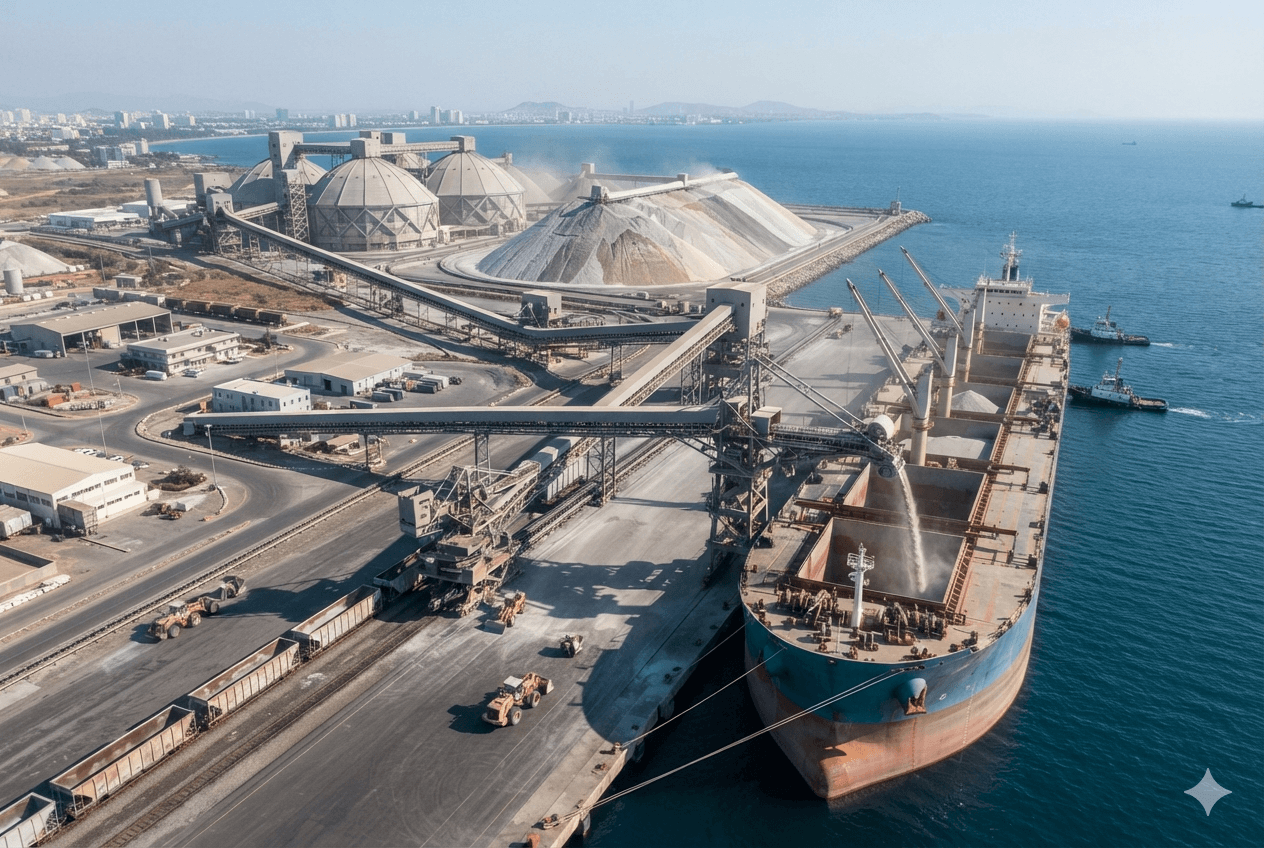
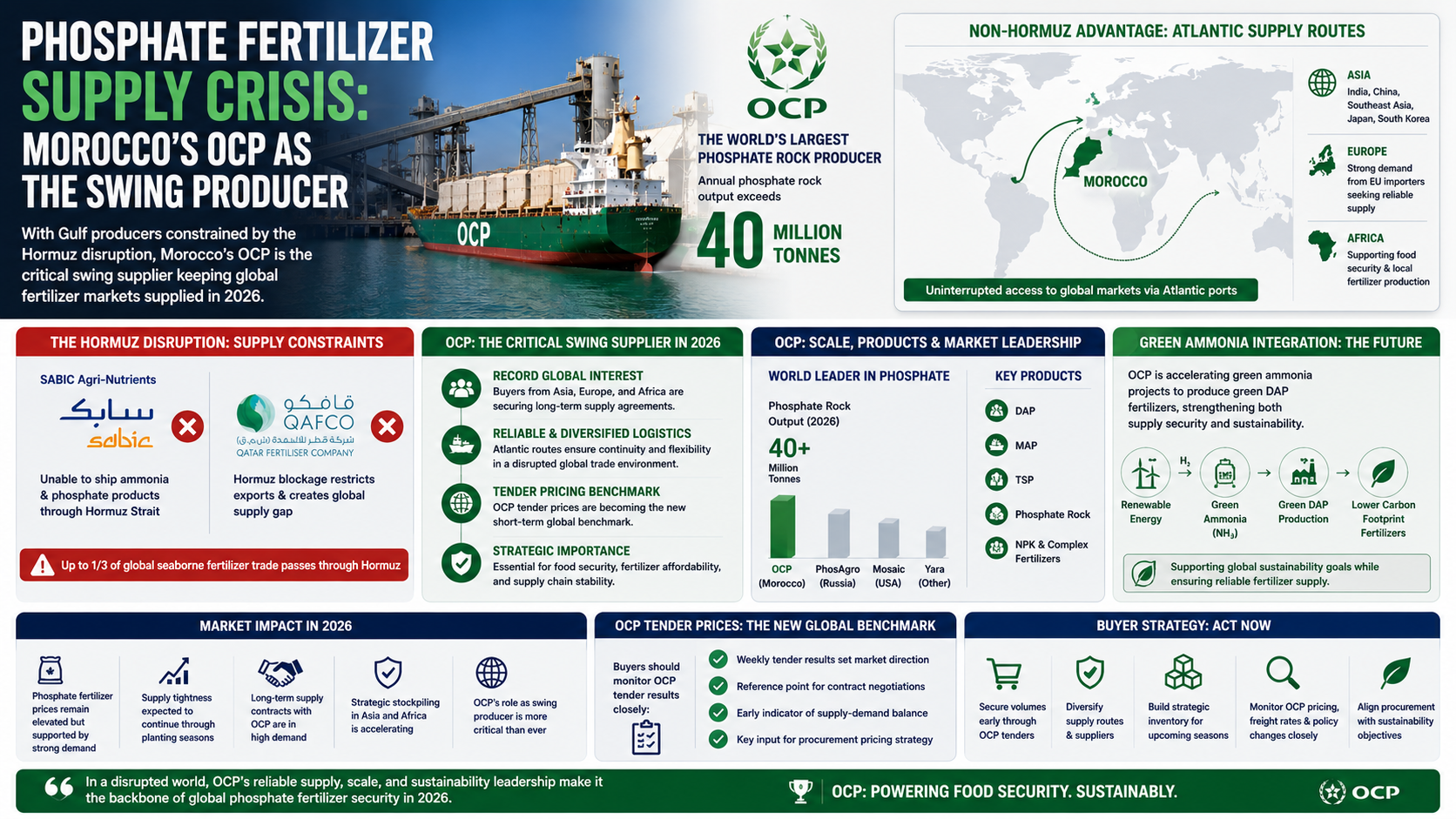
OCP Morocco's accelerated maintenance program has created temporary supply constraints in the global phosphate market. Buyers of rock phosphate, phosphoric acid and downstream phosphate fertilizers face increased procurement risks as availability tightens across key export channels.

QatarEnergy's suspension of LNG, ammonia and urea production has created one of the most significant disruptions to global nitrogen fertilizer markets in years. Even after shipping routes normalize, analysts expect fertilizer exports from the region to require up to 18 months to fully recover.
We're committed to your privacy. Tradeasia uses the information you provide to us to contact you about our relevant content, products, and services. For more information, check out our privacy policy.