Cape of Good Hope Reroutes Add 2,700 Miles: The Hidden Commodity Freight Cost
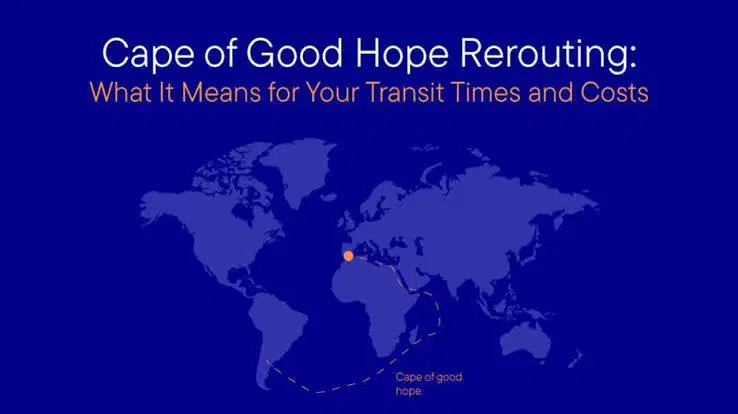
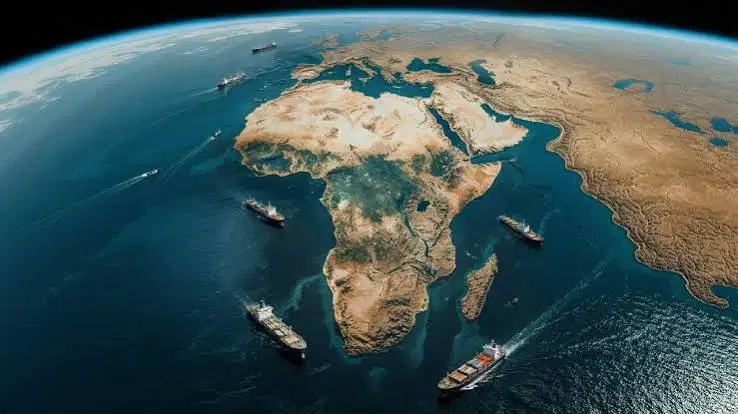
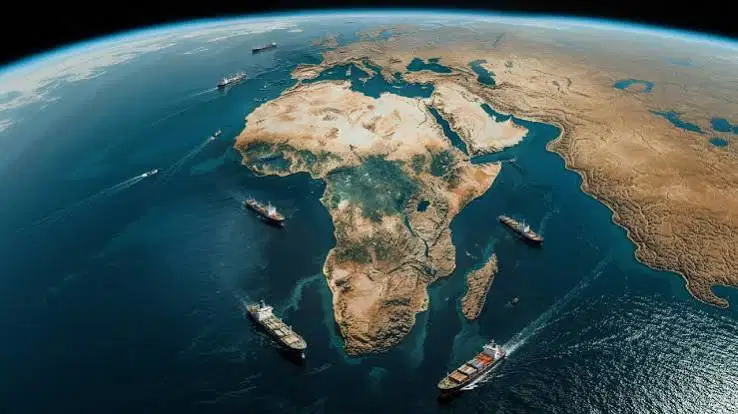
A potential full closure of the Bab el-Mandeb Strait would force vessels to reroute around the Cape of Good Hope, adding approximately 2,700 miles to journeys from Saudi Arabia to the United States. This significant detour is driving up landed costs for commodities, including fertilizers and their feedstocks.
Cape of Good Hope Reroutes Add 2,700 Miles: The Hidden Commodity Freight Cost
The extra distance is not just a matter of miles — it translates into substantially higher fuel consumption, longer transit times, and increased operational expenses. For bulk commodities like urea, ammonia, and phosphates, these added costs can meaningfully impact final delivered prices.
Breaking Down the Added Costs
Rerouting around Africa dramatically extends voyage duration, often by 10–14 days or more depending on the origin and destination. This leads to:
Higher bunker fuel consumption
Increased crew and vessel operating expenses
Greater exposure to weather risks on longer journeys
Reduced vessel utilization as ships spend more time at sea
For fertilizer buyers, these factors compound with already elevated war-risk insurance premiums, creating a double burden on logistics costs.
Impact on Fertilizer Markets
Saudi and other Gulf-origin phosphates and nitrogen products become significantly more expensive when forced onto the Cape route. This disadvantages them relative to suppliers in North America, Russia, or North Africa who face shorter or less disrupted routes to key markets.
Importers in the United States, Europe, and parts of Latin America are particularly exposed. The added freight costs can quickly erode the traditional price advantage of Gulf material, forcing buyers to seek alternatives or accept higher landed prices.
Strategic Adjustments Being Made
Many traders and importers are already adapting their strategies:
Prioritizing suppliers with more secure and shorter shipping routes
Building larger buffer inventories to account for longer lead times
Negotiating contracts with flexible freight terms or cost-sharing mechanisms
Exploring overland or multimodal logistics options where feasible
Longer-Term Implications
Frequent reliance on the Cape of Good Hope route could lead to structural changes in global commodity trade patterns. Ports and logistics infrastructure in Southern Africa may see increased activity, while traditional chokepoint-dependent routes lose some of their dominance.
For the fertilizer industry, this reinforces the importance of geographic diversification and investment in supply chain resilience. The hidden freight cost of rerouting is no longer a theoretical risk — it is an active and expensive reality for many market participants.