Explore our network of country and industry based websites to access localized information, product offerings, and business services across our group.
Log in to start sending quotation requests for any product.
Don't have an account? Sign Up Here
Home MAP Fertilizer: Asia's Fastest-Growing Phosphate in 2026
Trade Insights | Applications and Buyers | 09 April 2026
Introduction
Understanding Monoammonium Phosphate (MAP): The Product
The Driving Forces Behind MAP's Surge in Asia
Key Applications and Agronomic Benefits of MAP
Sourcing Quality MAP Fertilizer in Asia: A Buyer's Guide
Conclusion
The agricultural landscape of Asia is undergoing a profound transformation. Driven by the dual pressures of a growing population and shrinking arable land, the quest for higher crop productivity and nutrient efficiency has never been more critical. In this high-stakes environment, one fertilizer segment is poised for exceptional growth: Monoammonium Phosphate (MAP). Projections for 2026 indicate that MAP will be the fastest-growing phosphate fertilizer segment across the continent, outpacing other forms like DAP (Diammonium Phosphate) and SSP (Single Superphosphate).
This surge is not accidental but a calculated response to the region's specific agronomic and economic needs. From the vast rice paddies of Southeast Asia to the wheat belts of South Asia, farmers and agribusinesses are increasingly turning to MAP fertilizer for its superior performance in challenging soil conditions and its compatibility with modern precision farming techniques. This article delves into the market dynamics, product specifics, and key drivers making MAP the cornerstone of Asia's future agricultural strategy, while also providing guidance on navigating the supply chain through platforms like chemtradeasia.com and fertradeasia.com.
Monoammonium Phosphate (MAP), with the chemical formula NH4H2PO4, is a highly concentrated, water-soluble source of two essential primary nutrients: phosphorus (P) and nitrogen (N). Typically, it contains about 11-12% nitrogen and 52-61% phosphorus pentoxide (P2O5), with common grades being 11-52-0 or 12-61-0. This high analysis means farmers need to apply less physical product per hectare to meet crop nutrient demands, reducing logistics and handling costs—a significant advantage in remote agricultural regions.
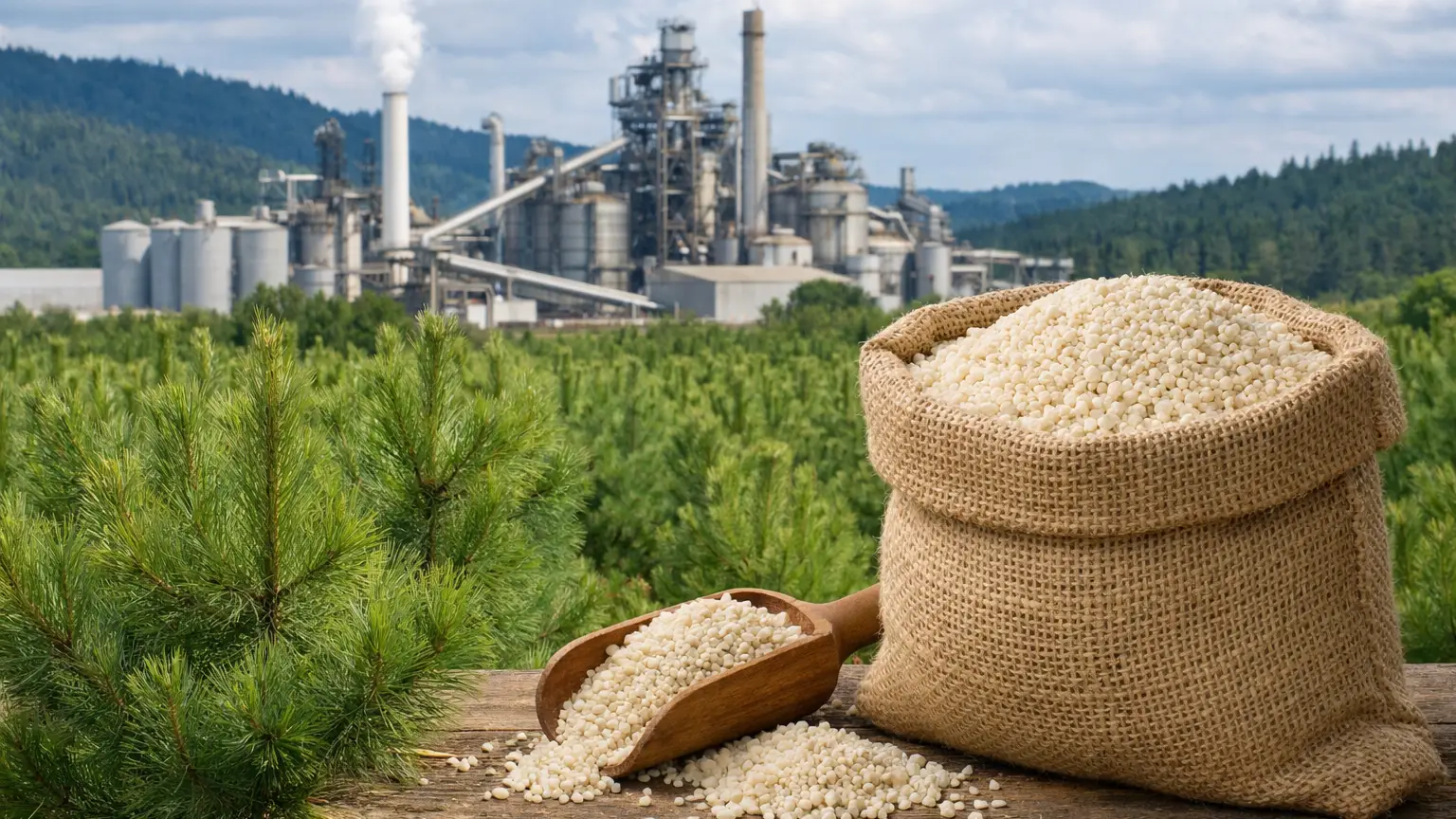
Physically, MAP is often manufactured as gray or white granules that are free-flowing and have good storage properties. A key differentiator from DAP is its lower pH. When dissolved in soil solution, MAP creates a mildly acidic environment around the granule. This characteristic is crucial for Asian soils, many of which are alkaline or calcareous. In such soils, traditional phosphorus fertilizers can rapidly react with calcium to form insoluble compounds, locking away the nutrient from plant roots. The acidic microenvironment of MAP fertilizer helps to keep phosphorus in a more plant-available form for a longer period, enhancing the efficiency of the applied nutrient.
This product is versatile in its application methods. It can be broadcast, banded at planting (a highly efficient method), or used as a base fertilizer in blending operations to create customized NPK formulations. Its high nutrient concentration and physical stability make it an ideal raw material for the compound fertilizer industry, which is also expanding rapidly across Asia to meet diverse crop-specific needs.
The forecasted dominance of Monoammonium Phosphate in the Asian phosphate market is underpinned by several powerful, interconnected trends. Firstly, the intensification of agriculture demands higher-efficiency inputs. As farmers move from subsistence to commercial farming, the focus shifts from mere volume of fertilizer to its nutrient use efficiency (NUE). MAP's superior performance in alkaline soils, which are prevalent in countries like India, Pakistan, and parts of China, directly addresses a major yield-limiting factor, making it a preferred choice for agronomists.
Secondly, government policies are playing a pivotal role. Nations like India, through its Nutrient Based Subsidy (NBS) scheme, incentivize the use of high-analysis fertilizers to optimize subsidy expenditure and promote balanced nutrition. MAP, with its high P2O5 content, fits perfectly into this policy framework. Furthermore, the push for sustainable agriculture is encouraging practices like deep placement and fertigation, where MAP's solubility and compatibility are distinct advantages. The growth of protected cultivation and high-value cash crops, which require precise and readily available nutrition, is another significant driver favoring MAP fertilizer adoption.
Finally, supply chain dynamics and regional production capacities are evolving. Major producers are increasing their MAP output in response to market signals. For buyers, this creates both opportunity and complexity. Sourcing reliable, specification-grade MAP requires navigating a fragmented supplier landscape. This is where integrated B2B platforms like chemtradeasia.in for India, chemtradeasia.co.id for Indonesia, and chemtradeasia.ae for the Middle East gateway become invaluable, connecting verified manufacturers with bulk buyers across the continent.
The agronomic benefits of Monoammonium Phosphate translate directly into its widespread applications across Asia's staple and cash crops. Its primary benefit is the enhanced phosphorus availability in neutral to alkaline soils, leading to stronger root development, improved early-season vigor, and better flowering and fruit set. The readily available nitrogen (in the ammonium form) provides an immediate nutritional boost without the volatility losses associated with urea, supporting the plant's early growth stages.
In terms of specific applications, MAP fertilizer is extensively used as a starter fertilizer for crops like corn, wheat, and rice. Banding MAP near the seed at planting (pop-up fertilization) gives seedlings a critical early advantage. For horticultural crops—such as vegetables, fruits, and plantation crops like oil palm—MAP is often incorporated into the soil as a base dressing or applied through drip irrigation systems (fertigation) due to its high solubility and low clogging potential. Its role in the blended fertilizer industry cannot be overstated; it serves as the primary phosphorus source in countless customized NPK blends tailored for regional soil tests and crop requirements.
Comparing MAP to DAP highlights its situational superiority. While DAP has a higher nitrogen content (18%), its higher pH can lead to ammonia volatilization in warm, moist conditions and can exacerbate phosphorus fixation in calcareous soils. Therefore, in the vast alkaline tracts of South and West Asia, MAP often delivers better agronomic results per unit of phosphorus applied. This efficiency gain is a major reason for its projected market growth, as farmers seek to maximize return on investment in an era of high input costs.
For agribusinesses, cooperatives, and large-scale farmers, sourcing consistent, high-quality Monoammonium Phosphate is paramount to achieving the promised agronomic outcomes. The first step is to clearly define specifications. Key parameters to verify include nutrient content (N and P2O5 percentage), granule size (important for blending uniformity and application equipment), moisture content, and hardness to prevent dust formation during handling and transport. Reputable suppliers will provide a Certificate of Analysis (CoA) for each batch.
Navigating the Asian market requires an understanding of regional logistics and trade regulations. Sourcing from a major producer like China may offer cost advantages, but requires expertise in international shipping and import duties. Alternatively, leveraging regional hubs through platforms like chemtradeasia.sg (Singapore) can facilitate smoother trade finance and logistics. It is essential to partner with suppliers who have a proven track record and can ensure supply chain integrity from the plant to the farm gate.
This is where specialized B2B marketplaces add tremendous value. A platform like fertradeasia.com, dedicated to agricultural inputs, allows buyers to compare offerings from multiple vetted suppliers, access market intelligence on pricing trends, and streamline procurement processes. Whether sourcing a standard grade of MAP fertilizer or a specific granular size for a blending plant, using such a professional channel mitigates risk, ensures quality consistency, and provides a single point of contact for logistical and commercial negotiations across different Asian jurisdictions.
The trajectory is clear: Monoammonium Phosphate (MAP) is set to be the star performer in Asia's phosphate fertilizer market by 2026. Its rise is a direct function of its technical superiority in regionally prevalent soil conditions, alignment with national agricultural policies, and compatibility with modern, efficiency-driven farming systems. For stakeholders across the agricultural value chain—from manufacturers and traders to blenders and end-users—understanding this shift is crucial for strategic planning and maintaining competitiveness.
Embracing MAP technology means investing in higher crop productivity and more sustainable nutrient management. Success, however, hinges on accessing a reliable supply of quality product. By utilizing established procurement networks and digital platforms like the chemtradeasia domain family and fertradeasia.com, buyers can secure their supply lines and capitalize on the growth of this dynamic market segment. The future of Asian agriculture is leaning towards precision and efficiency, and MAP fertilizer is firmly at the forefront of this revolution.
Disclaimer: This article is for informational and market insight purposes only. It is not intended as technical, safety, or professional agronomic advice. The data and trends presented are based on market analysis and should be independently verified. For specific applications, safety handling, and precise technical specifications of Monoammonium Phosphate or any fertilizer product, readers must consult qualified agronomists, refer to official product documentation and Material Safety Data Sheets (MSDS/SDS), or contact our expert team for guidance tailored to your specific conditions and requirements.
We're committed to your privacy. Tradeasia uses the information you provide to us to contact you about our relevant content, products, and services. For more information, check out our privacy policy.


 English
 Indonesian
 简体字
简体字
 العربية
 Español
 Français
 Português
 日本語
日本語
 한국어
한국어
 Tiếng Việt




















