PFAS in Fertilizer: What EPA's New Biosolids Guidance Means for Crop Protection Supply Chains
The U.S. Environmental Protection Agency (EPA) released draft guidance in July 2026 addressing risks from PFOA and PFOS (two major PFAS compounds) in biosolids used as fertilizer. This guidance applies to biosolids applied across agricultural land, forests, tree farms, and turf farms, creating new implications for the entire crop protection and fertilizer supply chain.
PFAS in Fertilizer: What EPA's New Biosolids Guidance Means for Crop Protection Supply Chains
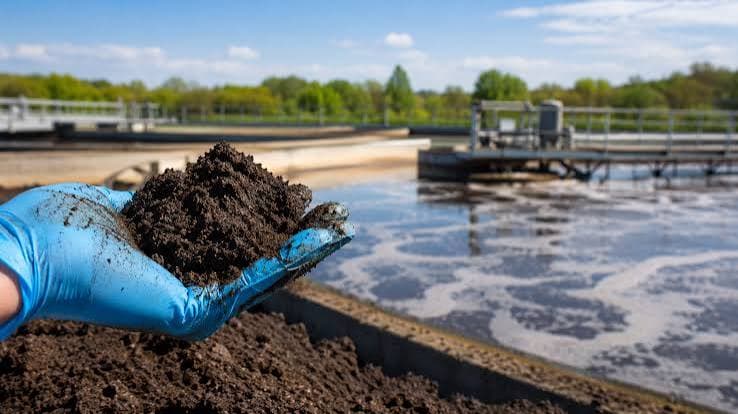
Biosolids — treated sewage sludge used as fertilizer — are a common source of nutrients for many farms in the United States. However, growing concerns about per- and polyfluoroalkyl substances (PFAS) contamination have prompted the EPA to issue more detailed risk management recommendations.
Key Elements of the EPA’s July 2026 Draft Guidance
Focus on PFOA and PFOS monitoring in biosolids before land application
Recommendations for testing, risk assessment, and management practices
Coverage of multiple land types including traditional farmland, forests, tree farms, and turf
Emphasis on protecting soil health, water quality, and food safety
Impact on Crop Protection and Fertilizer Supply Chains
This guidance has ripple effects across multiple segments:
Fertilizer Producers & Blenders: Companies that incorporate or sell biosolids-based products must evaluate their supply and implement stronger testing protocols.
Agrochemical Suppliers: Crop protection products applied on fields that receive biosolids may face increased scrutiny regarding combined chemical exposure and residue management.
Farmers and Applicators: Growers using biosolids must adapt to new testing and record-keeping requirements, potentially affecting input decisions for fertilizers and pesticides.
Food Chain Traceability: Heightened focus on PFAS creates pressure for better traceability from soil amendment to final harvest.
Challenges for the Industry
Testing and Compliance Costs: Routine PFAS testing adds significant expense to biosolids management.
Supply Disruptions: Some biosolids sources may be restricted or require additional treatment, reducing available volumes for agricultural use.
Liability Concerns: Producers, distributors, and applicators face potential legal and reputational risks related to PFAS contamination.
Product Reformulation: There may be increased demand for alternative, PFAS-free fertilizers and soil amendments.

Opportunities Emerging from the Guidance
Growth in demand for certified low-PFAS or PFAS-free fertilizers
Expansion of the biologicals and organic amendment market
Increased need for advanced soil testing and monitoring services
Innovation in wastewater treatment technologies to reduce PFAS in biosolids
Strategic Recommendations for Supply Chain Professionals
Assess Exposure: Review how much your supply chain relies on biosolids or biosolids-derived products.
Enhance Testing: Implement or strengthen PFAS testing protocols for key inputs.
Diversify Sources: Develop alternative fertilizer and soil amendment suppliers.
Stay Ahead of Regulation: Monitor both federal and state-level PFAS policies, as states often impose stricter rules.
Communicate Transparently: Work with customers to provide clear information on PFAS management efforts.
Broader Industry Outlook
The EPA’s draft guidance reflects a growing global trend of stricter regulation around “forever chemicals.” For the crop protection and fertilizer industries, this represents another layer of environmental, social, and governance (ESG) complexity that must be managed carefully.
Companies that proactively address PFAS risks in their supply chains will be better positioned to maintain customer trust and regulatory compliance as scrutiny continues to increase.
Citric Acid Monohydrate (E330) CAS: 5949-29-1