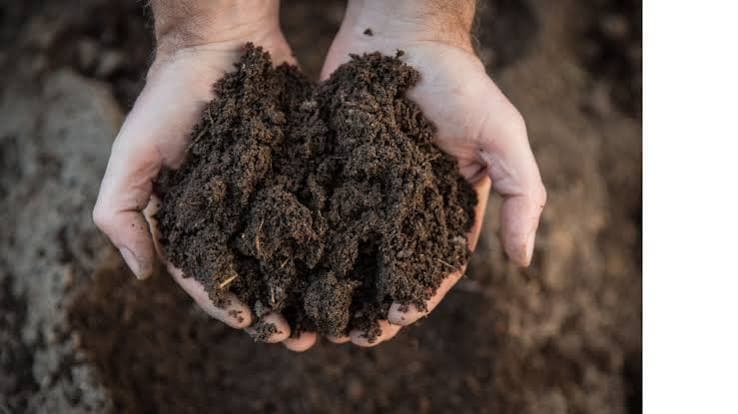
Biosolids as Fertilizer: Why Nearly 60% of Sewage Sludge Still Gets Land-Applied
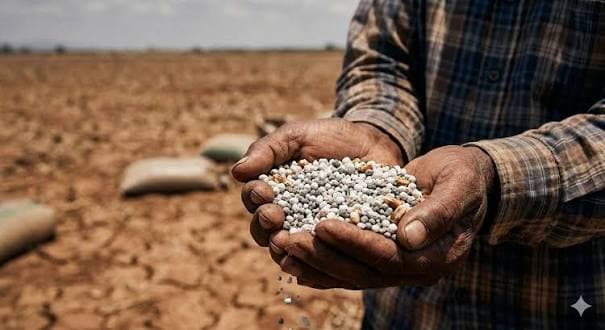
Nearly 60% of U.S. sewage sludge continues to be land-applied as biosolids fertilizer. Explore why this practice remains dominant despite growing PFAS concerns.
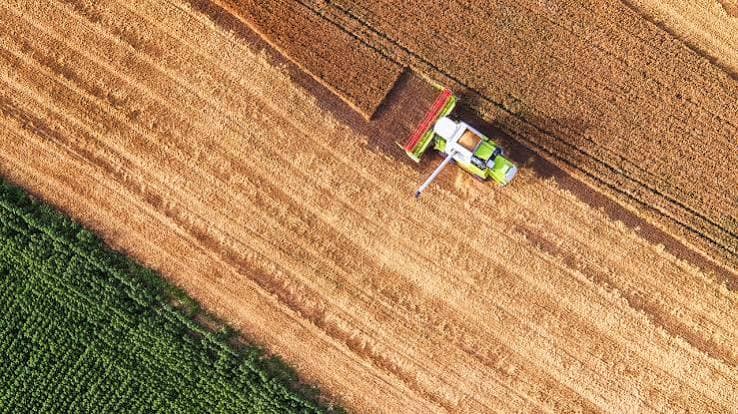
Discover market trends and forecasts that provide clarity on demand outlooks, growth drivers, and future developments across global chemical markets.

Nearly 60% of U.S. sewage sludge continues to be land-applied as biosolids fertilizer. Explore why this practice remains dominant despite growing PFAS concerns.
Wheat and corn futures surged during the earlier Hormuz blockade. Renewed tension could trigger similar grain price rallies and drive another wave of fertilizer...

The global agrochemicals market has reached $251.4 billion in 2026, growing at 4.7% CAGR. Explore the key drivers behind this expansion amid population growth a...

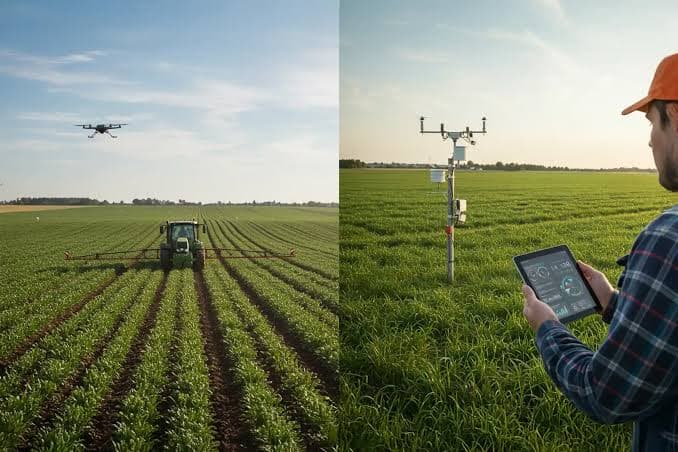
Precision agriculture is changing fertilizer demand by improving nutrient use efficiency. As variable-rate application expands, procurement teams must account f...

The Kiel Institute’s “Chemical-Food Cascade” framework explains how the 2026 Hormuz crisis is moving beyond chemical supply chains and into food inflation. Fert...

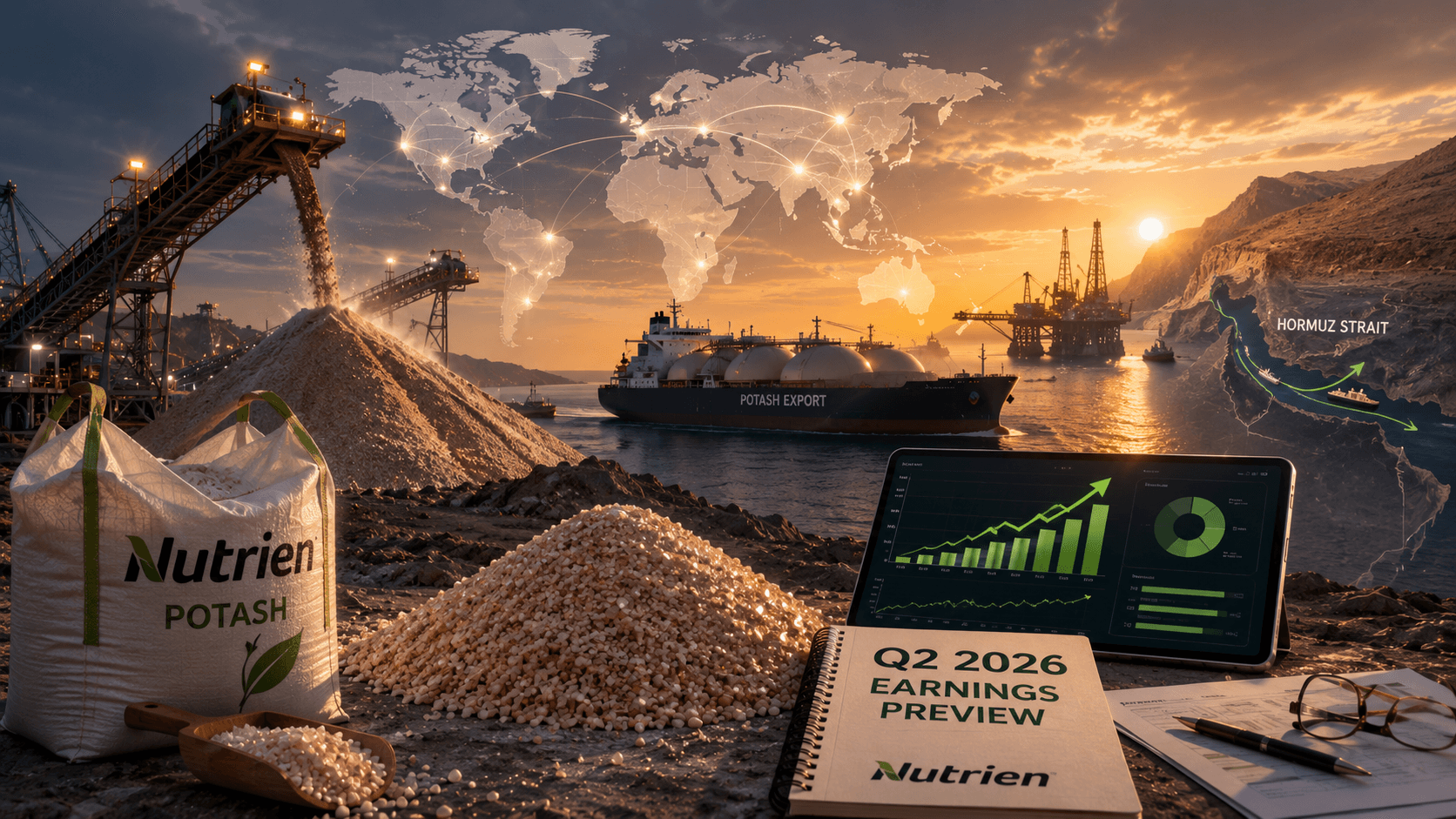
Nutrien is expected to report exceptionally strong Q2 2026 earnings as sanctions on Russian and Belarusian potash combine with Hormuz supply disruption to tight...
We're committed to your privacy. We use the information you provide to contact you about relevant content, products, and services. For more information, please check out our privacy policy.