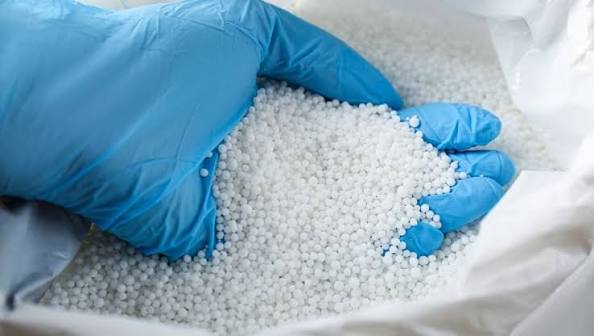
Thiourea (99.5%) - China CAS: 62-56-6
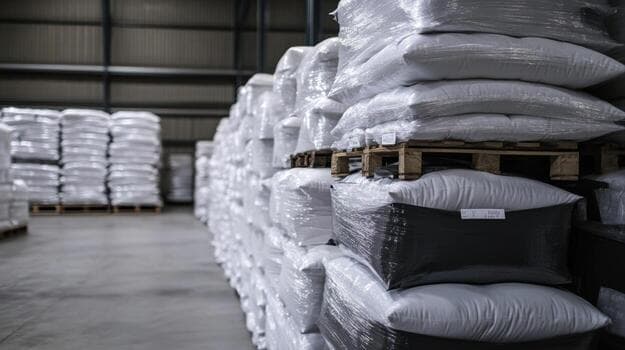
China's decision to delay phosphate exports until August, following earlier urea export restrictions, is influencing global fertilizer markets without formal trade bans. Procurement professionals should understand how export timing has become an increasingly important factor in supply chain planning.

The USDA's $500 million FIELDS program continues to support domestic fertilizer production through project funding and accelerated development. Procurement professionals should understand how the initiative could influence fertilizer availability, pricing and long-term supply security.

Ongoing concerns over potential tariff actions on Canadian potash imports continue to influence US wholesale fertilizer prices. Procurement professionals should understand how trade policy uncertainty is affecting sourcing decisions, pricing and long-term supply planning.

As freight and logistics rates climb, farmers find their break‑even points shrinking, forcing reevaluation of fertilizer purchases and supply chain strategies. This article explores how transport shocks ripple through farm economics, input costs, and overall profitability.
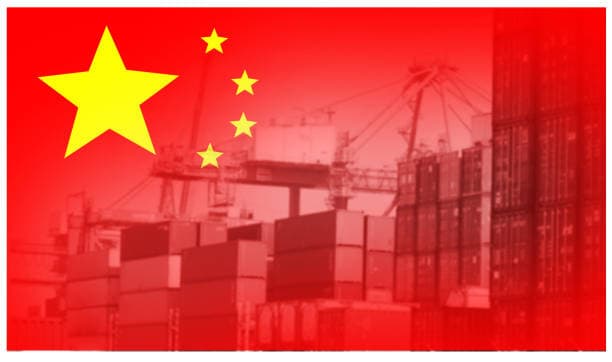
China’s early 2025 export curbs are reshaping global fertilizer flows into 2026, forcing shippers to rethink routes, sourcing and inventory. The ripple effects touch every corner of the supply chain, from African farms to European ports.

Australian farmers are capitalising on the U.S. Independence Day slowdown to secure critical urea, DAP and potash supplies before peak demand. The window offers reduced competition from U.S. buyers, giving Australia an edge ਕੇ
We're committed to your privacy. Tradeasia uses the information you provide to us to contact you about our relevant content, products, and services. For more information, check out our privacy policy.
Contact us
Download Our Mobile App