Urea (Granular) - Egypt CAS: 57-13-6

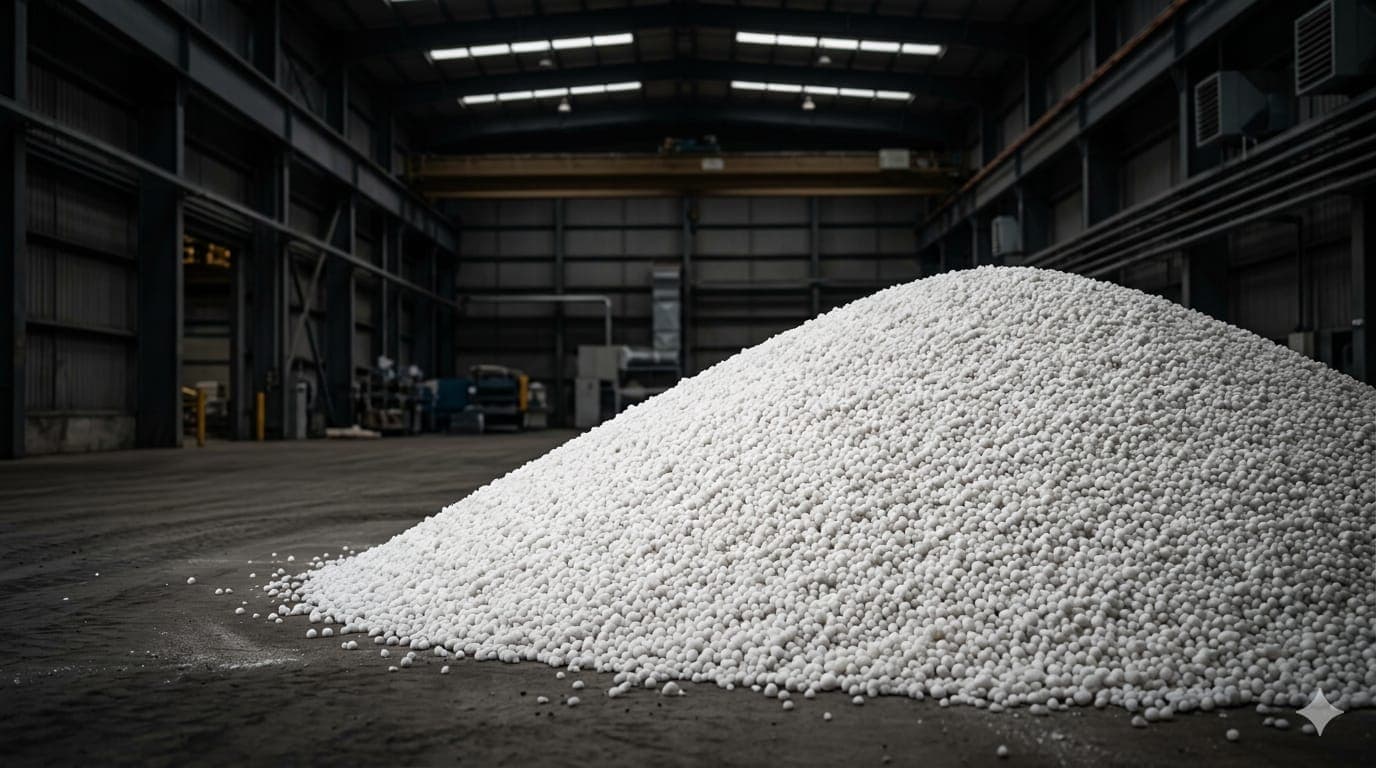
Urea (Granular) - Egypt CAS: 57-13-6
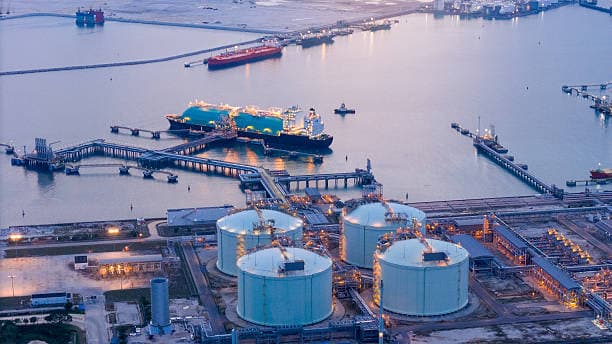
The recent persistence of DAP price strength underscores a tightening phosphate supply chain, heightened global fertilizer demand, and growing procurement risks for agriculture stakeholders. As phosphate trade remains constrained, buyers must reassess sourcing strategies amid volatile market conditions.

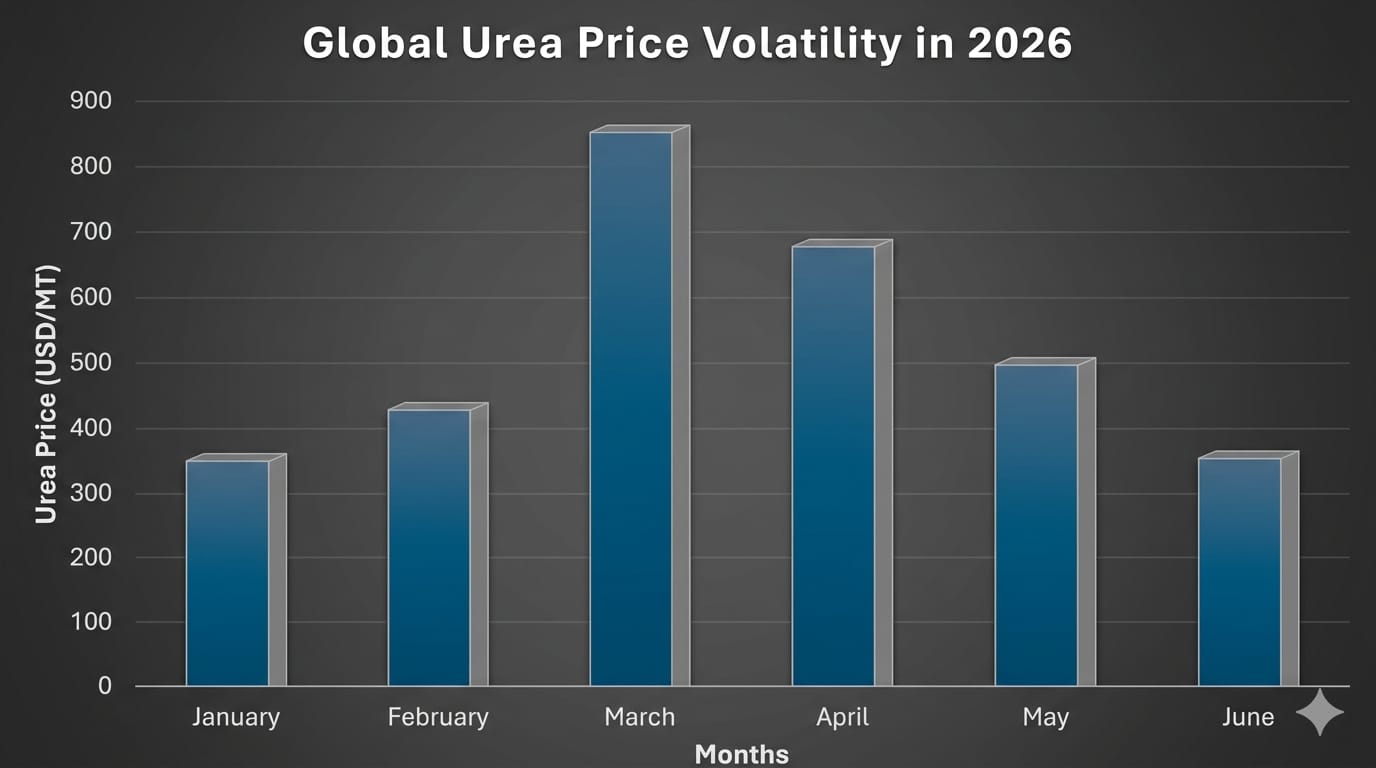
Urea prices have rebounded nearly 14% in the past month, signalling higher production costs across global agriculture. Understand how rising nitrogen fertilizer prices can influence crop economics, food ingredient supply chains and procurement strategies.
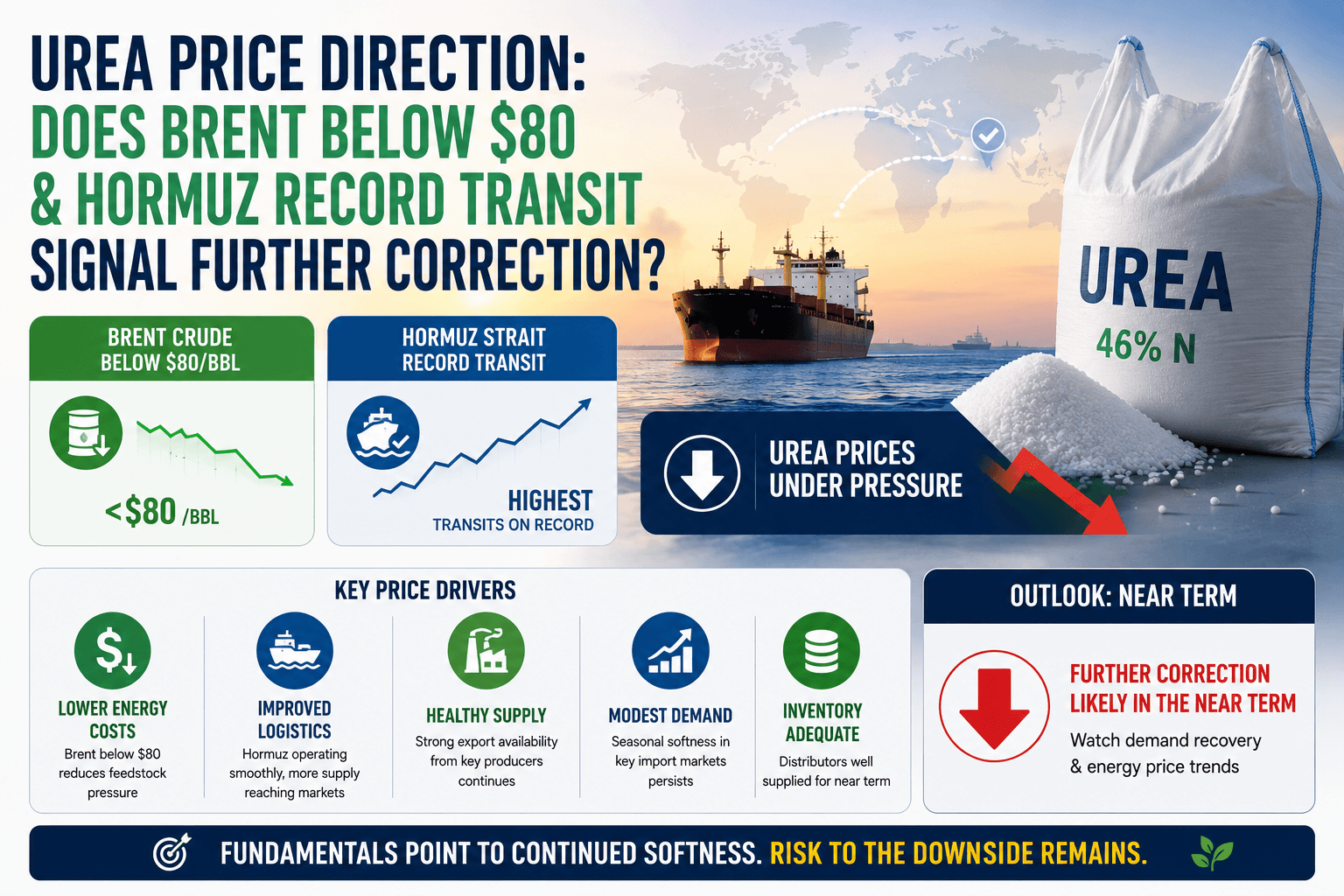
Urea prices have already fallen 36% from April highs, but improving Hormuz shipping and lower Brent crude suggest only modest further correction ahead. For fertilizer buyers, the strongest buying opportunity may already be unfolding before Q3 market stabilization begins.

Nutrien’s upcoming Q2 2026 earnings are poised to be a pivotal indicator for potash prices in the latter half of the year. Analysts are watching how the data will influence MOP fertilizer demand and the broader potassium chloride market. The market awaits a clear directional signal that could shape pricing strategies worldwide.

Urea prices in 2026 are poised for a rebound as Gulf exports climb back to 75% of pre‑war levels. This shift reshapes demand in the Southern Hemisphere, offering new buying windows for fertilizer importers. TradeAsia tracks the latest market dynamics for SABIC and QAFCO urea.
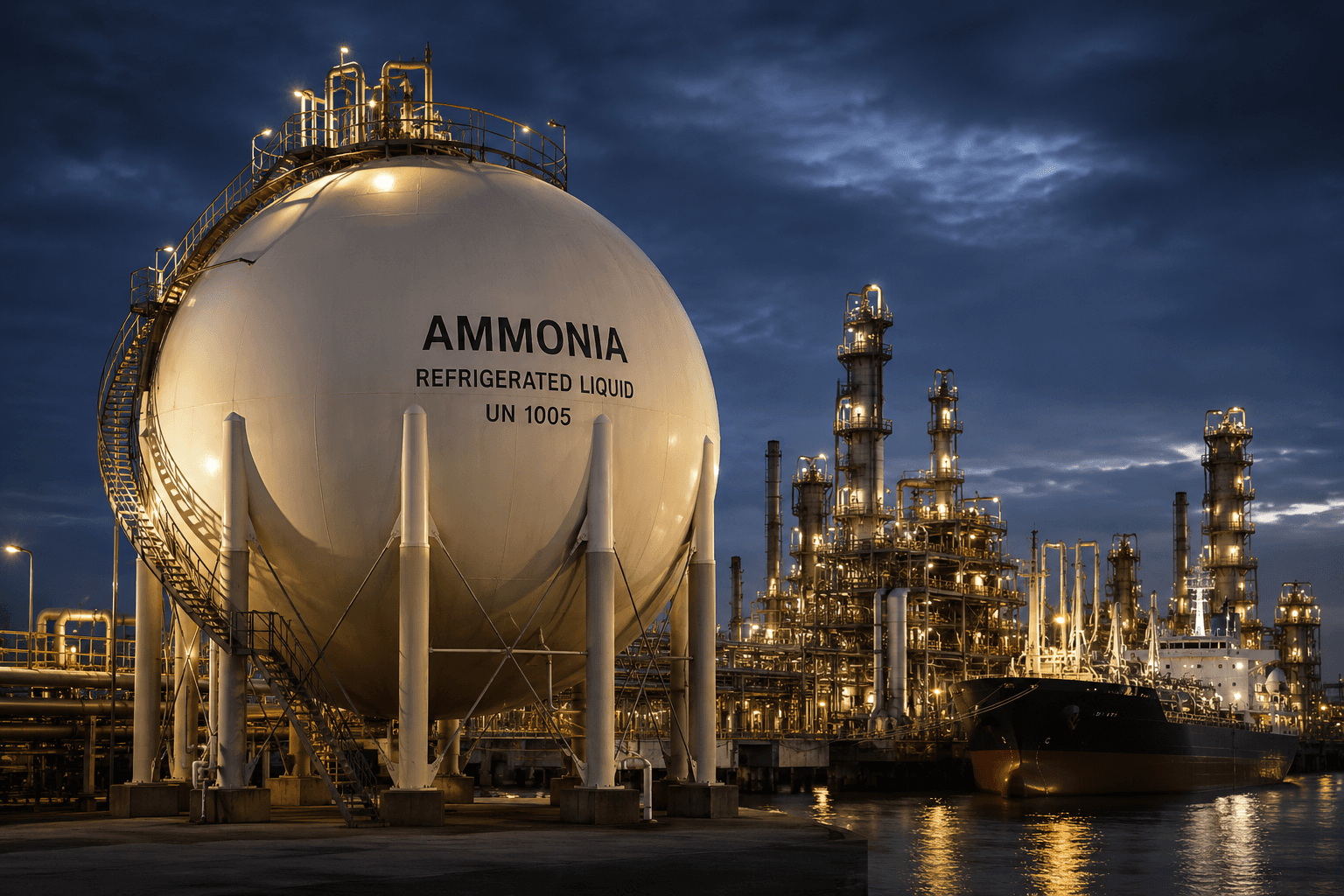
The shutdown of Iranian ammonia production alongside QatarEnergy's force majeure has intensified pressure across global nitrogen fertilizer markets. Procurement teams now face rising prices, constrained supply and a growing need to diversify sourcing strategies beyond the Middle East.
We're committed to your privacy. Tradeasia uses the information you provide to us to contact you about our relevant content, products, and services. For more information, check out our privacy policy.