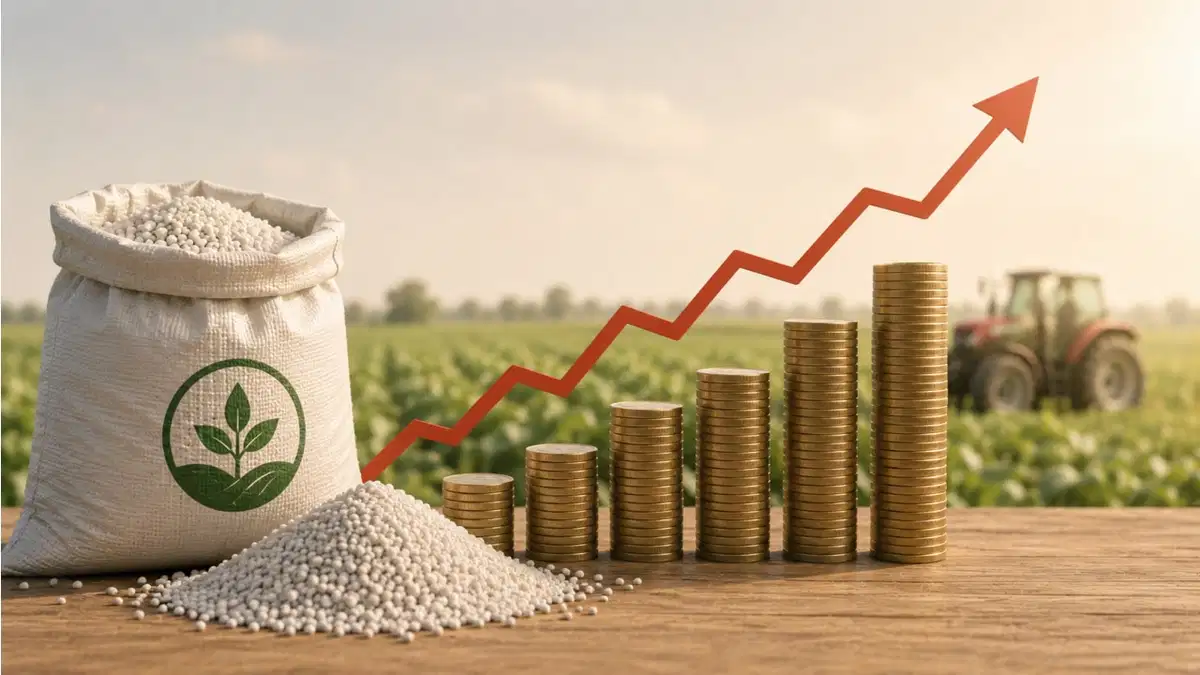

UN Warns of "Even Wider" Conflict: A Fresh Risk to South and Southeast Asian Fertilizer Supply
The United Nations has issued a stark warning about the potential for an “even wider” conflict in the Gulf region. This statement adds a new layer of concern for fertilizer supply chains, particularly regarding timely deliveries for rice crop applications across South and Southeast Asia.
UN Warning Compounds Existing Supply Concerns
The UN spokesman’s comments come at a critical moment. South and Southeast Asia are home to some of the world’s most important rice-producing regions, where fertilizer timing is crucial for achieving optimal yields. Any further escalation that disrupts shipping routes could have serious implications for the upcoming planting and growing seasons.
Why Rice Fertilizer Supply Is Especially Vulnerable
Rice farming in countries like India, Indonesia, Vietnam, Bangladesh, and the Philippines depends heavily on imported nitrogen fertilizers, particularly urea. These imports often rely on maritime routes that pass through or near the areas now under heightened risk. A wider conflict would likely exacerbate existing logistical challenges, leading to delays, higher costs, and potential shortages during key application windows.

Potential Consequences for the Region
Farmers across the region could face higher input costs or reduced availability of essential fertilizers at precisely the time they need them most. This situation risks lower rice yields, which would have direct effects on food availability and prices in some of the world’s most populous countries. Governments may need to consider emergency import measures or strategic reserve releases to mitigate the impact.
Broader Market and Food Security Implications
The UN warning reinforces the view that the current crisis is not likely to resolve quickly. Fertilizer traders and importers are already adjusting strategies, seeking alternative suppliers and building buffer stocks where possible. However, the sheer volume of fertilizer required for rice production in Asia makes full substitution difficult in the short term.
This development also highlights the interconnected nature of global security and food systems. What begins as a regional conflict can quickly translate into higher costs and supply risks for staple crop production thousands of miles away.
What Stakeholders Should Watch
Any further statements or actions from involved parties that could expand the conflict zone
Changes in shipping patterns and insurance costs for Asian-bound cargoes
Government responses in major rice-producing countries regarding fertilizer subsidies or import support
Price movements in urea and other nitrogen products on the global market
The UN’s cautionary note serves as an important reminder that the fertilizer supply risks facing South and Southeast Asia may be more structural and long-lasting than initially anticipated. Proactive planning and diversification will be essential to safeguard rice production and regional food security in the months ahead.