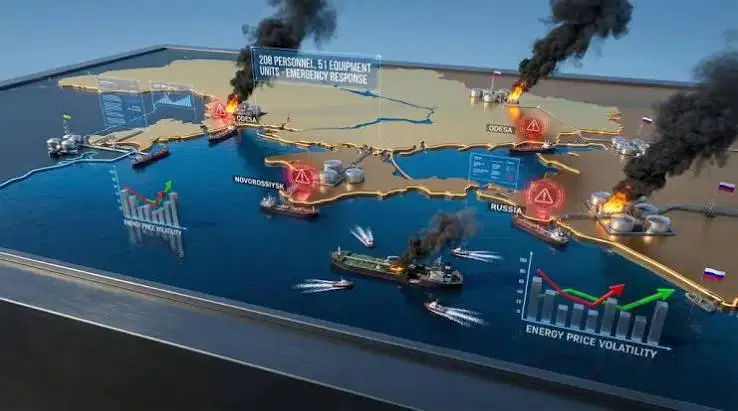
Trump's Toll Reversal Offers Fertilizer Shippers Modest Relief
For fertilizer importers, any reduction in landed cost is welcome right now. The decision to abandon the proposed 20% cargo fee removes one of the more unpredictable variables that buyers have been trying to price in over the last two weeks.
If you were looking at a $500,000 DAP cargo, that fee alone would have added $100,000 overnight — before freight, insurance, and bagging. That specific risk is now off the table.
But if you move urea, ammonia, or potash through or near the Gulf, you know the real cost driver today isn’t policy paperwork. It’s war-risk, vessel availability, and port throughput.
1. What This Reversal Actually Changes for Fertilizer Trade
Let's put the numbers in perspective.
The cost you no longer have to budget for: The 20% fee was flat, unavoidable, and applied regardless of whether your vessel was delayed or not. Its removal simplifies your C&F and DDP calculations, especially for US-linked cargoes or shipments using US financing and insurance. You can now quote your distributors and co-ops with one less contingency built in.
The costs that are still there: War-risk premiums for bulk carriers calling Jebel Ali, Ruwais, or Mesaieed are still $15,000 to $40,000 per voyage depending on vessel size. Gulf-origin urea is still seeing $18-25/MT in additional freight surcharges for Cape reroutes when Bab el-Mandeb is avoided. And port loading delays — 48 to 72 hours instead of 24 — are still adding demurrage that gets passed to the buyer.
In short, the toll reversal saves you roughly $80-120 per MT on a high-value cargo like DAP. But the security and disruption-related costs still add $30-60 per MT.
It’s relief, but it’s modest.
2. Why Fertilizer Buyers Should Not Pause Their Contingency Plans
The danger with any positive headline is that it creates a pause. Procurement teams think, "Costs are easing, let's wait."
For fertilizer, waiting is the bigger risk than paying.
Origin spread is still widening: Even with the fee gone, Gulf spot availability is limited. Many Qatari and UAE producers are still prioritizing long-term contract liftings and are cautious about offering new spot tonnes while the security situation remains fluid. That is pushing more buyers toward Egypt, Algeria, Morocco, and Indonesia — and those origins are getting tighter by the day.
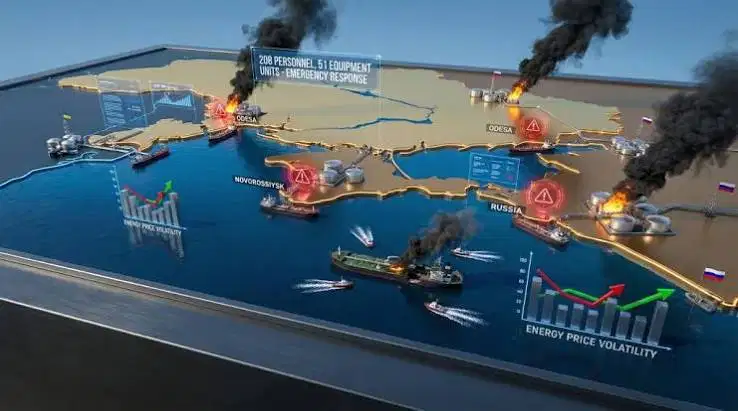
The seasonal clock doesn’t care about tolls: Whether there is a cargo fee or not, a two-week delay on a urea vessel for the Kharif season or for East African long rains is still a lost sales window. The toll reversal does not make a vessel move faster through Hormuz or get a berth quicker.
Vessel owners are still hesitant: Bulk owners are not pricing their hesitancy on cargo fees. They are pricing it on crew safety and insurance. The removal of the 20% fee does not change a captain’s decision to avoid a Gulf call if his P&I club raises a red flag.
3. How to Use This Small Window to Your Advantage
The smartest way to use this relief is to reinvest it into supply security.
Here’s what leading importers are doing on our marketplace this week:
Lock non-Gulf stock with the savings. If you just saved $80/MT on paper from the toll reversal, use $20-30 of that to secure urea or DAP that is already sitting in Aqaba, Djibouti, or Nhava Sheva warehouses. You pay a small premium over Gulf FOB, but you get guaranteed dispatch in 3-5 days without a Gulf loading delay.
Secure your freight separately from your product. Instead of buying C&F Gulf, buy FOB non-Gulf and fix your freight with an owner who has confirmed they will call your load port. It gives you more control than relying on a supplier who is still struggling to find a vessel.
Post your need now, not after prices adjust. Suppliers are still adjusting their offers to reflect the toll removal. If you post your 1,000-3,000 MT requirement today for July/August loading, you will get pre-increase offers from verified sellers who have inventory outside the risk zone.
On our B2B fertilizer marketplace, you can now search by “Ready Stock Location” and “Load Port Options” to avoid the worst of the Gulf congestion entirely.
The 20% fee is gone. The 2,700-mile detour and the war-risk premiums are not. If you have critical tonnage to move in the next 45 days, let’s find you a load that doesn’t need to cross a conflict zone to reach your field.
Post your requirement — we’ll connect you with verified non-Gulf suppliers within 24 hours.
Laundry Soap Noodle TFM 55% Min (90:10) CAS: 0143-07-07