Third US Service Member Killed: Escalation Risk Petrochemical Planners Can No Longer Ignore
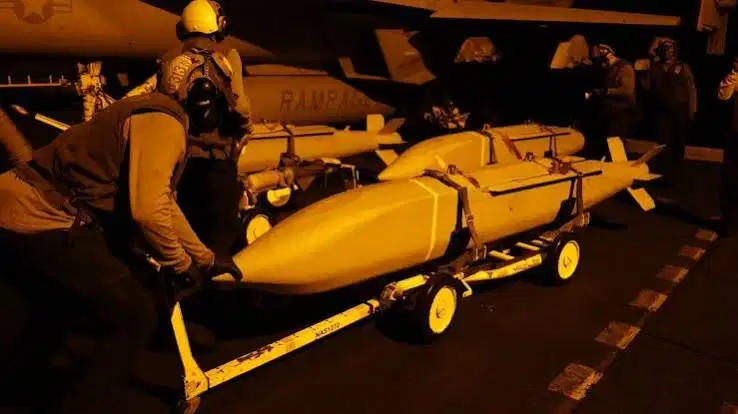
The US military has reported the death of a third service member in the past two days amid ongoing military exchanges with Tehran. This latest casualty marks a dangerous escalation and serves as a stark reminder that geopolitical risks in the region can no longer be treated as background noise by petrochemical and fertilizer industry planners.
Third US Service Member Killed: Escalation Risk Petrochemical Planners Can No Longer Ignore
The repeated loss of American personnel highlights the intensifying nature of the conflict and raises the probability of further military actions, potential retaliatory strikes, and broader regional instability. For industries heavily dependent on the Persian Gulf for feedstocks and shipping routes, this development demands immediate strategic attention.
Why This Escalation Matters for Petrochemicals and Fertilizers
The Gulf region remains central to global supply of energy, ammonia, urea, phosphates, and other critical chemical building blocks. Even limited military exchanges can quickly translate into:
Heightened security threats to commercial vessels and infrastructure
Further increases in war-risk insurance premiums
Greater reluctance by shipping companies to transit high-risk areas
Potential for supply disruptions at key production facilities
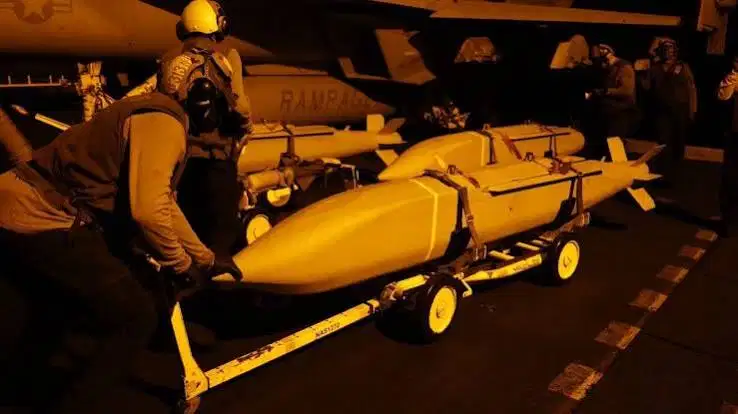
With three US service members killed in quick succession, the risk of a wider confrontation has clearly risen. Petrochemical companies and fertilizer buyers who have been monitoring the situation must now treat escalation as a base-case scenario in their planning.
Immediate Planning Priorities
Industry leaders should accelerate efforts in several key areas:
Diversification of feedstock and finished product sourcing away from high-risk zones
Building additional strategic inventories for critical materials
Reviewing and updating force majeure and business continuity plans
Engaging more closely with logistics partners on alternative routing options
Stress-testing financial models against sustained high energy and freight costs
Longer-Term Strategic Shifts
The current events may accelerate structural changes that were already underway, including greater investment in production capacity outside the Gulf, adoption of alternative feedstocks, and enhanced focus on supply chain resilience. Companies that act decisively now will be better positioned than those waiting for the situation to stabilize.
The Bottom Line
The death of a third US service member in two days removes any remaining complacency about the risks in the region. For petrochemical and fertilizer planners, escalation risk has moved from a tail event to a central consideration in near-term and medium-term strategy.
The industry must now plan for a more volatile and potentially prolonged period of disruption in one of the world’s most important energy and chemical production hubs.
Distilled Monoglyceride (E471) CAS: 123-94-4