Third Service Member Death Signals No Quick Fertilizer Market Resolution
The fertilizer market runs on seasonality. The conflict in the Gulf does not.
For the past ten days, many buyers were hoping for a short disruption — a week of delays, a temporary freight spike, then back to normal loadings from Jebel Ali, Mesaieed, and Ruwais.
The news of a third US service member casualty changes that timeline. Regardless of politics, in market terms, it signals one thing: this will not be resolved quickly. When a conflict reaches this threshold, de-escalation takes longer, naval presence increases, and export operations from the region operate under a much stricter security posture for weeks, not days.
For buyers of urea, ammonia, DAP, and potash blends, it’s time to plan for an extended squeeze on Gulf export capacity.
1. Why Gulf Export Capacity Will Stay Constrained
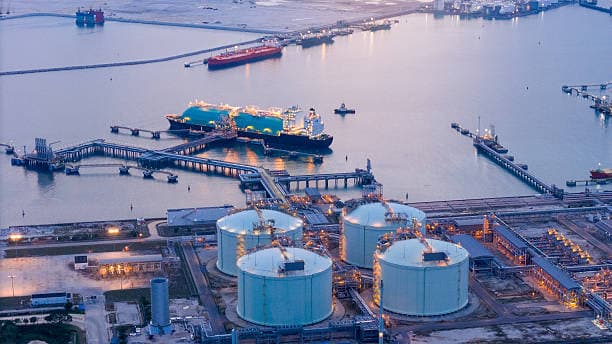
The Gulf accounts for over 25% of globally traded urea and is a critical hub for ammonia and sulphur. The disruption is no longer about ships being late — it’s about plants and ports operating below normal.
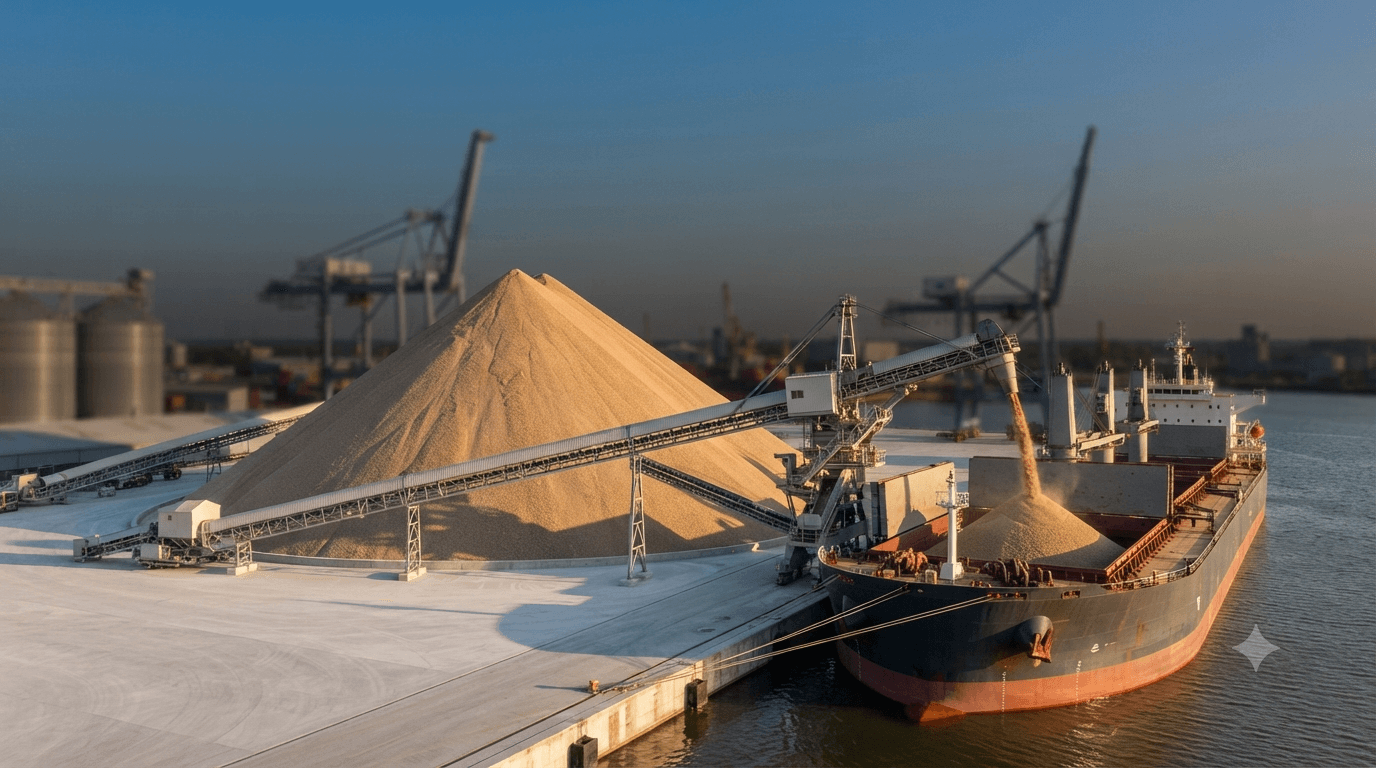
Slower port operations: Even when terminals are open, loadings are moving slower. Additional security checks, daylight-only operations in some ports, and crew hesitancy to berth for extended periods have cut daily loading rates. A vessel that used to load in 24 hours is now taking 48-72 hours.
Upstream feedstock caution: Ammonia and urea plants in the region rely on steady gas supply and stable power. With broader infrastructure risk, many producers are conserving output for long-term contract customers and holding back spot tonnage until there is more clarity.
Freight hesitancy: Bulk carriers and container lines are now applying war-risk premiums to any vessel calling the Gulf, and some owners are refusing Gulf calls altogether for spot charters. That means even if product is available at the plant, finding a vessel to lift it in the next 10-15 days is harder and significantly more expensive.
2. What This Extended Timeline Means for Fertilizer Buyers
If this were a 7-day event, you could manage it with buffer stock. If this extends to 30-45 days, which the current signals point to, you have a procurement problem.

Here’s what we are seeing on the ground:
Urea prices decoupling by origin: Gulf FOB prices are holding firm due to limited spot, while non-Gulf origins — Egypt, Algeria, Nigeria, and Southeast Asia — are seeing a rush of enquiries. The spread between Gulf and non-Gulf urea has already widened by $20-30 per MT this week.
DAP and NPK blends facing component delays: Even if your DAP supplier is outside the Gulf, their sulphur or ammonia feedstock may not be. Buyers need to ask their suppliers about raw material sourcing, not just final product availability.
Smaller buyers getting squeezed first: Large co-ops and government buyers have annual contracts that protect them. Spot buyers purchasing 500-2,000 MT for immediate agricultural cycles are the ones facing “no offer” responses right now.
3. How to Cover Your Position Without Panic Buying
This is not the time to panic buy at any price. It is the time to diversify origin quickly and intelligently.
1. Secure non-Gulf origin now for July/August delivery. If you need urea, ammonia, or DAP for the next planting window, look to Egypt, Morocco, Turkey, and India for prompt shipment. On our marketplace, you can filter suppliers by “Ready to Load Port” and avoid Gulf transit entirely.
2. Split your risk: Instead of one 2,000 MT lot from one Gulf origin, consider 1,000 MT from a Gulf supplier (if you have a vessel confirmed) and 1,000 MT from North Africa. It may cost slightly more on freight, but it guarantees you have product in the field.
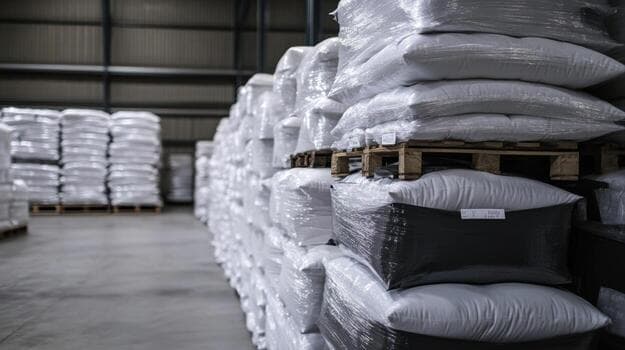
3. Ask for in-warehouse stock, not just FOB. Suppliers holding fertilizer stock in Jafza, Aqaba, or Djibouti warehouses have already cleared export hurdles. That stock is worth a premium right now because it can move immediately without waiting for a new Gulf loading slot.
We are currently helping fertilizer importers and large distributors on our platform connect with verified sellers holding urea, DAP, and MOP inventory outside high-risk zones, with loading in the next 7-14 days.
If you have a critical requirement for the next 30-60 days, post it anonymously and we’ll get you compliant, priced offers from alternate origins within 24 hours.
In a market like this, availability beats price.
Boric Acid (99.9% Granular) - Peru CAS: 10043-35-3