The Fourth Saudi Phosphate Cargo Clears Hormuz: A Cautious Signal for Fertilizer Shipping
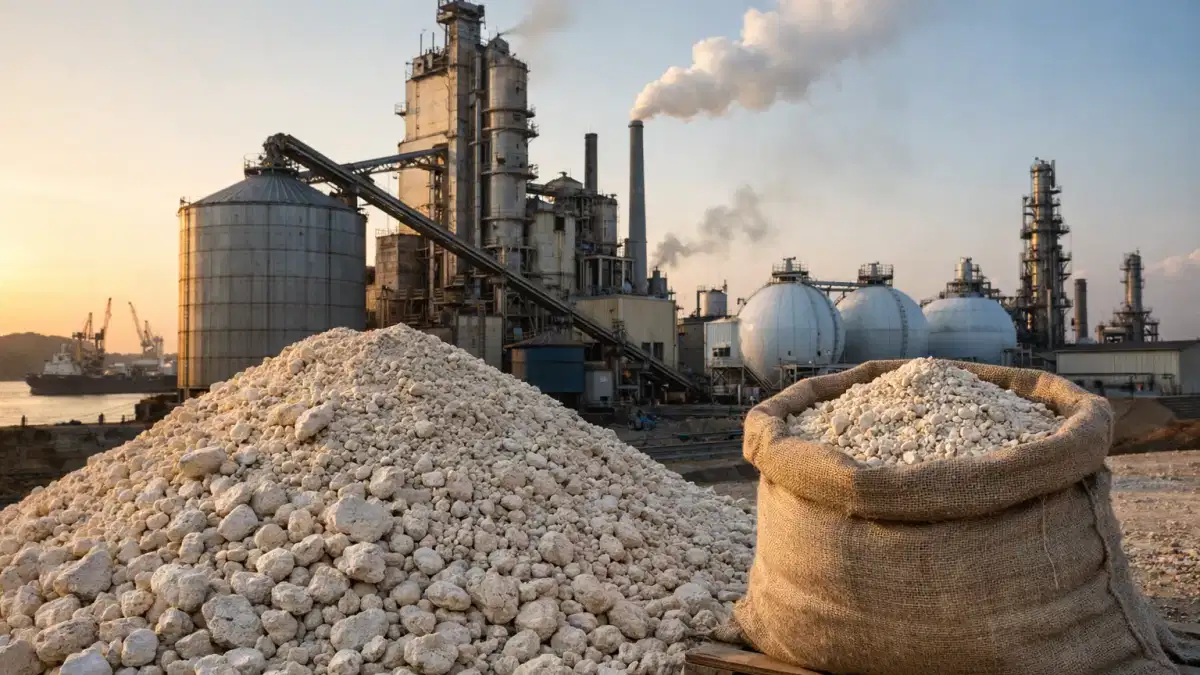
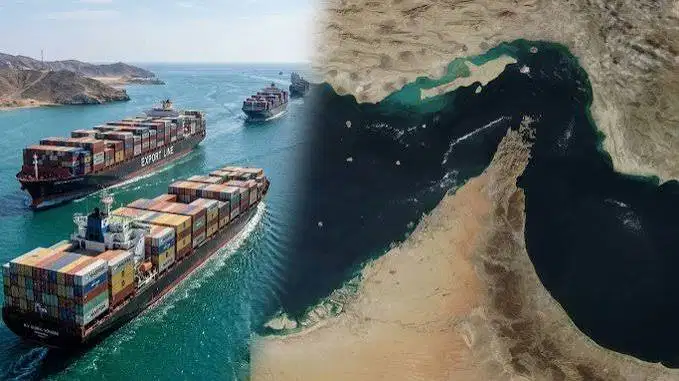
The successful transit of the fourth Saudi phosphate cargo through the Strait of Hormuz marks another incremental step toward stabilization in a critical fertilizer shipping route. While tensions in the region remain, this latest safe passage is viewed as a cautiously positive signal for global phosphate trade and fertilizer supply chains.
The Fourth Saudi Phosphate Cargo Clears Hormuz: A Cautious Signal for Fertilizer Shipping
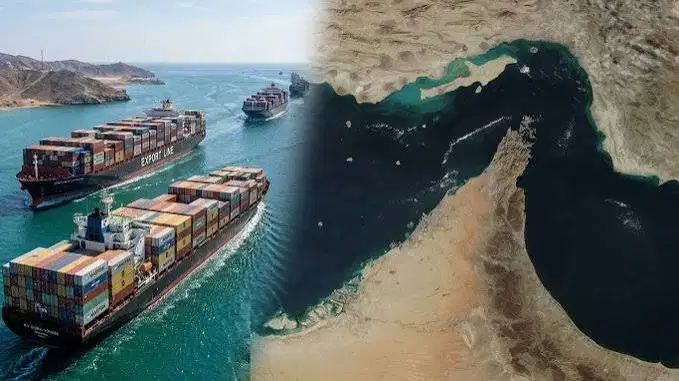
The Strait of Hormuz is one of the world’s most vital maritime chokepoints, through which a significant portion of global energy and chemical products — including phosphates — traditionally flow. Disruptions in this area have major implications for fertilizer availability and pricing worldwide.
Why This Matters
Phosphate Supply Security: Saudi Arabia is a major exporter of phosphate rock and processed fertilizers. Reliable passage through Hormuz is essential for maintaining steady supply to key importing regions.
Market Confidence: Each successful transit helps gradually restore confidence among shippers, insurers, and buyers.
Shipping Cost Implications: Reduced perceived risk can help stabilize or lower war risk insurance premiums and freight rates for phosphate cargoes.
Broader Fertilizer Impact: Smoother logistics support more predictable pricing and availability of DAP, MAP, and other phosphate fertilizers.
Current Context
This fourth successful cargo follows previous safe transits, indicating a tentative improvement in the operating environment for commercial shipping in the strait. However, the situation remains fluid, and industry participants continue to exercise caution with route planning and risk management.
Implications for Fertilizer Buyers and Traders
Procurement Planning: Companies can plan forward purchases with slightly greater confidence in Saudi-origin material.
Logistics Optimization: Improved transit reliability may allow for more efficient scheduling and reduced buffer stocks.
Price Pressure: Better shipping flow could help ease upward pressure on phosphate prices caused by logistics uncertainty.
Risk Management: While improving, many buyers continue to maintain diversified sourcing strategies across multiple origins.
What to Watch Next
Frequency and consistency of future Saudi phosphate shipments through Hormuz
Trends in war risk insurance premiums for the region
Any official statements or diplomatic developments affecting maritime security
Impact on overall global phosphate availability and pricing
Outlook
The fourth successful Saudi phosphate cargo transit through the Strait of Hormuz is a welcome development, but it remains a cautious signal rather than a full return to normalcy. The fertilizer industry will continue to monitor the situation closely as it balances supply chain resilience with cost management.
This incremental progress highlights both the vulnerability and the adaptability of global fertilizer trade routes in the face of geopolitical challenges.
Crude Glycerine 80% Min Soya Based CAS: 56-81-5