
Sulfur Supply Risk Returns as Gulf Refinery Runs Stay Suppressed
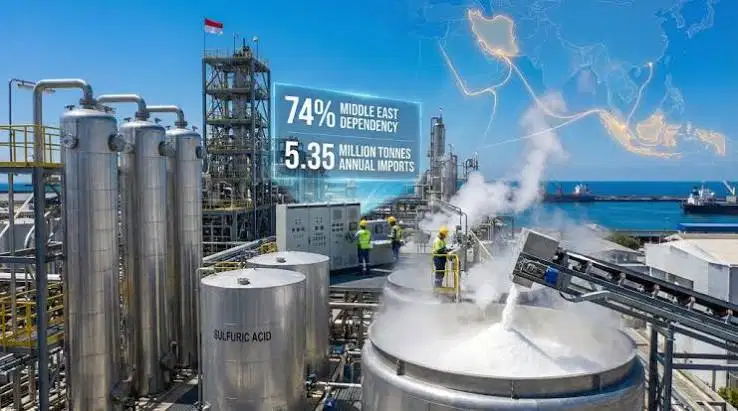
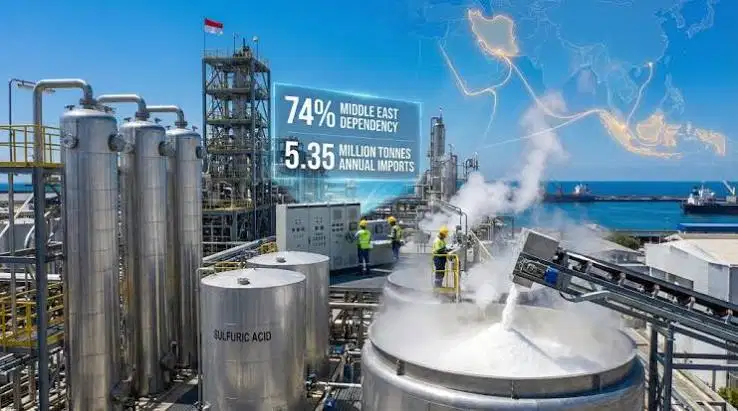
Sulfur supply is facing renewed pressure as major Gulf export refineries continue to operate at reduced rates. This development is significant because sulfur serves as a critical input for both fertilizers and sulfuric acid production, affecting multiple points in the chemical and agricultural supply chains.
Sulfur Supply Risk Returns as Gulf Refinery Runs Stay Suppressed
Sulfur is primarily recovered as a byproduct of oil and gas refining. When refinery utilization drops — particularly in key exporting regions like the Persian Gulf — global sulfur availability tightens quickly.
Why This Matters
Fertilizer Production: Sulfur is essential for manufacturing phosphate fertilizers (via sulfuric acid) and various sulfur-containing fertilizers.
Industrial Applications: Large volumes are used to produce sulfuric acid, a fundamental chemical used across many industries.
Supply Concentration: The Gulf region is a major global exporter of sulfur. Disruptions here have outsized international impact.
Price Sensitivity: Sulfur markets are known for volatility when supply-side issues emerge.
Current Drivers of Tightness
Suppressed refinery runs in the Gulf due to ongoing geopolitical and operational challenges
Reduced output of recovered sulfur from oil refining processes
Strong seasonal demand for fertilizers in key Northern Hemisphere markets
Logistical complications affecting export flows through high-risk maritime routes
Implications Across the Value Chain
Phosphate Fertilizer Producers: Higher sulfur/sulfuric acid costs could increase production expenses for DAP and MAP.
Farmers: Potential upward pressure on prices for sulfur-containing fertilizers.
Industrial Buyers: Increased costs for sulfuric acid-dependent processes.
Traders: Greater volatility and risk premiums in sulfur spot and contract markets.
Strategic Considerations
Source Diversification: Look beyond traditional Gulf suppliers toward North America, Russia, and other producing regions.
Inventory Management: Build strategic stocks where storage economics allow.
Contract Review: Ensure agreements include adequate price escalation and force majeure provisions.
Alternative Technologies: Evaluate options to reduce sulfur dependency where technically feasible.
Long-term Planning: Monitor refinery restart timelines and new sulfur recovery projects globally.
Outlook
The return of sulfur supply risk underscores the interconnected nature of energy, refining, and agricultural input markets. As long as Gulf refinery operations remain constrained, sulfur markets are likely to stay tight and volatile.
Buyers and producers across the sulfur value chain should treat this as a structural rather than temporary issue and adjust their risk management strategies accordingly.