South and Southeast Asian Rice Fertilizer Applications Face a New Risk Window
A prolonged conflict in the Gulf region is creating a new risk window for fertilizer applications on rice crops across South and Southeast Asia. This vulnerability has resurfaced with the latest round of hostilities, threatening timely nutrient supply during critical growth stages for one of the world’s most important staple crops.
South and Southeast Asian Rice Fertilizer Applications Face a New Risk Window
Rice is the primary food source for billions of people, and South and Southeast Asia account for a massive share of global production. Fertilizer — particularly nitrogen (urea), phosphate, and potash — is essential for achieving the high yields needed to feed growing populations.
Why Rice Farming Is Especially Vulnerable
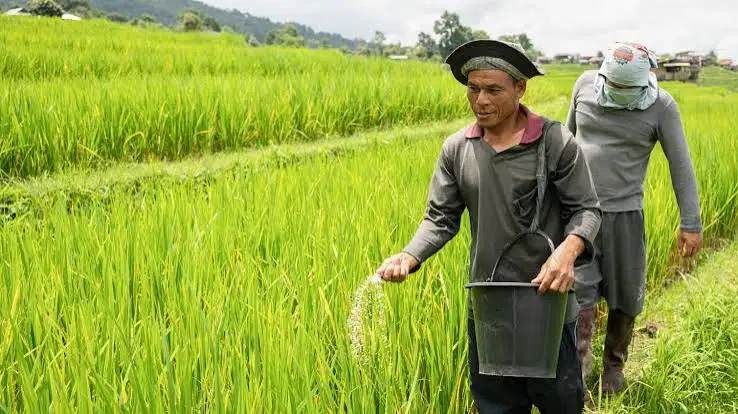
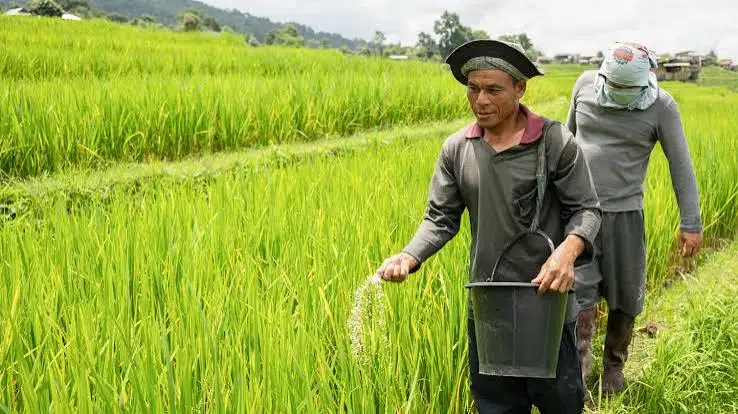
Timing Sensitivity: Rice has well-defined fertilizer application windows (basal, tillering, and panicle initiation stages). Delays or shortages during these periods can significantly reduce yields.
High Fertilizer Demand: Rice is a nutrient-intensive crop, requiring substantial amounts of nitrogen in particular.
Import Dependence: Many countries in the region, including India, Indonesia, Vietnam, Bangladesh, and the Philippines, rely heavily on imported fertilizers.
Gulf Supply Exposure: A notable portion of urea and other fertilizers used in the region historically comes from or passes through Gulf supply routes.
Current Risk Factors
Renewed disruptions in the Strait of Hormuz affecting fertilizer shipments
Potential delays and increased costs for alternative routing
Tight global inventories following earlier supply shocks
Strong seasonal demand as the main rice planting season approaches in several countries
Potential Consequences
Yield Impact: Missed or reduced fertilizer applications could lower rice productivity in the upcoming season.
Food Security Concerns: Any significant production shortfall in the region could affect domestic food availability and prices.
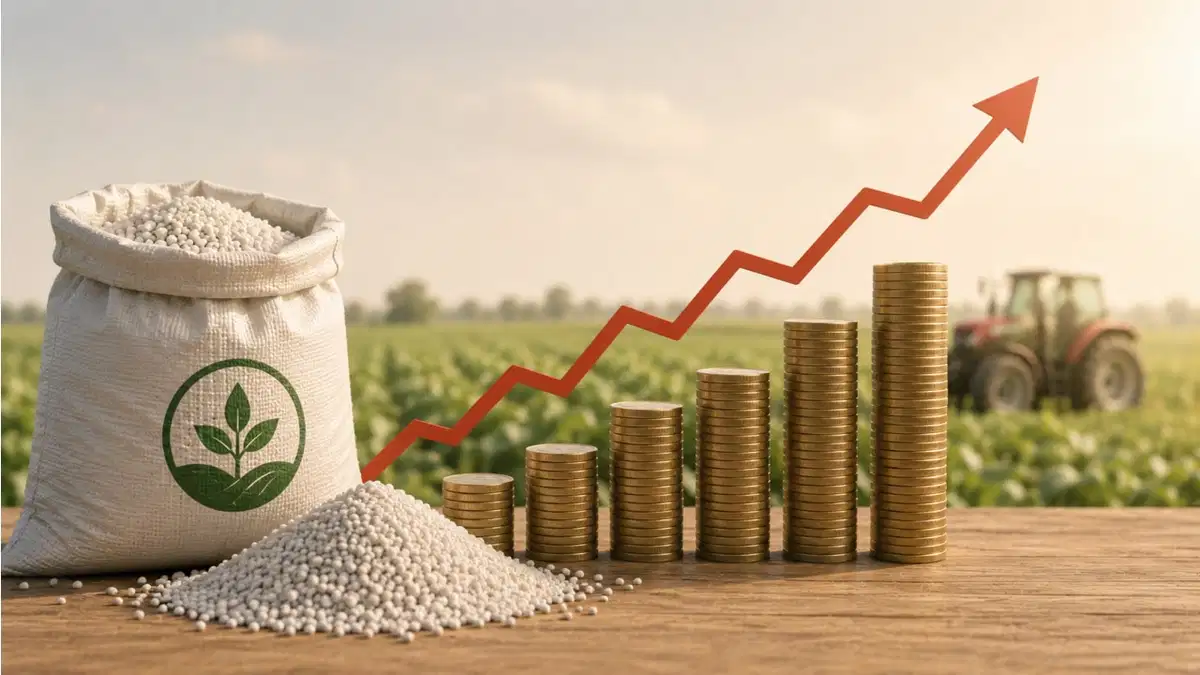
Price Volatility: Fertilizer costs for farmers may rise sharply if supply tightens further.
Government Response: Increased pressure on governments to secure alternative supplies or release strategic reserves.
Strategic Recommendations
For Governments:
Accelerate diversification of fertilizer import sources
Build and maintain strategic fertilizer stockpiles
Support domestic production capacity where feasible
For Importers and Traders:
Secure forward contracts with non-Gulf suppliers
Explore multi-origin blending strategies
Monitor shipping developments closely
For Farmers and Cooperatives:
Optimize existing fertilizer stocks through precision application
Consider alternative nutrient sources and organic amendments where appropriate
Stay informed about government support programs
Outlook
The intersection of geopolitical risk in the Gulf and the critical fertilizer timing for Asian rice production creates a high-stakes situation. How long the current disruptions persist will largely determine the severity of impact on the upcoming rice season.
This risk window reinforces the urgent need for greater supply chain resilience and geographic diversification in global fertilizer trade to protect food security in import-dependent regions.