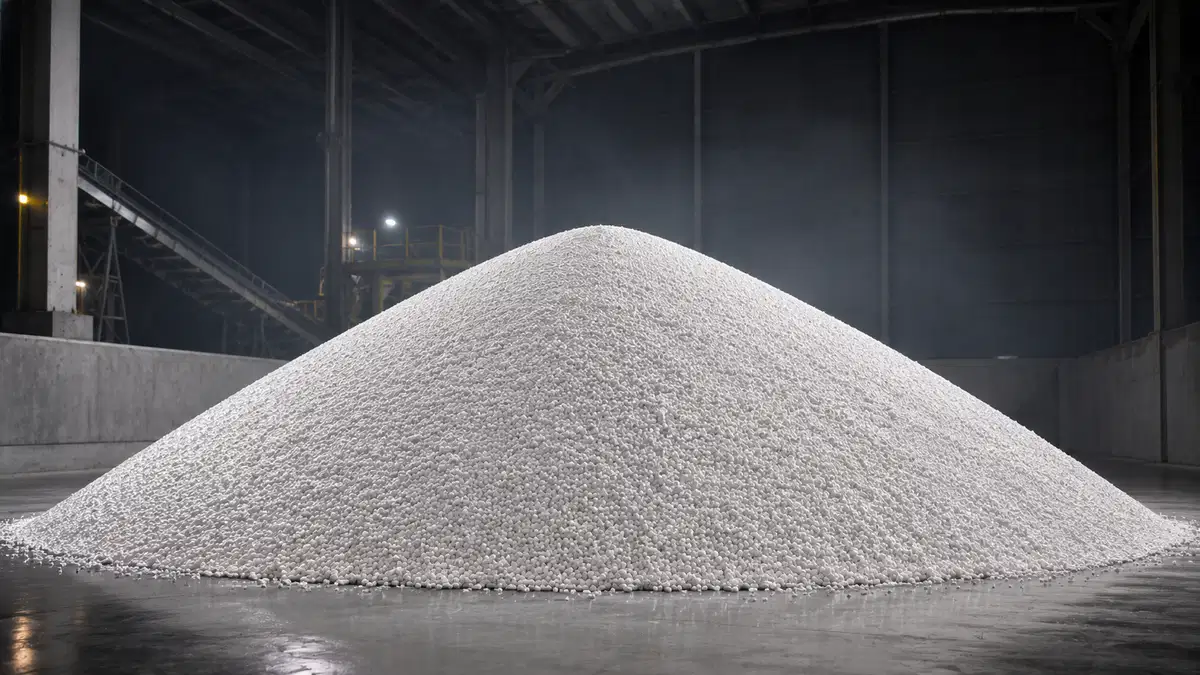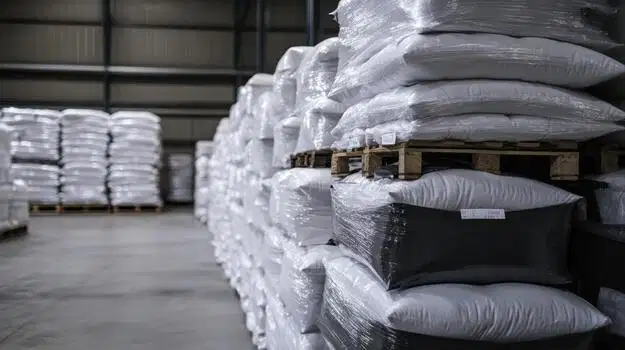

Despite ongoing geopolitical tensions in the Gulf region, Saudi Arabia continues to demonstrate the resilience of its fertilizer export supply chain. The successful completion of the fourth Saudi phosphate cargo transit through the Strait of Hormuz highlights the country's ability to maintain export operations even during periods of regional uncertainty.
Phosphate fertilizers are essential to global agriculture, supporting crop yields and food security. For fertilizer producers, distributors, and procurement professionals, uninterrupted phosphate shipments provide an encouraging signal that critical agricultural supply chains remain operational despite elevated geopolitical risks.
While regional tensions continue to require close monitoring, consistent cargo movements indicate that Gulf fertilizer exports remain an important and reliable component of the global agricultural market.

Why Hormuz Matters for Fertilizer Trade
The Strait of Hormuz is one of the world's most important maritime trade routes, connecting Gulf producers with international markets.
For the fertilizer industry, it supports exports of:
Phosphate fertilizers
Fertilizer intermediates
Sulfur
Industrial chemicals
Petrochemical feedstocks
Agricultural raw materials
Maintaining stable shipping operations helps reduce supply disruptions for global agricultural markets.
Saudi Arabia's Role in Global Fertilizer Supply
Saudi Arabia has become a significant supplier of phosphate-based fertilizers and related agricultural inputs.
Its competitive advantages include:
Large phosphate reserves
Modern production facilities
Strategic export infrastructure
Strong international trade connections
Investment in mining and fertilizer production
Reliable logistics capabilities
These strengths help support global fertilizer availability during periods of market uncertainty.
Saudi Arabia plays an important role in supplying phosphate-based agricultural inputs to global markets. Products such as Mono Ammonium Phosphate (MAP), Di Ammonium Phosphate (DAP), Phosphoric Acid, Sulphur, and Potassium Sulphate (SOP) are widely used to support crop nutrition and fertilizer manufacturing, making reliable logistics essential for uninterrupted supply.
Phosphoric Acid (85%) (E338) CAS: 7664-38-2
Procurement Considerations
Procurement teams sourcing fertilizers and agricultural chemicals should continue monitoring logistics conditions alongside supplier performance.
Key considerations include:
Shipping route stability
Inventory planning
Supplier diversification
Delivery schedules
Long-term supply agreements
Geopolitical risk monitoring
Building resilient procurement strategies helps minimize disruptions during changing market conditions.
Looking Ahead
Although geopolitical developments in the Gulf remain an important consideration, continued phosphate shipments demonstrate that essential fertilizer trade can remain operational even during periods of heightened regional tension. Procurement professionals should continue monitoring logistics, shipping routes, and supplier performance while maintaining diversified sourcing strategies.
Reliable export performance from major producers such as Saudi Arabia supports greater confidence in global fertilizer supply continuity.
Key Takeaways
Saudi Arabia continues to move phosphate exports through the Strait of Hormuz despite regional tensions.
Stable fertilizer shipments support global agricultural supply chains.
Procurement teams should continue monitoring logistics and geopolitical developments.
Diversified sourcing and inventory planning remain important risk management strategies.
Consistent Gulf fertilizer exports provide a positive signal for global supply continuity.