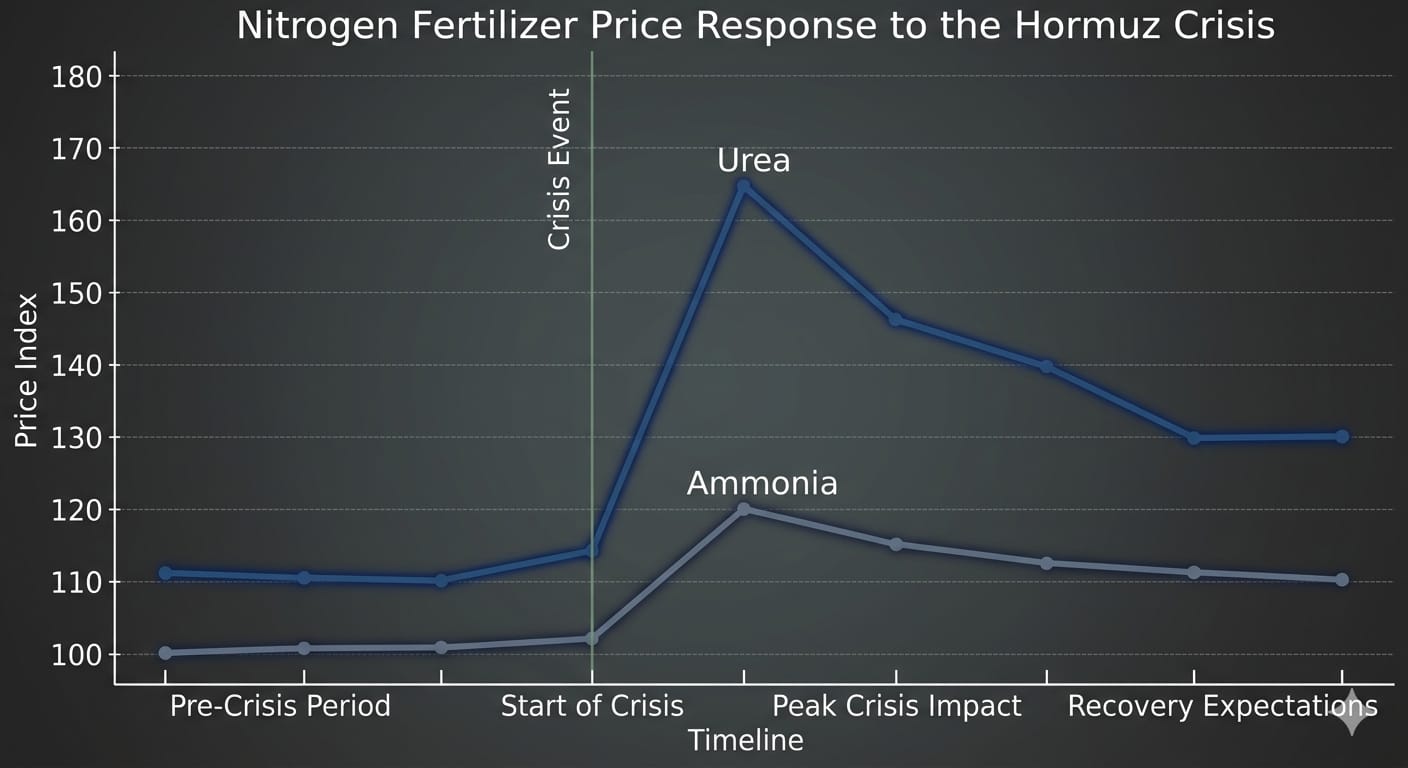
Ammonia Anhydrous CAS: 7664-41-7

Ammonia Anhydrous CAS: 7664-41-7
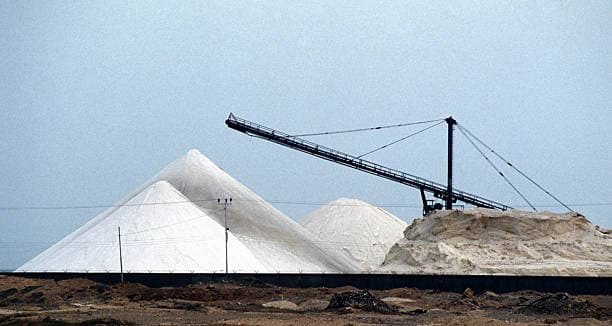
China’s ongoing ban on phosphate exports pushes global fertilizer markets into uncertainty, tightening DAP and MAP supplies, reshaping shipping routes, and forcing buyers to rethink procurement strategies. The ripple effect underscores the fragility of the agricultural input supply chain.

As freight and logistics rates climb, farmers find their break‑even points shrinking, forcing reevaluation of fertilizer purchases and supply chain strategies. This article explores how transport shocks ripple through farm economics, input costs, and overall profitability.
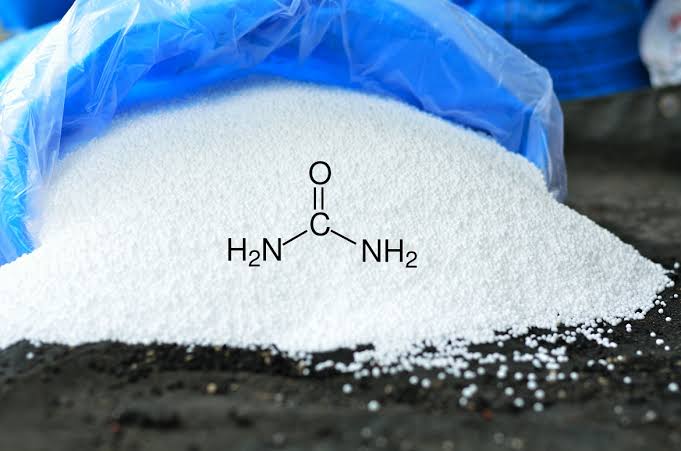
This week's agrochemical intelligence highlights fertilizer supply recovery, phosphate pricing, urea market developments, Bangladesh's ammonia restart, and upcoming EU trade decisions that could reshape procurement strategies during Q3 2026.

China's expected easing of urea export restrictions could significantly influence global fertilizer markets during Q3 2026. Fertilizer buyers should evaluate procurement timing carefully as additional supply may reshape international pricing.

Qatar sits at the crossroads of geopolitical uncertainty and commercial strain as US‑Iran talks stall and LNG disruptions persist. Chemical buyers now question whether QatarEnergy can honour investment plans and restore export flows while QAFCO navigates force majeure timelines. The outcome will reshape ammonia, urea, and fertilizer pricing across Asia.

The UN warns 9.1 million more people in Asia could face acute food insecurity if fertilizer supply disruptions continue through July. For agricultural procurement teams, ammonia and urea supply recovery is now an operational priority with direct consequences for global crop production.
We're committed to your privacy. Tradeasia uses the information you provide to us to contact you about our relevant content, products, and services. For more information, check out our privacy policy.