
The global fertilizer market is showing signs of renewed momentum, with potash demand recovering alongside stronger agricultural activity and improving farm input markets. As one of the world's leading potash producers, Nutrien enters the second half of the year from a position of financial strength, supported by healthy sales performance and high production utilization.
For fertilizer procurement professionals, a supplier's financial position is more than a business metric—it influences pricing flexibility, contract negotiations, supply reliability, and long-term commercial strategy. Understanding these dynamics can help buyers make more informed purchasing decisions before seasonal demand accelerates.
Why Potash Matters
Potash is one of the three primary macronutrients required for crop growth.
It plays a vital role in:
Improving water-use efficiency
Strengthening root development
Enhancing crop quality
Increasing disease resistance
Supporting drought tolerance
Improving yield potential
Major consumers include grain producers, oilseed growers, fruit orchards, vegetable farms, and plantation crops worldwide.
Potassium Chloride CAS: 7447-40-7
Understanding the Current Market
Global fertilizer demand has gradually improved as agricultural production remains a priority across major farming regions.
Several factors continue to support potash consumption:
Stable global food demand
Seasonal planting requirements
Improved farm investment
Inventory replenishment
Long-term soil fertility management
These trends contribute to stronger market fundamentals for major potash suppliers.
Nutrien's Market Position
Nutrien is one of the world's largest integrated fertilizer companies, supplying potash, nitrogen, and phosphate products to international agricultural markets.
A strong commercial position offers several competitive advantages.
Financial Stability
Healthy financial performance enables continued investment in production, logistics, and customer support.
High Production Utilization
Operating facilities at high utilization improves manufacturing efficiency while supporting reliable product availability.
Global Distribution Network
An extensive logistics network allows Nutrien to serve customers across multiple international markets.
Investment Capacity
Strong financial performance provides greater flexibility for future expansion, technology upgrades, and operational improvements.
What This Means for Buyers
Supplier strength can directly influence procurement strategies.
Pricing Flexibility
Financially strong suppliers may have less incentive to offer significant price concessions, particularly during periods of healthy demand.
Contract Negotiations
Early engagement often provides buyers with greater flexibility before seasonal purchasing activity increases.
Supply Security
Working with financially stable suppliers can improve confidence in long-term product availability and delivery performance.
Market Planning
Procurement teams should monitor market fundamentals alongside supplier capacity and seasonal demand trends when planning purchases.
Procurement Strategies
Organizations purchasing potash can strengthen their sourcing approach through proactive planning.
Recommended practices include:
Begin Seasonal Planning Early
Avoid concentrating purchases during peak demand periods when supply conditions may become tighter.
Diversify Supply Sources
Maintaining relationships with multiple qualified suppliers reduces sourcing risk.
Balance Contract Structures
Combining long-term agreements with selective spot purchases provides flexibility as market conditions evolve.
Monitor Inventory Levels
Review warehouse stocks regularly to maintain appropriate safety inventories without excessive carrying costs.
Strengthen Supplier Relationships
Collaborative supplier partnerships often support improved communication, planning, and long-term reliability.
Market Factors to Watch
Several variables may influence potash markets during the coming months.
Key indicators include:
Seasonal fertilizer demand
Global crop planting activity
Freight and logistics conditions
Energy market developments
Production capacity utilization
International trade flows
Regional inventory levels
Monitoring these factors supports more informed procurement decisions.
Long-Term Outlook
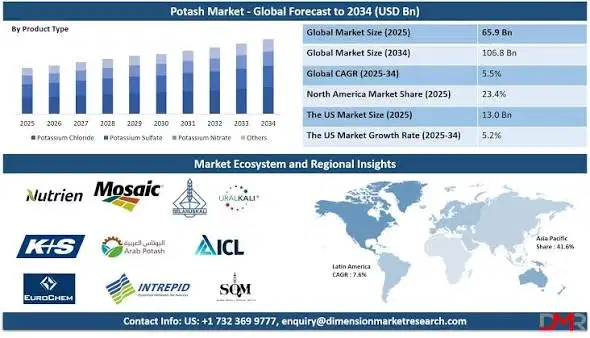
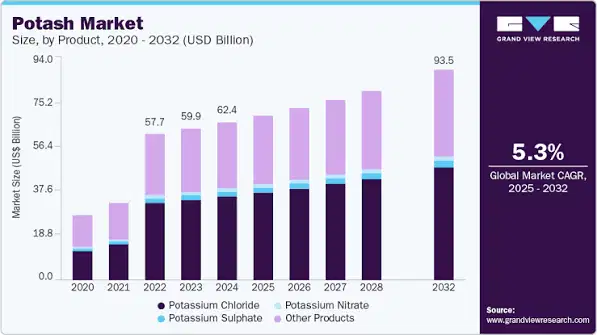
Global demand for potash is expected to remain supported by growing agricultural production, the need for higher crop yields, and continued investment in soil fertility. Financially strong producers are likely to continue investing in operational efficiency, supply reliability, and customer service while adapting to evolving market conditions.
For procurement professionals, successful sourcing will depend on balancing supplier relationships, market intelligence, inventory planning, and contract flexibility. Organizations that engage suppliers early and build diversified procurement strategies will be better positioned to manage pricing volatility and maintain dependable fertilizer supply.
Key Takeaways
Potash remains an essential nutrient for improving crop productivity and long-term soil health.
Strong financial performance enhances a supplier's ability to invest in production, logistics, and customer support.
Financially stable suppliers may have less incentive to offer aggressive price discounts during periods of healthy demand.
Early procurement planning helps buyers secure supply before seasonal demand increases.
Diversified sourcing, flexible contracts, and ongoing market monitoring remain key components of an effective fertilizer procurement strategy.