Ports and Utilities Under Attack: Fertilizer Production Infrastructure Risk Widens
For years, fertilizer buyers worried about two things: gas price and freight. If gas was cheap and a vessel was available, you could get your urea or DAP.
That equation just broke.
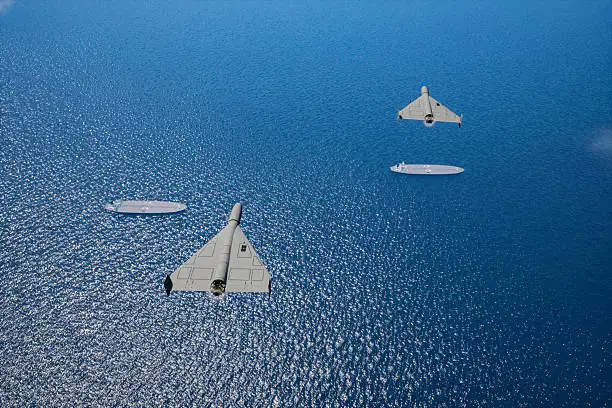
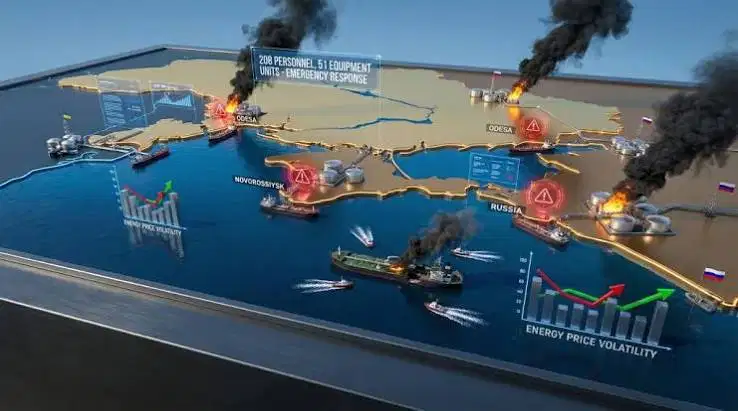
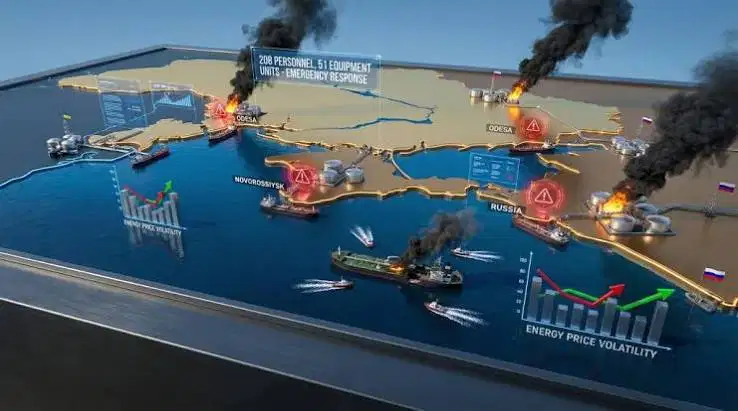
When the conflict expands from sea lanes to the infrastructure that supports production — the ports where you load, the bridges and roads that bring in sulphur and potash, and the power and gas utilities that keep ammonia plants running — you don’t just get a shipping delay. You get a production risk. And for fertilizer, production risk is far more serious.
1. Why Fertilizer Plants Are More Exposed Than Other Chemical Plants
Fertilizer production is infrastructure-heavy in a way most other chemicals are not.
It needs massive, uninterrupted utilities. A single ammonia plant consumes 30-35 million BTU of natural gas per day and requires constant high-voltage power and cooling water. Even a 6-hour power fluctuation or gas pressure drop can force a shutdown. And an ammonia plant does not restart with a button — it takes 3-5 days to stabilize, wasting huge amounts of feedstock.
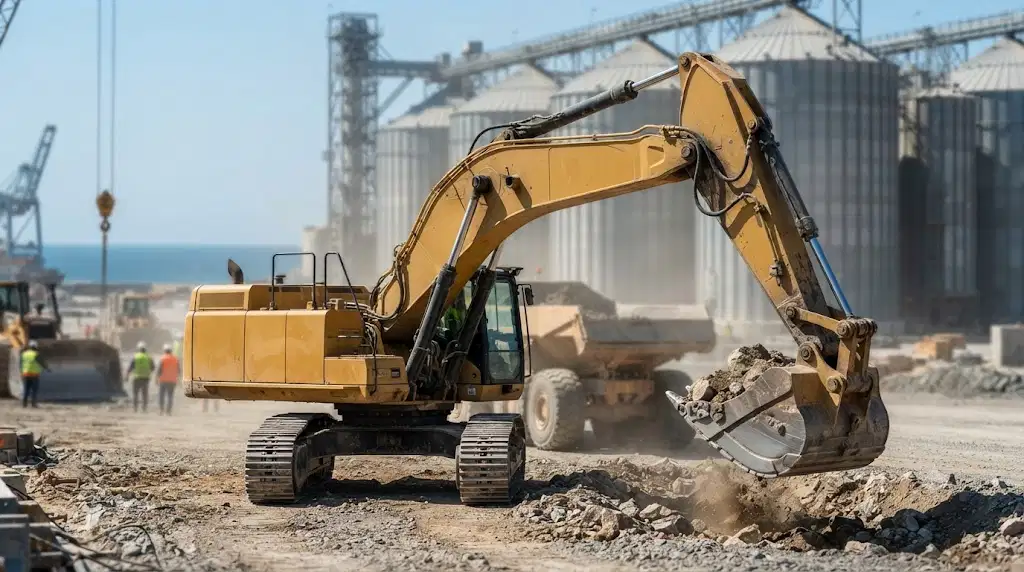
It needs constant inbound and outbound flow. Urea and DAP plants need daily inbound sulphur, rock phosphate, and potash by truck or rail. If a bridge is damaged or a key highway is closed for security, those trucks don’t arrive. On the outbound side, finished fertilizer must move immediately to port storage — most plants only have 10-15 days of warehouse capacity. If the port is congested or the road to the port is cut, the plant has to slow down or stop.
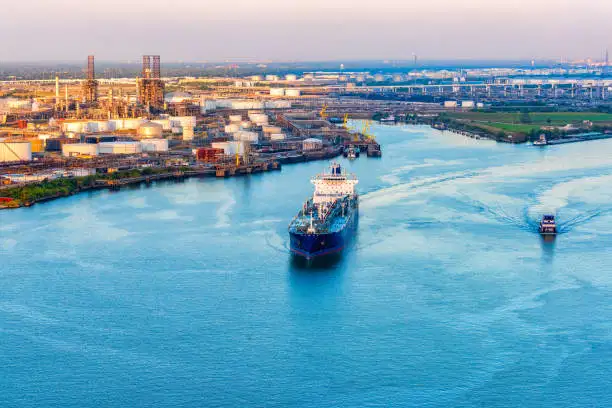
Ports are not interchangeable for fertilizer. You can’t just truck 20,000 MT of urea 400km to another port. You need specialized bulk handling, bagging lines, and deep-draft berths. If your primary loading port — like Jebel Ali, Mesaieed, or Aqaba — is operating at 50% capacity due to utility or equipment damage, there is no quick alternative.
2. What This Means For Your Urea, DAP and Ammonia Supply
This shift from shipping risk to production risk is why spot offers from the Gulf have dried up in the last 72 hours.
Here is what we are seeing:
Ammonia first, then everything else. Ammonia is the mother product for urea, DAP, and NPK. When ammonia plants reduce rates due to utility instability, urea and DAP availability drops 7-10 days later. If you are buying urea for August, you should be asking your supplier about their ammonia plant status today.
FOB is no longer a firm offer. Several suppliers are now quoting “FOB subject to plant and port operations” instead of firm FOB. That means even if you pay, loading is not guaranteed on your laycan. Buyers are being asked to accept longer loading windows — 10-15 days instead of 3-5 days.
Quality variance is creeping in. When plants restart after a utility trip, the first 24-48 hours of production often have higher moisture or biuret levels in urea. If you are buying on tight specs for blending, you need to insist on fresh COA from the specific batch, not a standard spec sheet.
3. How to Protect Your Fertilizer Supply Chain Right Now
You cannot fix a power grid or a bridge. But you can fix your sourcing map.
1. Source from plants with captive power and gas. Ask your supplier: “Do you have captive power and dedicated gas allocation?” Plants with their own power generation and priority gas contracts are maintaining 90%+ rates. Those dependent on public grid are the ones cutting output.
2. Buy from stock, not from plant. The safest ton right now is a ton that is already produced and sitting in a warehouse in Djibouti, Kandla, or Aqaba. It has already survived the utility risk and the road risk. On our marketplace, we are tagging listings as “Ex-Warehouse: Ready to Dispatch” specifically for this reason. It costs $10-15 more, but it eliminates 80% of the infrastructure risk.
3. Secure bagging and transport at destination before you ship. With multiple vessels delayed, destination ports will be congested when they finally arrive. The importer who has already booked bagging lines and trucks will get their product to market first.
If you have a critical fertilizer requirement for the next 60 days, don’t just ask for a price — ask for a plant and port risk assessment. Post your requirement on our platform with your destination port, and we will connect you with verified suppliers who have physical stock and confirmed loading outside the high-risk infrastructure zones.
In this market, the most expensive fertilizer is the one your supplier could not produce.
Alpha Pinene 95% - Spain CAS: 80-56-8