Corn Gluten Meal (60% Min Protein) - Indonesia CAS: 66071-96-3


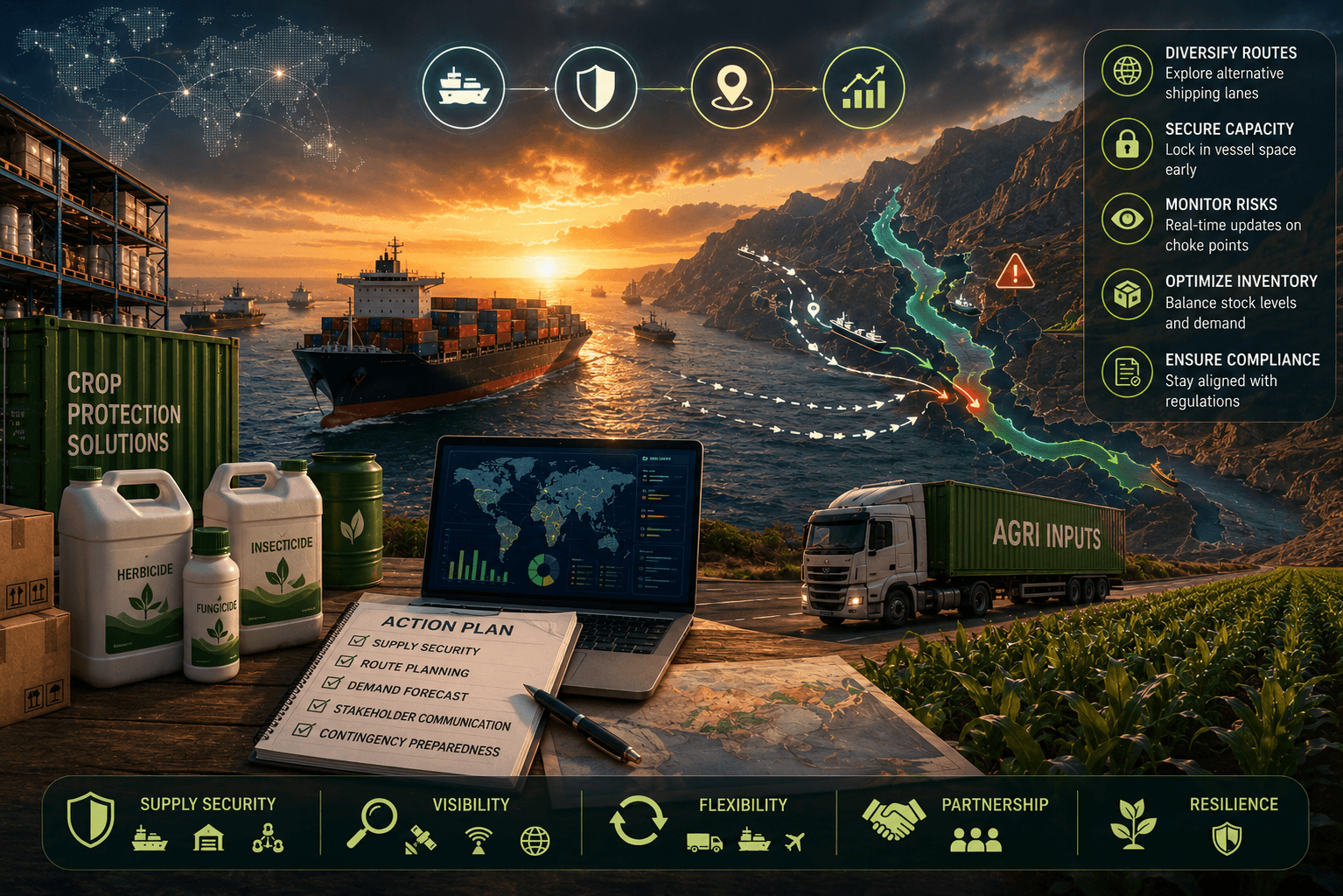
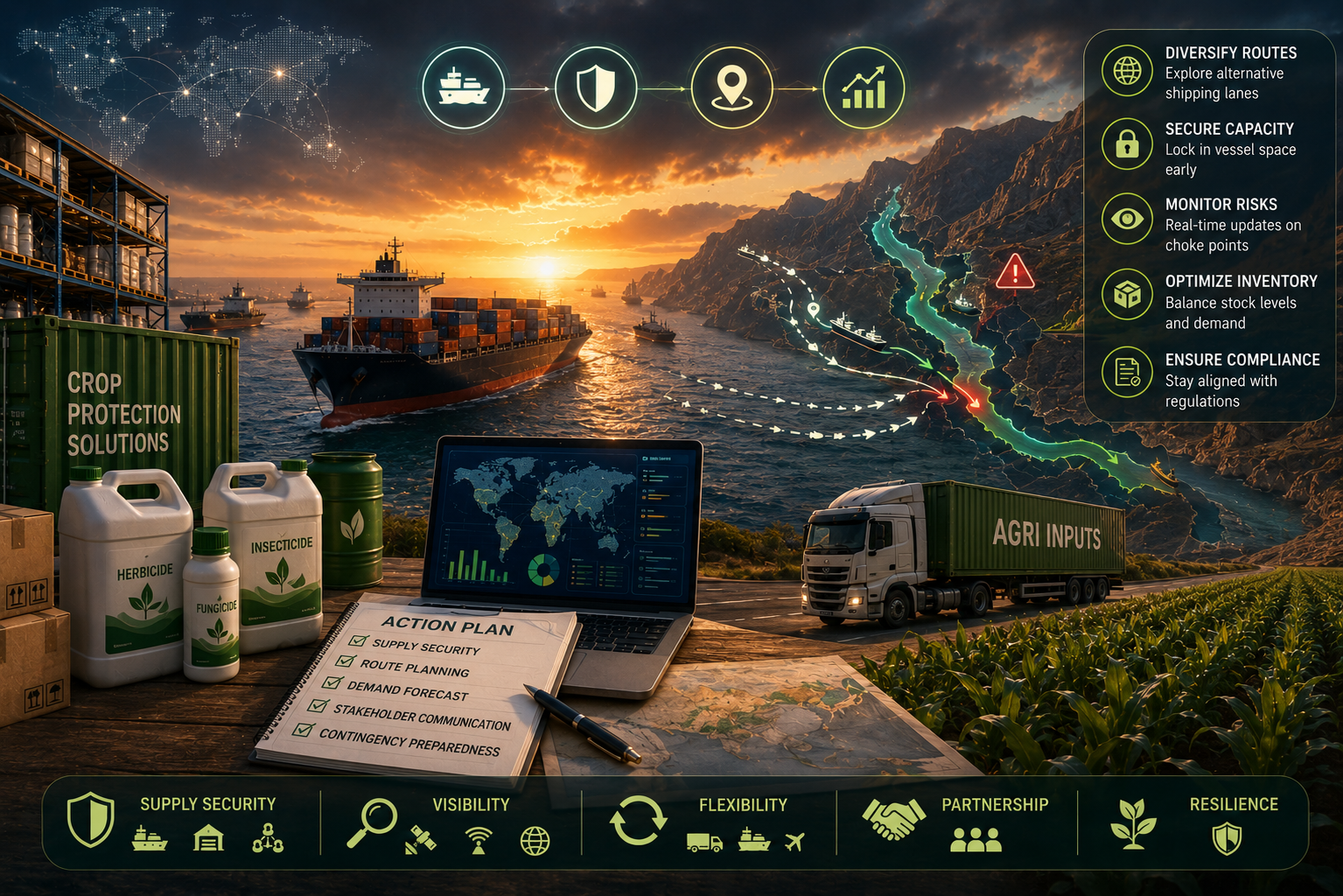
War‑risk insurance premiums for chemical and fertilizer tankers are poised to climb sharply, raising freight costs and forcing shippers to rethink logistics strategies. The new price surge reflects heightened conflict risks in key shipping lanes and a tightening supply of under‑insured vessels. Companies must now balance cost, safety and supply chain resilience in a volatile market.

For the first time in decades, freight costs, insurance premiums and maritime disruptions have eclipsed production economics in shaping global fertilizer prices. This shift signals a new era where logistics economics dictate market dynamics more than crop demand or input costs.
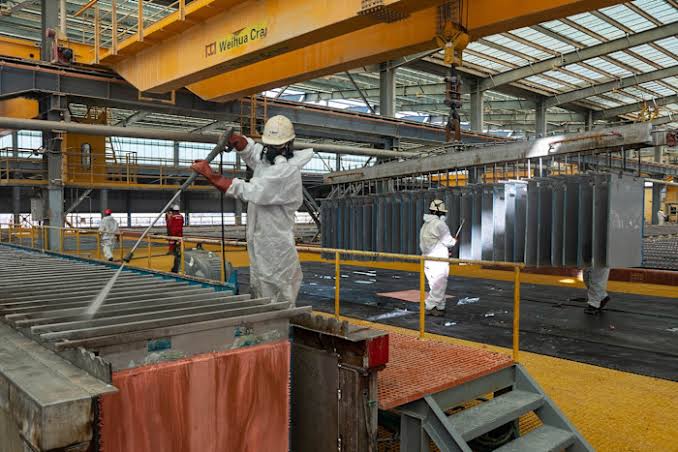
The Hormuz crisis disrupted nearly 45% of global sulfur supply as Gulf refinery by-product exports collapsed for months. With vessel movement now improving, sulfur and sulfuric acid buyers may finally see the first meaningful cost relief in August after one of 2026’s most overlooked supply chain disruptions.

The Kiel Institute’s “Chemical-Food Cascade” framework explains how the 2026 Hormuz crisis is moving beyond chemical supply chains and into food inflation. Fertilizer disruption earlier this year may continue affecting corn, wheat, and sugar-based ingredient costs long after chemical logistics begin recovering.

Three large DAP and MAP vessels have successfully transited the Strait of Hormuz, the longest‑held choke point in global fertilizer shipping. This milestone marks the first tangible evidence of a rebound in physical phosphate supplies after years of volatility. Industry analysts now see a clearer path toward balanced fertilizer markets.

Shippers face a critical routing decision in Q3 2026, weighing the Cape Route’s faster transit against the Hormuz Corridor’s higher insurance costs. Freight rates, geopolitical risk, and delivery windows differ, impacting fertilizer shipping profitability.
We're committed to your privacy. Tradeasia uses the information you provide to us to contact you about our relevant content, products, and services. For more information, check out our privacy policy.