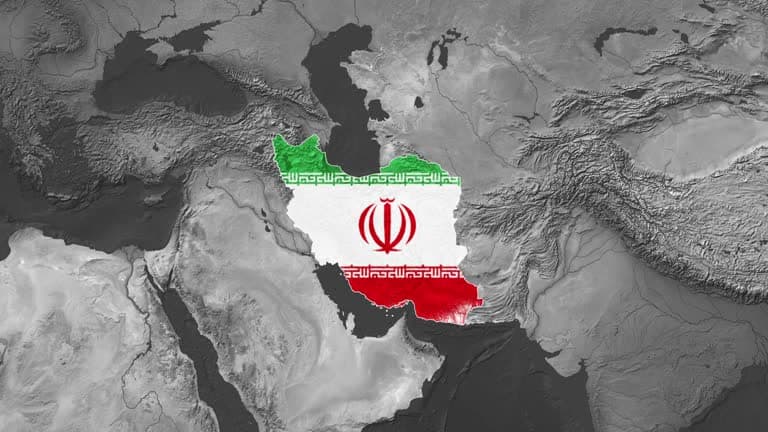
In October 2024, Iran announced a proposed “Hormuz transit service fee” that would be levied on all vessels transiting the Strait of Hormuz. The fee is projected to cost the global chemical market an additional $500–750 million per year, effectively raising the landed cost of Gulf‑origin chemicals. Understanding this new cost layer is essential for buyers, shippers, and supply‑chain managers planning chemical procurement in 2026 and beyond.
Hormuz Service Fees Explained
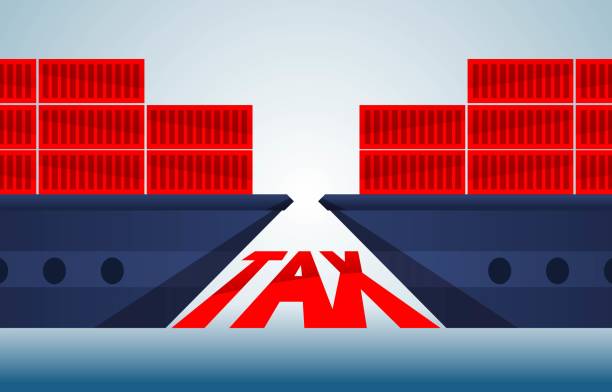
ran’s fee structure is straightforward: a fixed charge per container or per ton of cargo passing through the narrow 30‑mile corridor that connects the Persian Gulf to the Arabian Sea. The proposed rates range from $5 to $10 per container for standard bulk chemicals, with a surcharge for high‑value petrochemicals.
These fees are designed to:
Generate revenue for Iran’s national budget.
Signal a new layer of political leverage over international shipping.
Encourage diversification of shipping routes.
Impact on Chemical Trade Costs
When the fee is applied Besonders to Gulf‑origin chemicals—ethylene, propylene, and downstream plastics—shippers face a higher commodity price. The estimate of $500–750 million annually translates to an average increase of $12–18 per metric ton of petrochemical cargo.
Key effects include:
Higher landed costs for end‑users in Europe, Asia, and the Americas.
Increased manufacturing prices for consumer goods that rely on Gulf chemicals.
Shifted freight patterns, with.aggregate demand for alternative routes such as the cure of the Cape of Good Hope or the Suez Canal.
Petrochemical Freight Risk
The fee compounds an already volatile freight environment. Shipping companies must now account for a fixed cost that is independent of distance or weather, making budgeting more complex.
Risk‑adjusted freight rates are likely to rise by 3–5% as carriers hedge against potential delays or sanctions. This volatility trickles down to contract negotiations, where buyers might demand higher freight terms or seek guaranteed rates through long‑term agreements.
Long‑Term Implications for 2026 Chemical Procurement
By 2026, the cost impact is expected to persist as long as Iran maintains the fee. Companies will need to adapt their procurement strategies:
Supplier diversification:
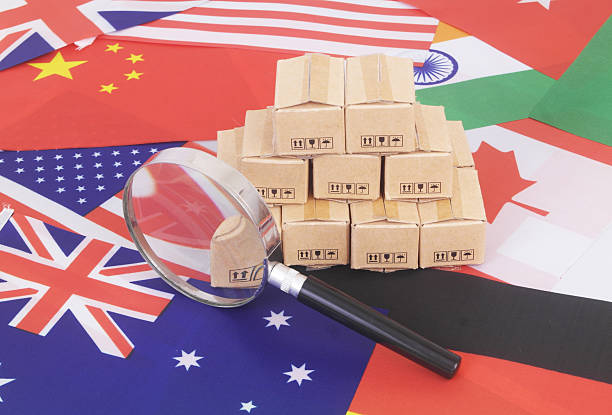
Sourcing from non‑Gulf producers such as Russia, the United States, or the EU to mitigate the fee.
Investing in regional storage to buffer against price spikes.
Exploring alternative logistics solutions, such as inland rail or barge shipments, to bypass the Strait entirely.
Strait of Hormuz Logistics
Logistics planners must incorporate the fee into their cost models. The fee introduces a fixed component that can distort optimal ship size and routing decisions. For example, a 40‑ft container might become less economical than a 20‑ft container when the fee is applied uniformly.
Moreover, the fee increases the incentive for carriers to use dual‑hull designs or to invest in better navigation technology to reduce transit time, thereby offsetting some of the additional cost.
Mitigation Strategies
Proactive measures can help companies reduce the financial burden:
Long‑term freight contracts: Locking in rates before the fee is fully implemented can secure lower costs.
Insurance hedging: Purchasing political risk insurance to cover potential fee increases or sanctions.
Supply‑chain collaboration: Working with shipping lines to share cost information and explore cost‑sharing mechanisms.
Methanol CAS: 67-56-1