Basic Chromium Sulphate CAS: 10101-53-8
Basic Chromium Sulphate CAS: 10101-53-8
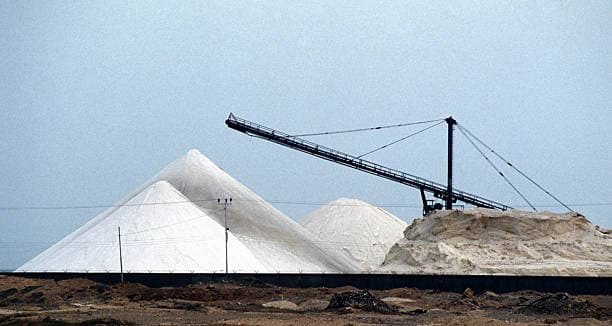
China’s ongoing ban on phosphate exports pushes global fertilizer markets into uncertainty, tightening DAP and MAP supplies, reshaping shipping routes, and forcing buyers to rethink procurement strategies. The ripple effect underscores the fragility of the agricultural input supply chain.

Government efforts to improve fertilizer affordability continue despite renewed market volatility. Procurement professionals and agricultural businesses should understand how long-term policy initiatives can strengthen supply resilience even when short-term prices remain elevated.

Ongoing concerns over potential tariff actions on Canadian potash imports continue to influence US wholesale fertilizer prices. Procurement professionals should understand how trade policy uncertainty is affecting sourcing decisions, pricing and long-term supply planning.
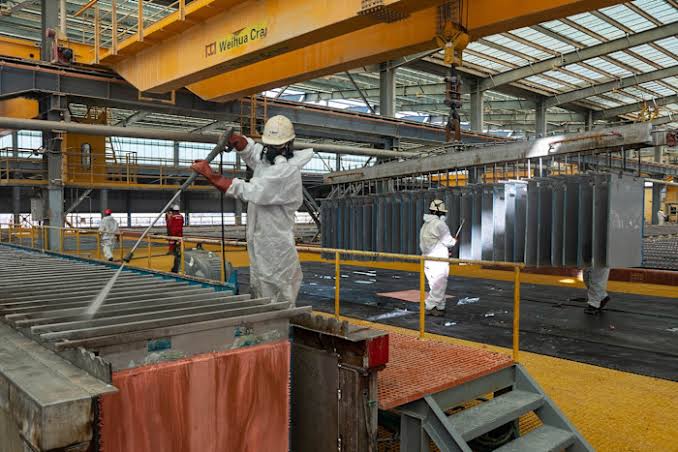
The Hormuz crisis disrupted nearly 45% of global sulfur supply as Gulf refinery by-product exports collapsed for months. With vessel movement now improving, sulfur and sulfuric acid buyers may finally see the first meaningful cost relief in August after one of 2026’s most overlooked supply chain disruptions.

As Ras Laffan resumes fertilizer exports, QAFCO is expected to prioritize long-term contract customers before spot buyers. Understanding the export queue can help ammonia and urea importers secure timely July shipments.
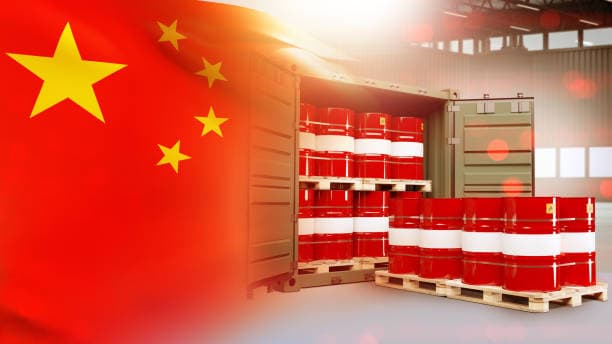
China’s urea export limits and aggressive methanol-to-olefins (MTO) rates set the stage for 2026 chemical flows. July pricing decisions will reveal whether China will defend its crisis‑era share or recalibrate toward market balance. Global buyers must watch China’s export strategy closely.
We're committed to your privacy. Tradeasia uses the information you provide to us to contact you about our relevant content, products, and services. For more information, check out our privacy policy.
Contact us
Download Our Mobile App