Gulf's 34-50% Share of Seaborne Urea Exports Back Under Threat
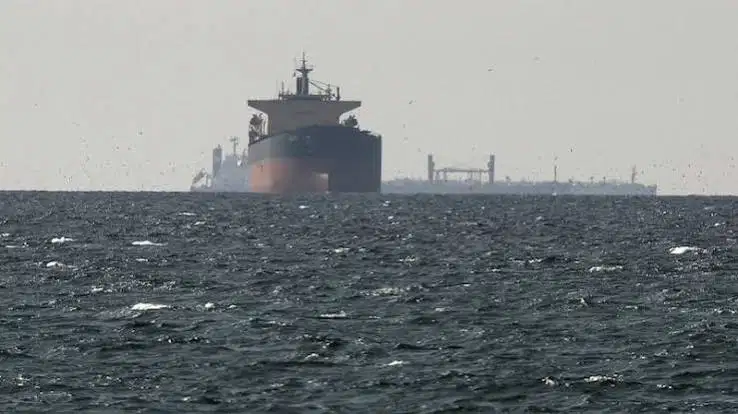
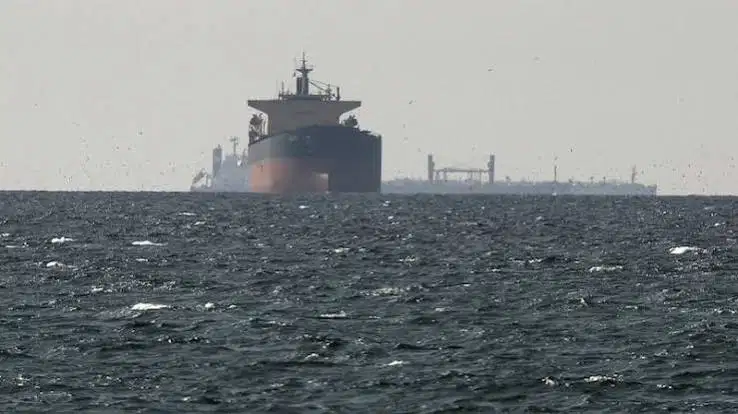
The Persian Gulf region, which accounts for approximately 34% to 50% of global seaborne urea exports, is once again facing serious disruption risks. Major producers such as Qatar Fertiliser Company (QAFCO) and Saudi Arabia’s Ma’aden are at the center of this vulnerability as tensions in the Strait of Hormuz escalate.
Gulf's 34-50% Share of Seaborne Urea Exports Back Under Threat
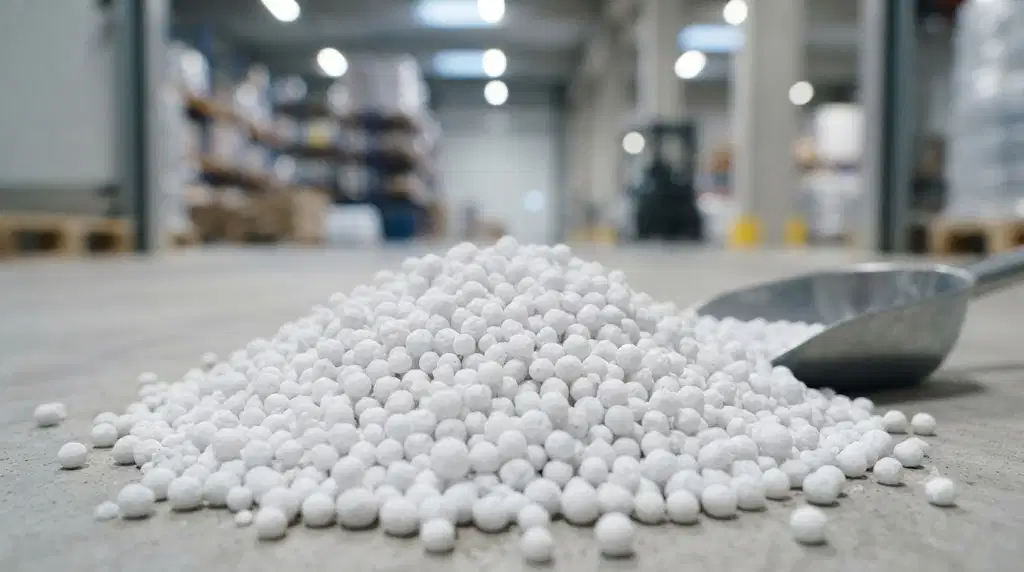
Urea is the world’s most widely used nitrogen fertilizer, critical for global food production. The Gulf’s dominant position in seaborne trade makes any disruption in the region highly impactful for agricultural markets worldwide.
Why the Gulf Dominates Urea Exports
Feedstock Advantage: Access to abundant, low-cost natural gas feedstock gives Gulf producers a strong competitive edge.
Large-Scale Plants: World-class facilities with massive production capacity, including QAFCO in Qatar and Ma’aden in Saudi Arabia.
Strategic Location: Proximity to key shipping routes for export to Asia, Africa, Europe, and the Americas.
Established Infrastructure: Advanced port facilities and logistics networks optimized for bulk fertilizer shipments.
Current Risk Factors
Renewed blockade threats and potential cargo fees in the Strait of Hormuz
Rising war risk insurance premiums affecting vessel availability and costs
Potential rerouting around Africa, significantly increasing transit times and expenses
Supply uncertainty impacting contract fulfillment and spot market availability
Global Market Implications
Price Spikes: Reduced Gulf supply typically leads to rapid increases in urea prices on the global market.
Regional Shortages: Import-dependent countries in Asia and Africa are particularly exposed.
Alternative Suppliers: Increased demand on producers in Russia, China, North Africa, and North America.
Farmer Impact: Higher fertilizer costs could reduce application rates and pressure crop yields in the coming seasons.
Strategic Responses for Buyers
Source Diversification: Aggressively seek urea from non-Gulf origins to reduce exposure.
Inventory Management: Build strategic reserves where feasible.
Contract Flexibility: Prioritize agreements with flexible delivery terms and force majeure protections.
Hedging Strategies: Use futures and derivatives to manage price volatility.
Long-term Planning: Support investments in new production capacity outside high-risk zones.
Outlook
The Gulf’s 34-50% share of seaborne urea exports remains a structural feature of the global fertilizer market, but its reliability is once again being tested. Until maritime security in the Strait of Hormuz stabilizes, urea buyers must operate under heightened risk conditions and prepare for continued volatility.
This situation reinforces the need for greater geographic diversification in global fertilizer production to enhance long-term food security.
Boric Acid (99.9% Granular) - Peru CAS: 10043-35-3