

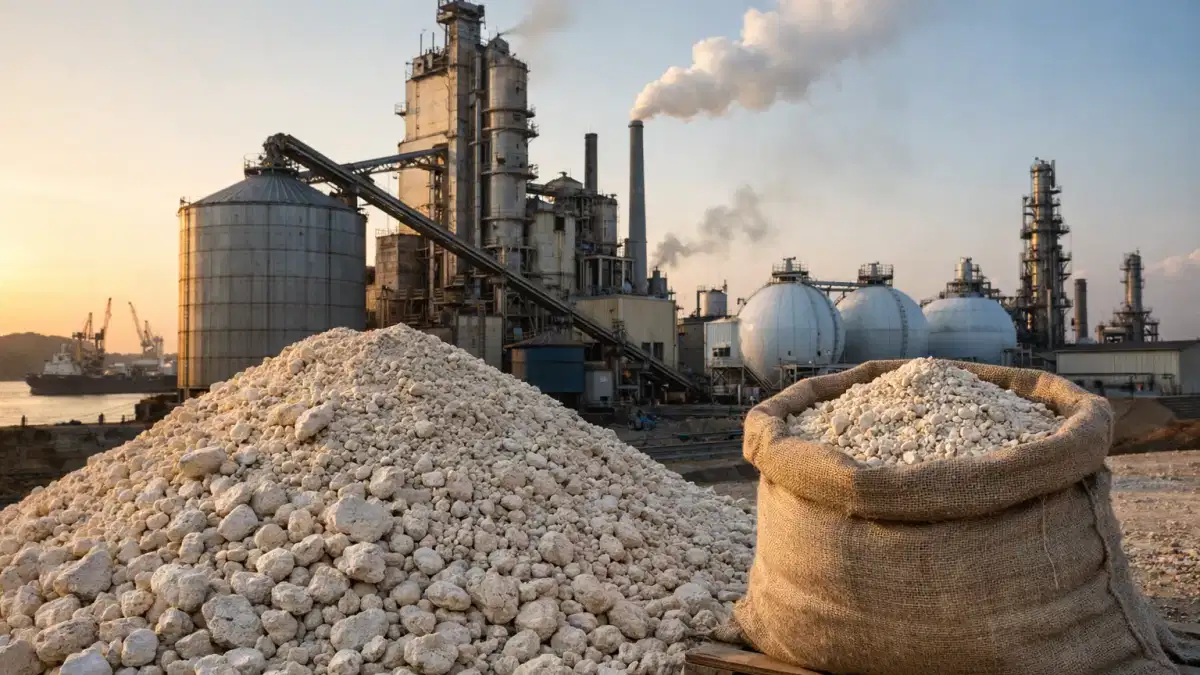
China’s decision to withhold phosphate exports until August is tightening the world’s most vital crop nutrient supply. The move is driving up fertilizer prices, raising crop input costs, and creating ripple effects across global food supply chains. Farmers and food companies must adapt to this new uncertainty.
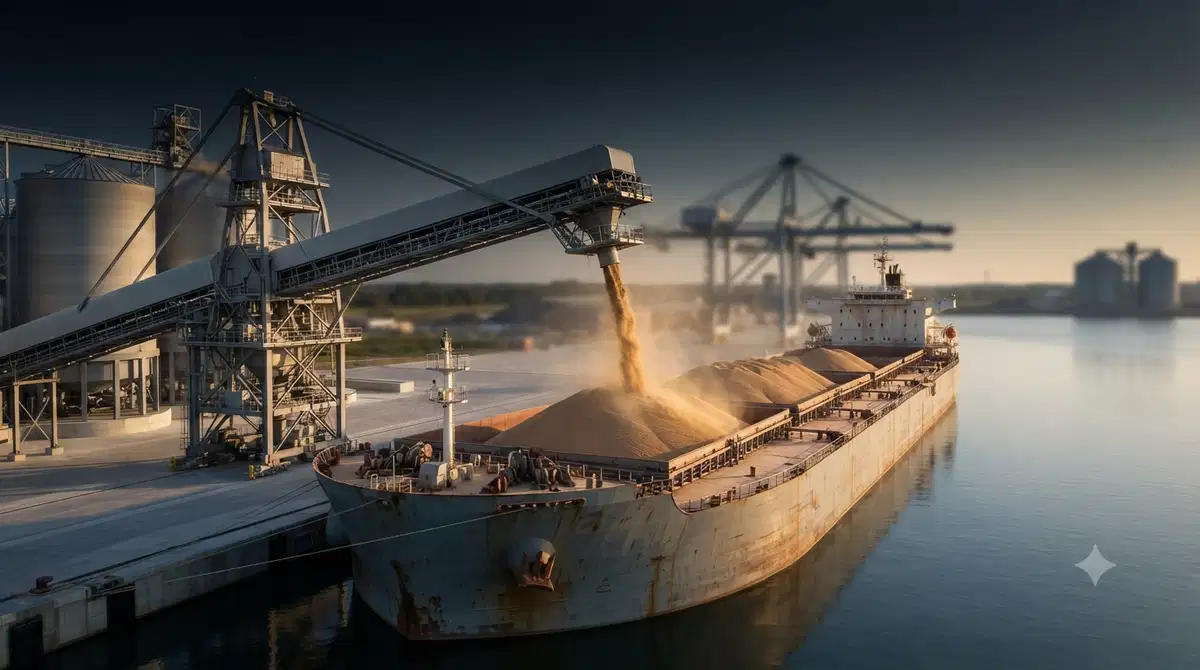
The global agricultural landscape is underpinned by the consistent and strategic supply of essential nutrients. For a major agricultural and emerging economic powerhouse like Indonesia, securing the raw materials for fertilizer production is a matter of national food security and economic stability.
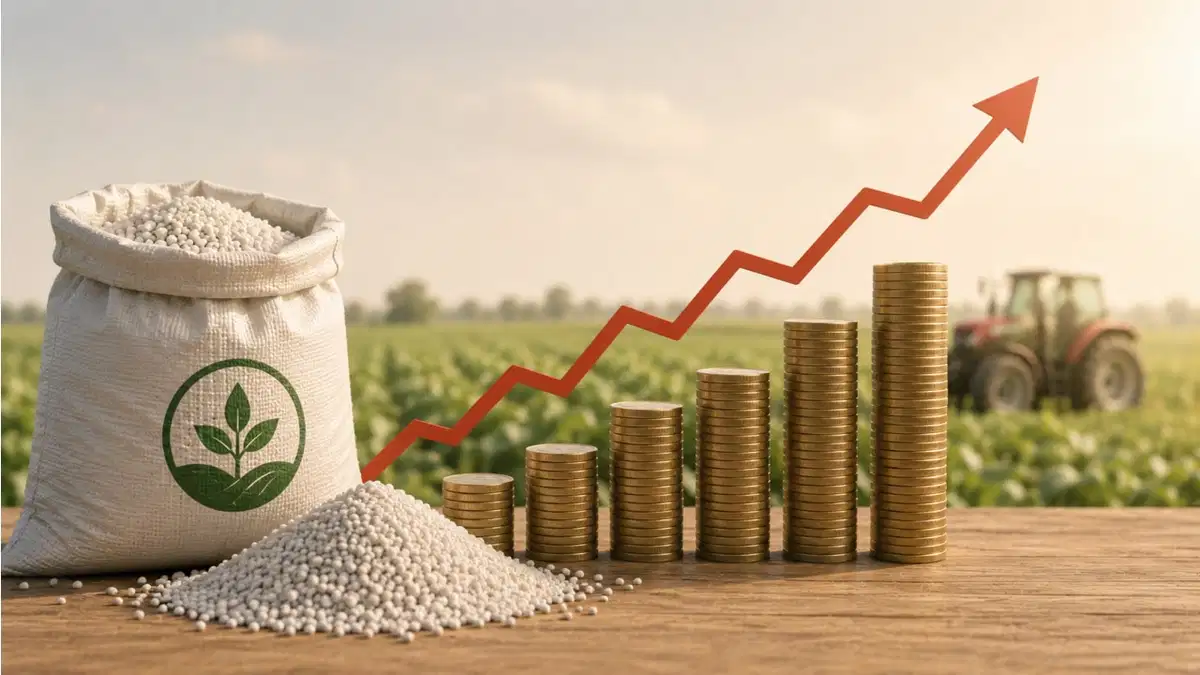
Government efforts to improve fertilizer affordability continue despite renewed market volatility. Procurement professionals and agricultural businesses should understand how long-term policy initiatives can strengthen supply resilience even when short-term prices remain elevated.

Ongoing concerns over potential tariff actions on Canadian potash imports continue to influence US wholesale fertilizer prices. Procurement professionals should understand how trade policy uncertainty is affecting sourcing decisions, pricing and long-term supply planning.

The USDA's $500 million FIELDS program continues to support domestic fertilizer production through project funding and accelerated development. Procurement professionals should understand how the initiative could influence fertilizer availability, pricing and long-term supply security.
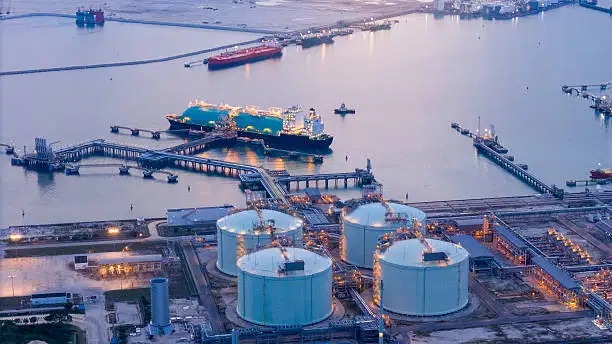
The recent persistence of DAP price strength underscores a tightening phosphate supply chain, heightened global fertilizer demand, and growing procurement risks for agriculture stakeholders. As phosphate trade remains constrained, buyers must reassess sourcing strategies amid volatile market conditions.
We're committed to your privacy. Tradeasia uses the information you provide to us to contact you about our relevant content, products, and services. For more information, check out our privacy policy.