
Fertilizer Prices Fall for a Fifth Straight Week, Yet Farmers Still Face Historically High Costs
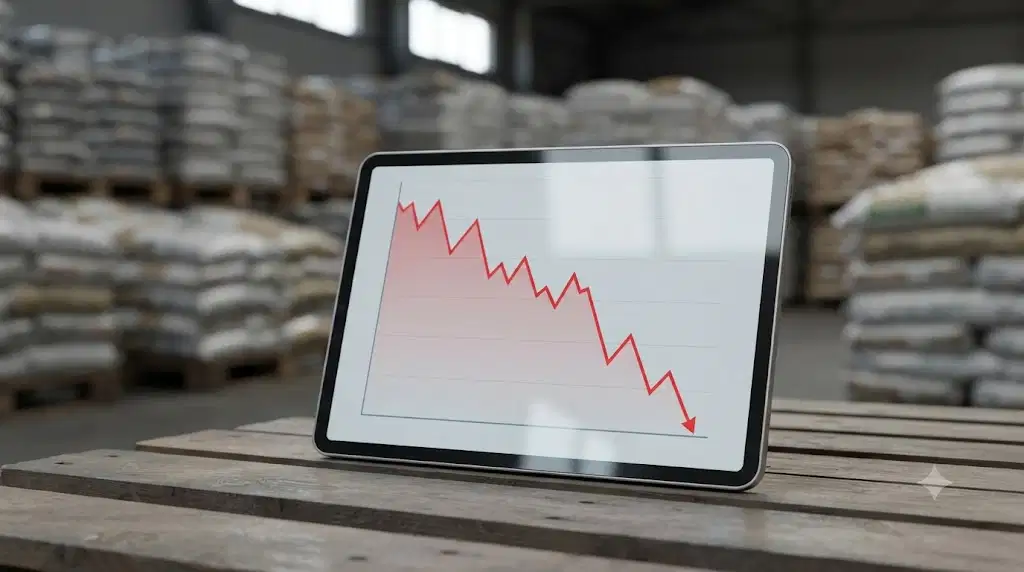
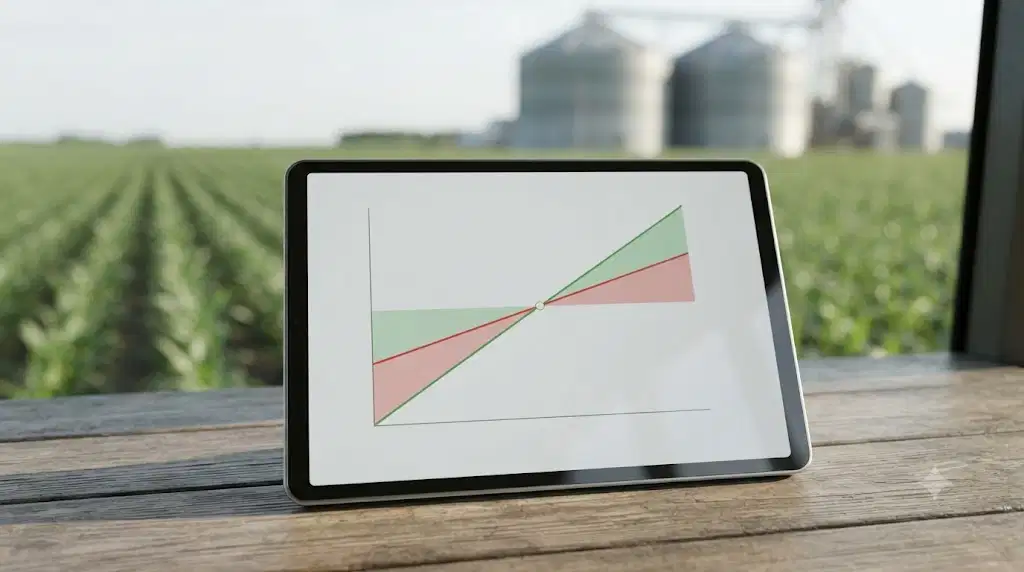
U.S. retail fertilizer prices have declined for the fifth consecutive week, offering some relief to farmers. However, despite the recent downward trend, all eight major fertilizers tracked remain more expensive than they were a year ago, with anhydrous ammonia showing a significant 34% increase year-over-year.
Fertilizer Prices Fall for a Fifth Straight Week, Yet Farmers Still Face Historically High Costs
The recent price softening comes as a welcome development during a critical period for crop planning and input purchasing. However, the broader picture remains challenging for American agriculture.
Current Market Snapshot
Prices have declined for five straight weeks across most major fertilizer categories.
Anhydrous ammonia has seen the sharpest year-over-year increase at +34%.
All major fertilizers (including DAP, MAP, potash, UAN, and urea) are still trading above 2025 levels.
Regional variations exist, with some areas experiencing more pronounced price relief than others.
Why Prices Are Falling
Several factors are contributing to the recent decline:
Improved global supply availability
Lower natural gas prices supporting reduced production costs
Seasonal demand patterns
Increased imports, including recent duty suspensions on certain materials
Why Costs Remain Historically High
Despite the recent easing, fertilizer expenses continue to strain farm budgets because:
Baseline prices are still elevated compared to pre-2022 levels
Anhydrous ammonia — a critical nitrogen source — remains substantially more expensive
Cumulative input cost pressure over multiple seasons has reduced farmer profitability
Other production costs (fuel, equipment, labor) remain high

Implications for Farmers and Retailers
Purchasing Strategy: Many growers are taking advantage of the recent price dips to secure needs for the coming season, while remaining cautious about locking in too early.
Budget Pressure: Even with the decline, high fertilizer costs continue to influence planting decisions and farm profitability calculations.
Cash Flow Management: Retailers and cooperatives are working closely with farmers to offer flexible payment terms and risk management tools.
Market Outlook
The fertilizer market remains highly sensitive to global energy prices, geopolitical developments, and weather patterns in major producing regions. While the five-week decline provides breathing room, most analysts expect prices to stay above long-term averages for the foreseeable future.
Strategic Considerations
Farmers and input suppliers should:
Monitor price trends closely over the next several weeks
Compare current prices against budget projections
Consider forward contracting where it makes sense
Explore precision application and variable rate technology to optimize fertilizer use
The recent price decline offers a timely but partial relief. For many farmers, input costs continue to represent a major challenge to achieving strong profitability in 2026.
Blood Meal CAS: 90989-74-5