
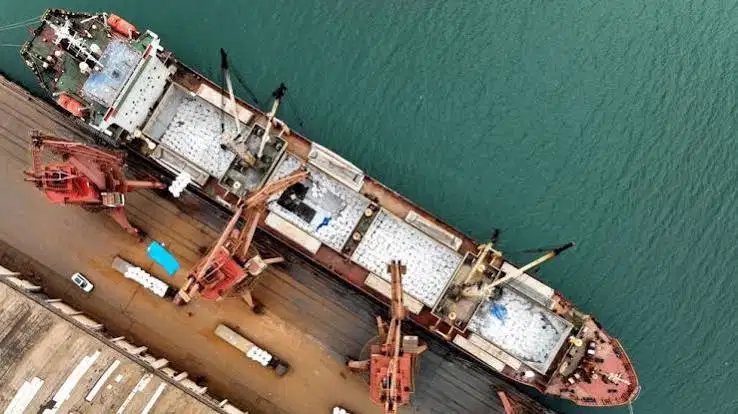
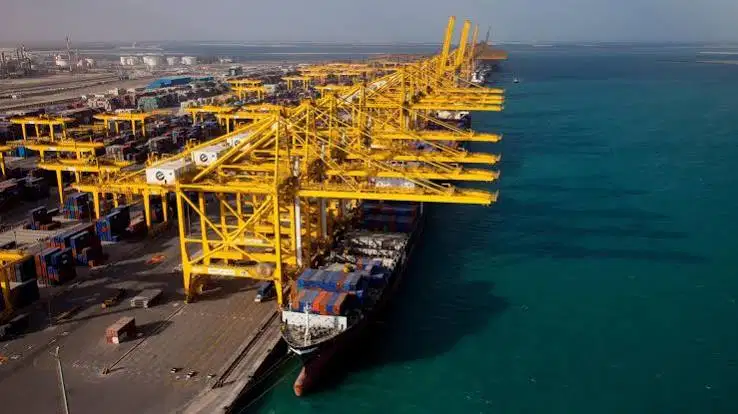


Erythritol procurement has entered a new pricing phase as agricultural input costs influence fermentation feedstocks across global supply chains. Procurement teams that understand the connection between fertilizer markets, corn prices and glucose costs can build more resilient sourcing strategies for H2 2026.

War‑risk insurance premiums for chemical and fertilizer tankers are poised to climb sharply, raising freight costs and forcing shippers to rethink logistics strategies. The new price surge reflects heightened conflict risks in key shipping lanes and a tightening supply of under‑insured vessels. Companies must now balance cost, safety and supply chain resilience in a volatile market.

Debate over the EPA's updated diesel emissions proposal continues as industry groups argue that the framework does not fully address the needs of small-truck operators and agriculture-dependent businesses. Procurement professionals should understand how regulatory changes could affect fertilizer logistics and transportation costs.

China's decision to delay phosphate exports until August, following earlier urea export restrictions, is influencing global fertilizer markets without formal trade bans. Procurement professionals should understand how export timing has become an increasingly important factor in supply chain planning.
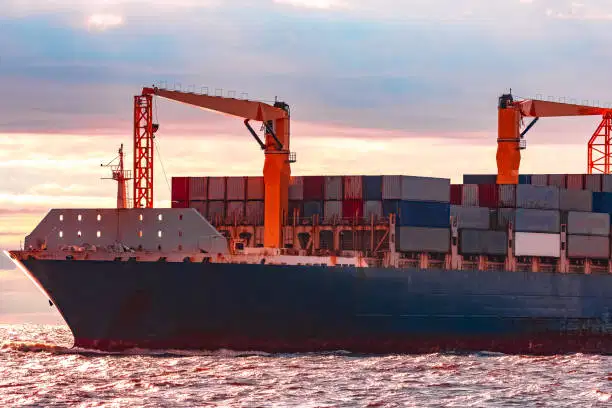
As freight and logistics rates climb, farmers find their break‑even points shrinking, forcing reevaluation of fertilizer purchases and supply chain strategies. This article explores how transport shocks ripple through farm economics, input costs, and overall profitability.

China continues to restrict urea and phosphate exports until August 2026. This prolonged halt removes millions of tons from global markets and forces procurement teams to secure alternative fertilizer supplies immediately.
We're committed to your privacy. Tradeasia uses the information you provide to us to contact you about our relevant content, products, and services. For more information, check out our privacy policy.