Dyno Nobel Sells Phosphate Hill for AUS$1: What a Nominal-Price Divestment Really Means
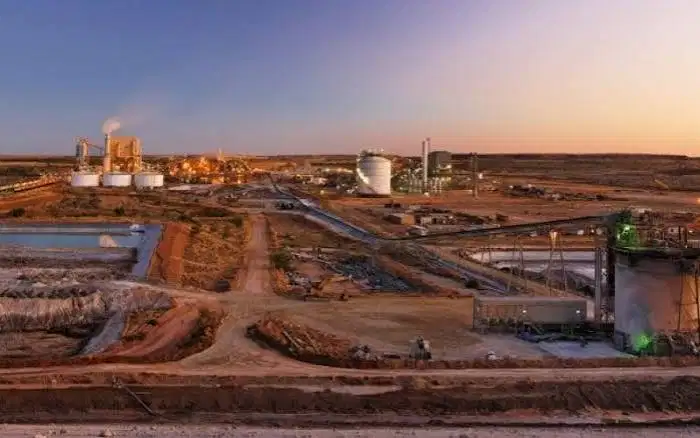
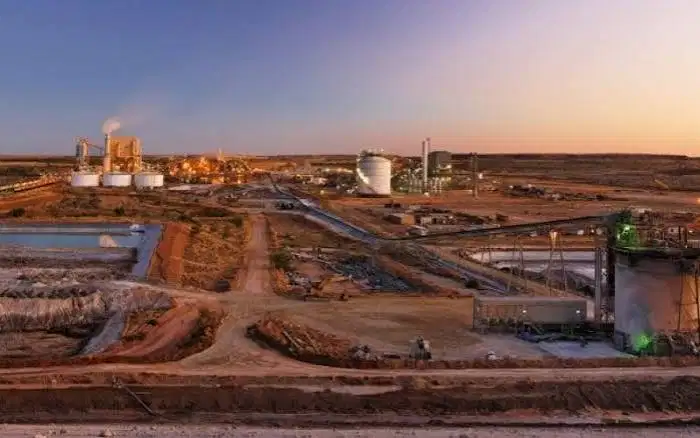
In a notable transaction, Australian explosives and chemicals company Dyno Nobel has sold its Phosphate Hill plant to Mayfair for a nominal price of just AUS$1. While the headline price appears symbolic, this type of divestment usually signals significant underlying commercial and operational realities.
Dyno Nobel Sells Phosphate Hill for AUS$1: What a Nominal-Price Divestment Really Means
Selling an industrial asset for a token amount like one Australian dollar is rarely about the literal sale price. Instead, it often reflects a strategic decision where the seller seeks to exit an operation while the buyer assumes substantial future obligations.
Why Companies Sell Assets for $1
High Remediation and Environmental Liabilities: Phosphate Hill likely carries significant legacy environmental responsibilities, site cleanup costs, or ongoing compliance expenses that outweigh the plant’s current market value.
Operational Challenges: The facility may have been facing high production costs, aging infrastructure, or challenging market conditions for phosphate products.
Strategic Refocus: Dyno Nobel, primarily an explosives manufacturer, may be streamlining its portfolio to focus on core mining and commercial explosives businesses.
Risk Transfer: By transferring ownership, the seller shifts future operational, regulatory, and financial risks to the new owner.
What Mayfair Is Taking On
The buyer, Mayfair, is acquiring not just the physical assets but also the associated liabilities, workforce obligations, and future capital expenditure requirements. Such deals are common when the cost of maintaining or shutting down a facility exceeds its ongoing value.
Implications for the Australian and Global Phosphate Market
Supply Chain Stability: The change in ownership could lead to operational improvements or, conversely, temporary uncertainty in phosphate supply from the site.
Regional Fertilizer Dynamics: Phosphate Hill has historically been an important producer of ammonium phosphates for the domestic and export fertilizer markets.
Industry Consolidation: This transaction reflects broader trends of portfolio optimization among large chemical and mining services companies.
Lessons for Chemical Industry Investors and Operators
Nominal-price divestments like this serve as important market signals. They often indicate:
Assets reaching the end of their economic life under previous ownership
Rising environmental, social, and governance (ESG) compliance costs
Increasing difficulty in maintaining profitability in certain commodity chemical segments
Opportunities for specialized operators or private investors willing to take on turnaround projects
Strategic Takeaways
For procurement teams and fertilizer buyers, this development is worth monitoring closely. Changes in ownership at key production sites can lead to shifts in pricing, product quality standards, and supply reliability in the short to medium term.
This AUS$1 sale highlights a growing trend across the chemical industry: legacy assets with high environmental footprints are becoming increasingly difficult to operate profitably, prompting major players to exit or restructure non-core operations.