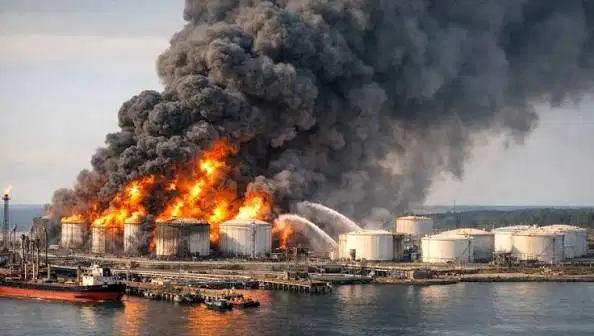
Bridges, Utilities and Ports Now Under Attack: Petrochemical Infrastructure Risk Widens
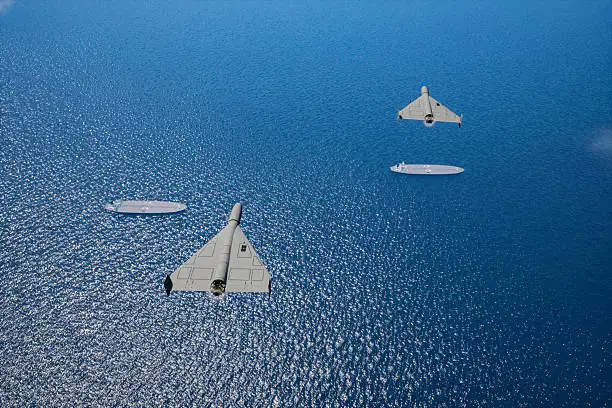
The ongoing conflict has broadened beyond traditional military targets to include critical civilian infrastructure such as bridges, utilities, and port facilities. This expansion significantly widens the risk profile for the petrochemical industry and global supply chains.
Bridges, Utilities and Ports Now Under Attack: Petrochemical Infrastructure Risk Widens
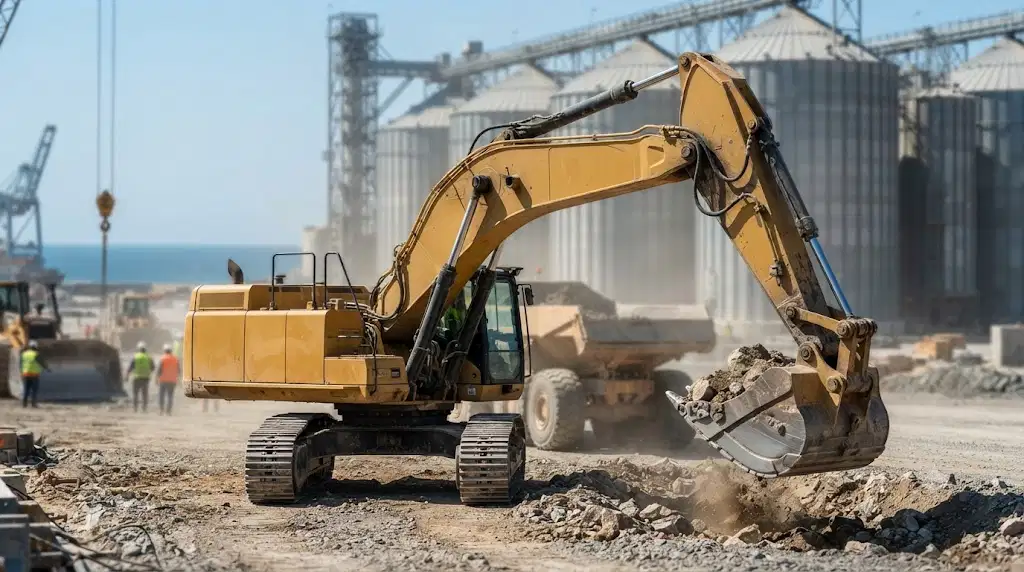
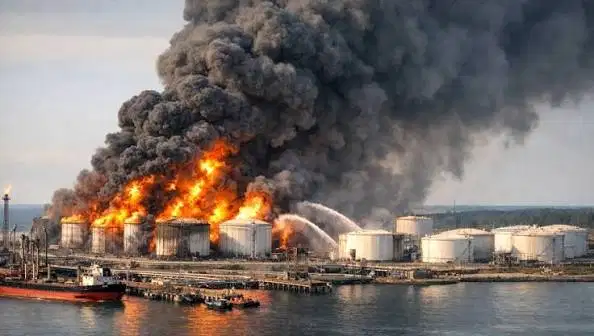
The targeting of dual-use and civilian infrastructure marks a dangerous escalation. Ports are particularly vital for the loading and export of petrochemicals and fertilizers, while utilities provide the power and water necessary for continuous plant operations. Bridges often serve as key links in overland logistics networks.
Why This Expansion Is Significant
When infrastructure essential to commercial operations comes under direct threat, the risk calculus for the entire industry changes. Even facilities not directly hit can face operational disruptions due to power outages, water shortages, or damaged transportation links. This creates a much wider area of vulnerability than strikes limited to military or specific industrial sites.
Direct Implications for Petrochemical and Fertilizer Operations
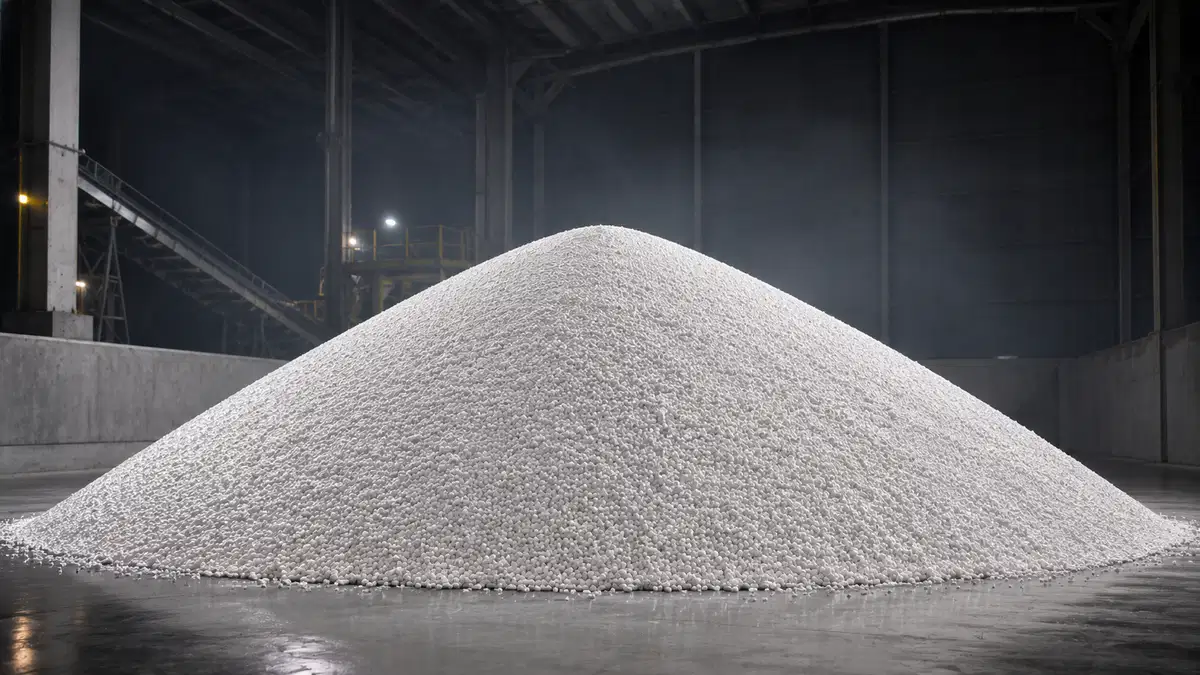
Export Terminals: Damage to ports can halt or delay loading of urea, ammonia, phosphates, and other products.
Power Supply: Utilities attacks can force plants to reduce rates or shut down entirely due to unreliable electricity.
Logistics Networks: Destroyed or damaged bridges complicate overland movement of feedstocks and finished goods.
Insurance and Financing: Broader infrastructure risk is likely to drive further increases in insurance premiums and may affect project financing.
Strategic Challenges for Industry Players
Petrochemical companies and fertilizer producers with assets in or near the region must now plan for more widespread and unpredictable disruptions. This includes developing robust contingency plans for power and water supply, alternative export routes, and rapid response protocols for infrastructure-related incidents.
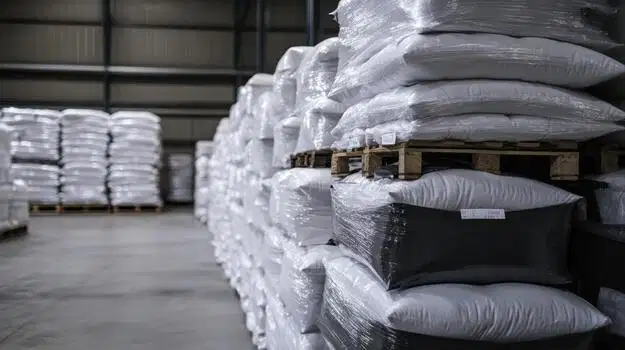
Global buyers are also affected. The widening scope of targets increases the likelihood of supply shortfalls and price volatility for key products. Companies dependent on Gulf-origin materials are accelerating diversification efforts and building additional safety stocks.
Longer-Term Industry Shifts
This escalation is likely to accelerate existing trends toward geographic diversification of production capacity and investment in more resilient supply chain designs. The era of assuming relative stability in critical infrastructure supporting petrochemical trade appears to be ending.
The attacks on bridges, utilities, and ports represent a material widening of risk that petrochemical planners and fertilizer market participants must now incorporate into their core risk models and strategic decision-making.
Crude Palm Kernel Olein CAS: 8023-79-8