

Related Insights

Farm Policy and Fertilizer Cost Relief: Why Long-Term Strategy Must Outlast Short-Term Market Volatility
Government efforts to improve fertilizer affordability continue despite renewed market volatility. Procurement professionals and agricultural businesses should understand how long-term policy initiatives can strengthen supply resilience even when short-term prices remain elevated.
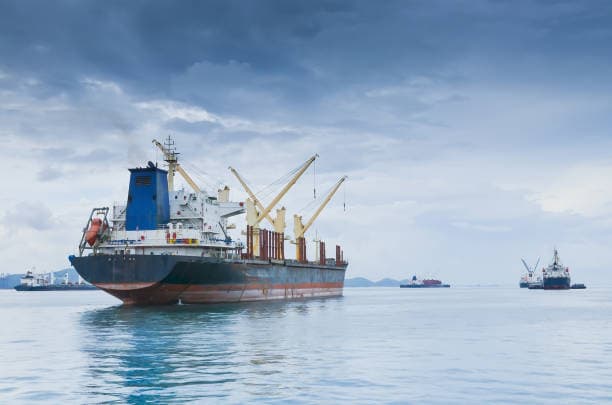
Ceasefire Collapse Reopens Hormuz Shipping Crisis, Threatening Global Supply Chains
The sudden end of a regional ceasefire has formally reopened the Hormuz shipping crisis, କ re‑igniting fears of major disruptions in the Strait of Hormuz. This development threatens to ripple through chemical logistics, tanker operations, freight rates, and global supply chains, especially in the fertilizer sector.

Annaba Port Expansion Boosts Phosphate Exports Ahead of 2027
Algeria’s Annaba port is accelerating its expansion to meet a 2027 deadline, adding thousands of workers and new logistics capacity. The project strengthens the country’s position in the global phosphate market and enhances fertilizer supply chains. Read how the upgrade transforms maritime operations and market dynamics.
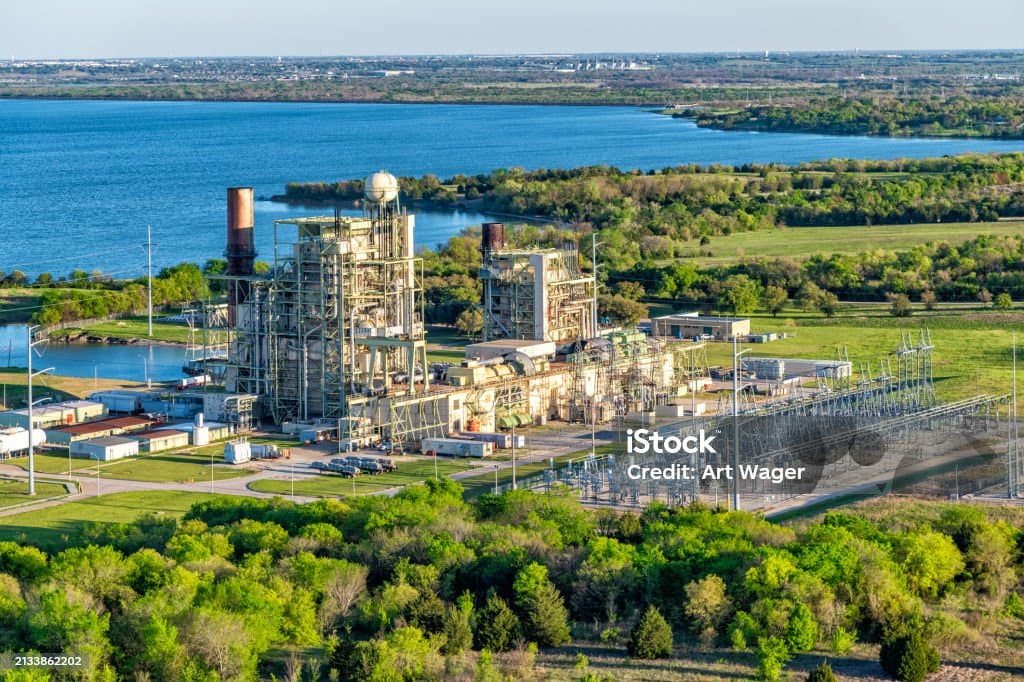
Navigating the 40% Urea Import Dependency & Post-Crisis Policy Shifts
The Congressional Research Service report shows that 40% of U.S. agricultural urea arrives by water, exposing a strategic vulnerability. Legislative responses are reshaping maritime corridors and regional infrastructure. These changes aim to strengthen supply chain resilience for domestic markets.

Qatar Chemical Watch: Diplomatic Ambiguity & Energy Resilience
Qatar sits at the crossroads of geopolitical uncertainty and commercial strain as US‑Iran talks stall and LNG disruptions persist. Chemical buyers now question whether QatarEnergy can honour investment plans and restore export flows while QAFCO navigates force majeure timelines. The outcome will reshape ammonia, urea, and fertilizer pricing across Asia.
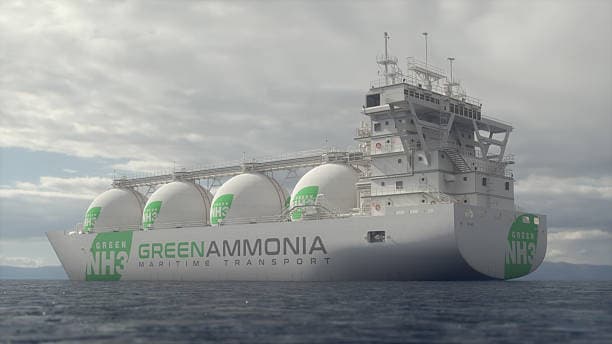
Green Ammonia Market 2026: Gulf Projects Delay First Deliveries to 2027–2028
The Gulf’s ambitious green ammonia projects are facing a shift in timelines, with Saudi Arabia, UAE and Oman moving first commercial deliveries from 2026 to 2027–2028. This delay impacts offtake agreements, market expectations and the broader decarbonisation strategy across the region. TradeAsia explores the implications for investors and industry stakeholders.
Don't miss out on our updates! Subscribe to our newsletter now
We're committed to your privacy. Tradeasia uses the information you provide to us to contact you about our relevant content, products, and services. For more information, check out our privacy policy.