Broken Rice


War‑risk insurance premiums for chemical and fertilizer tankers are poised to climb sharply, raising freight costs and forcing shippers to rethink logistics strategies. The new price surge reflects heightened conflict risks in key shipping lanes and a tightening supply of under‑insured vessels. Companies must now balance cost, safety and supply chain resilience in a volatile market.
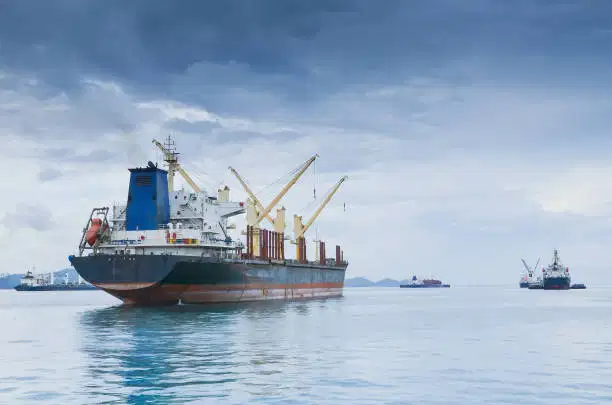
The sudden end of a regional ceasefire has formally reopened the Hormuz shipping crisis, କ re‑igniting fears of major disruptions in the Strait of Hormuz. This development threatens to ripple through chemical logistics, tanker operations, freight rates, and global supply chains, especially in the fertilizer sector.

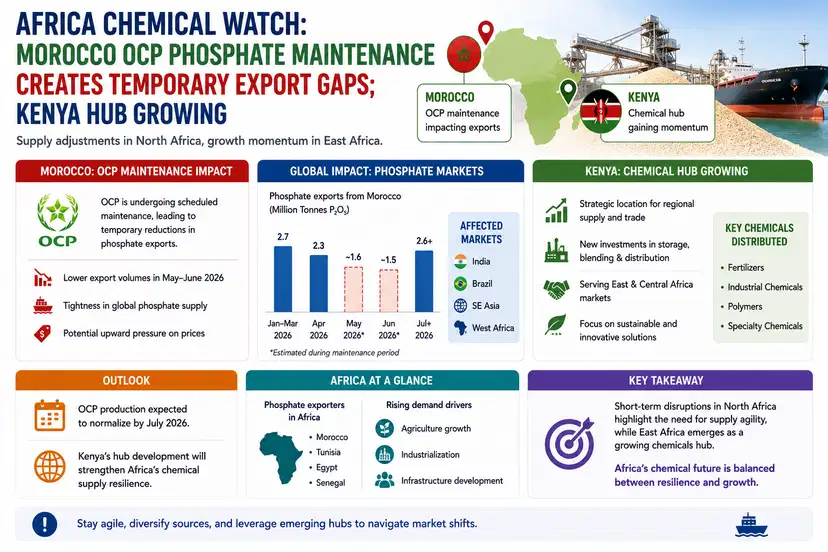
The U.S. administration has temporarily halted customs duties on Moroccan phosphate, a key raw material for fertilizers. This move reshapes import flows, sourcing decisions, and logistics planning for agribusinesses worldwide, with ripple effects across the global phosphate market.
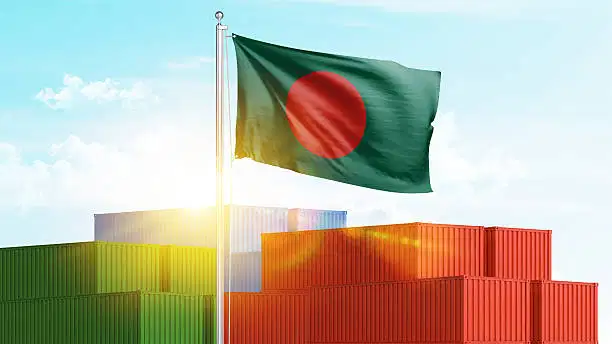
Bangladesh’s Aman rice season has begun, making nitrogen fertilizer availability a national priority. The limited convoy slots from Gulf suppliers force the Bangladesh Chemical Industries Corporation (BCIC) into a high‑stakes race against regional competitors. Delays could trigger a critical fertilizer shortfall for a country feeding over 170 million people.
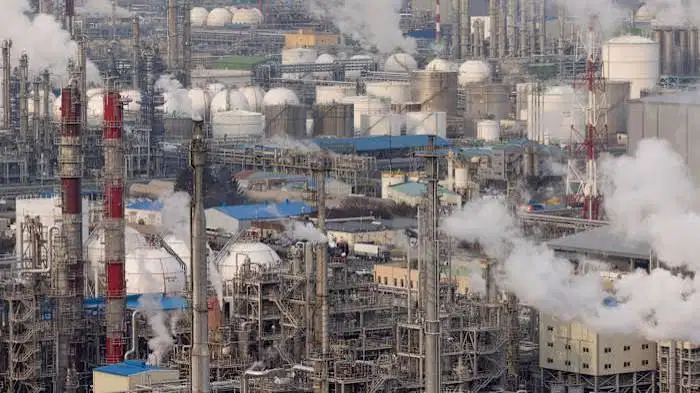
Morocco enters H2 2026 with OCP firmly established as one of the world's most strategically important fertilizer suppliers. The Hormuz disruption strengthened the company's role in global procurement, transforming its Atlantic export route into a long-term competitive advantage.
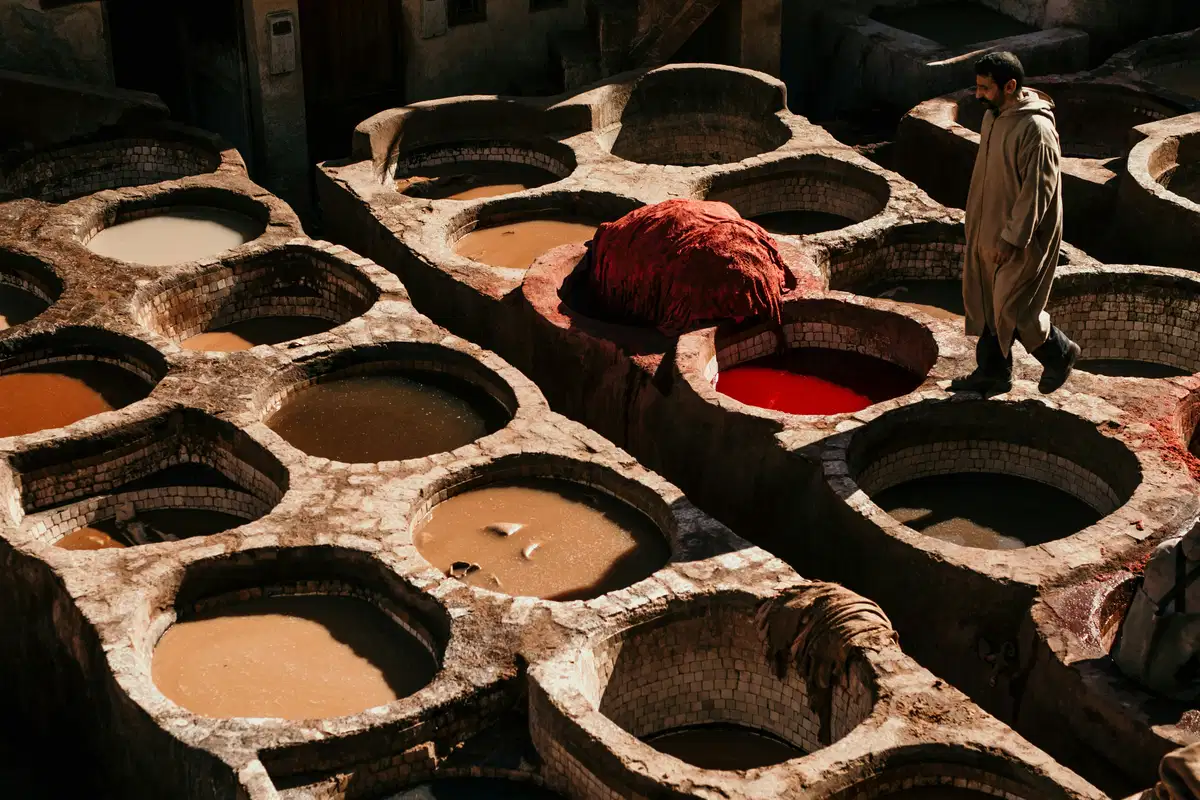
Africa's chemical sector is seeing both opportunities and challenges as fertilizer leaders expand while import-dependent markets face disruptions.
We're committed to your privacy. Tradeasia uses the information you provide to us to contact you about our relevant content, products, and services. For more information, check out our privacy policy.