ADNOC Tanker Casualties Add Human Cost to Gulf Fertilizer Shipping Risk
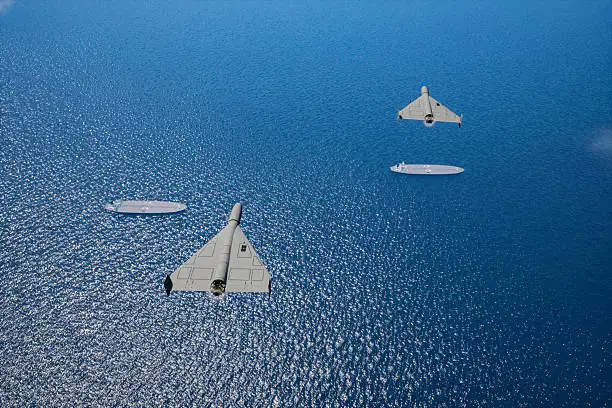
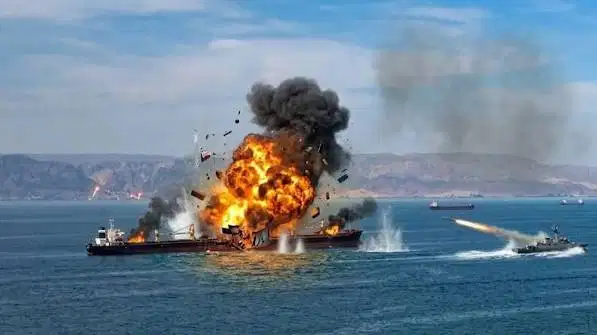
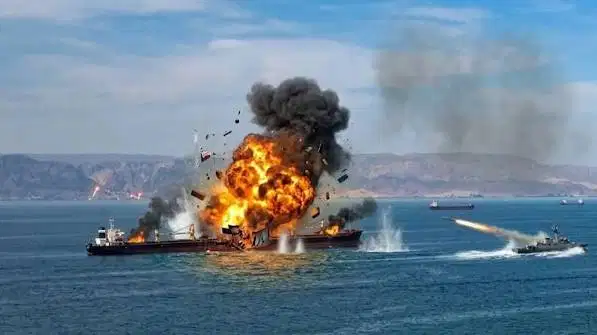
The recent attacks on two ADNOC tankers transiting the Strait of Hormuz have added a tragic human dimension to the already volatile fertilizer shipping situation. One mariner lost their life in the incidents, highlighting the real and immediate dangers faced by crews navigating these critical waters.
Rising Human and Operational Risks
These attacks underscore how geopolitical tensions are directly endangering the lives of seafarers who keep global supply chains moving. ADNOC, a major player in energy and chemicals, operates vessels that frequently carry products linked to the fertilizer industry, including feedstocks and intermediates. The loss of life brings renewed focus on the safety of maritime routes essential for fertilizer trade.
Beyond the human toll, the incidents are intensifying operational challenges. Shipping companies are reassessing risk levels, leading to higher war-risk insurance premiums and greater reluctance to transit the strait. This is forcing many operators to consider longer, more expensive routes around Africa, which adds significant time and cost to deliveries.
Impact on Fertilizer Supply Chains
The attacks further complicate an already strained environment for fertilizer exports from the Gulf region. Major producers shipping urea, ammonia, and phosphates are facing increased uncertainty, with potential delays and higher logistics costs being passed down the supply chain. Importers in Asia, Latin America, and Europe, who rely heavily on these routes, may see tighter availability and rising prices in the coming weeks.
This human and logistical escalation is compounding the pressure on global fertilizer markets, which were already dealing with earlier disruptions. Traders and buyers are now factoring in even higher risk premiums, making secure, timely supply more expensive and difficult to guarantee.
What This Means Moving Forward
The tragic loss of life serves as a sobering reminder of the stakes involved in keeping fertilizer flowing through contested waters. For the industry, it reinforces the urgent need for diversified sourcing strategies and robust contingency planning. As tensions persist, the human and economic costs of these maritime risks will likely continue to shape fertilizer availability and pricing for the foreseeable future.
Stakeholders across the supply chain are urged to prioritize safety, monitor developments closely, and prepare for prolonged volatility in Gulf-related fertilizer trade.