Urea (Granular) - Egypt CAS: 57-13-6
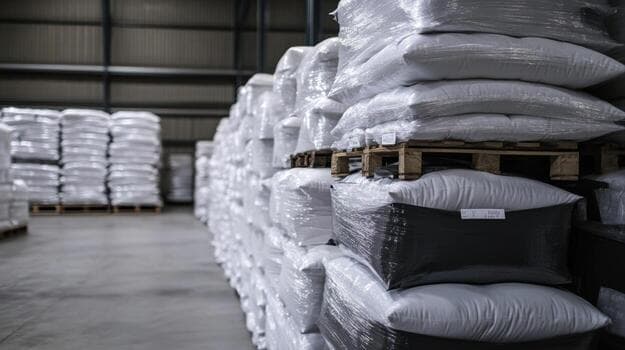
China's decision to delay phosphate exports until August, following earlier urea export restrictions, is influencing global fertilizer markets without formal trade bans. Procurement professionals should understand how export timing has become an increasingly important factor in supply chain planning.
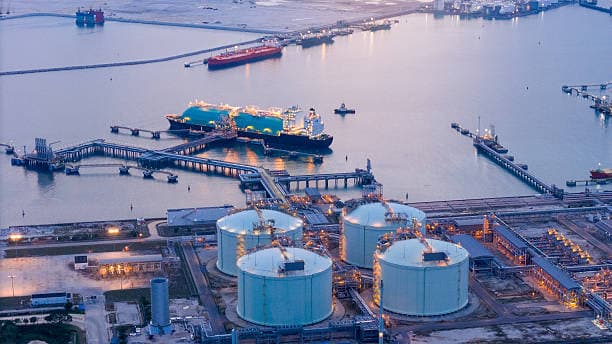
The recent persistence of DAP price strength underscores a tightening phosphate supply chain, heightened global fertilizer demand, and growing procurement risks for agriculture stakeholders. As phosphate trade remains constrained, buyers must reassess sourcing strategies amid volatile market conditions.
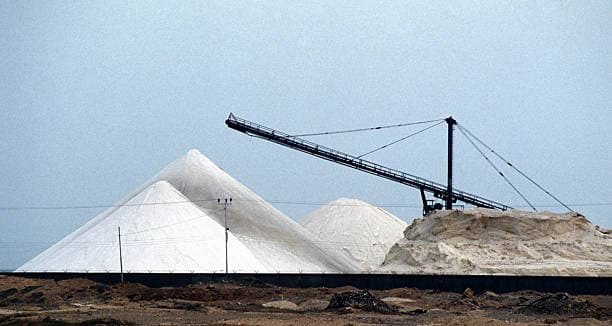
China’s ongoing ban on phosphate exports pushes global fertilizer markets into uncertainty, tightening DAP and MAP supplies, reshaping shipping routes, and forcing buyers to rethink procurement strategies. The ripple effect underscores the fragility of the agricultural input supply chain.

China's expected easing of urea export restrictions could significantly influence global fertilizer markets during Q3 2026. Fertilizer buyers should evaluate procurement timing carefully as additional supply may reshape international pricing.

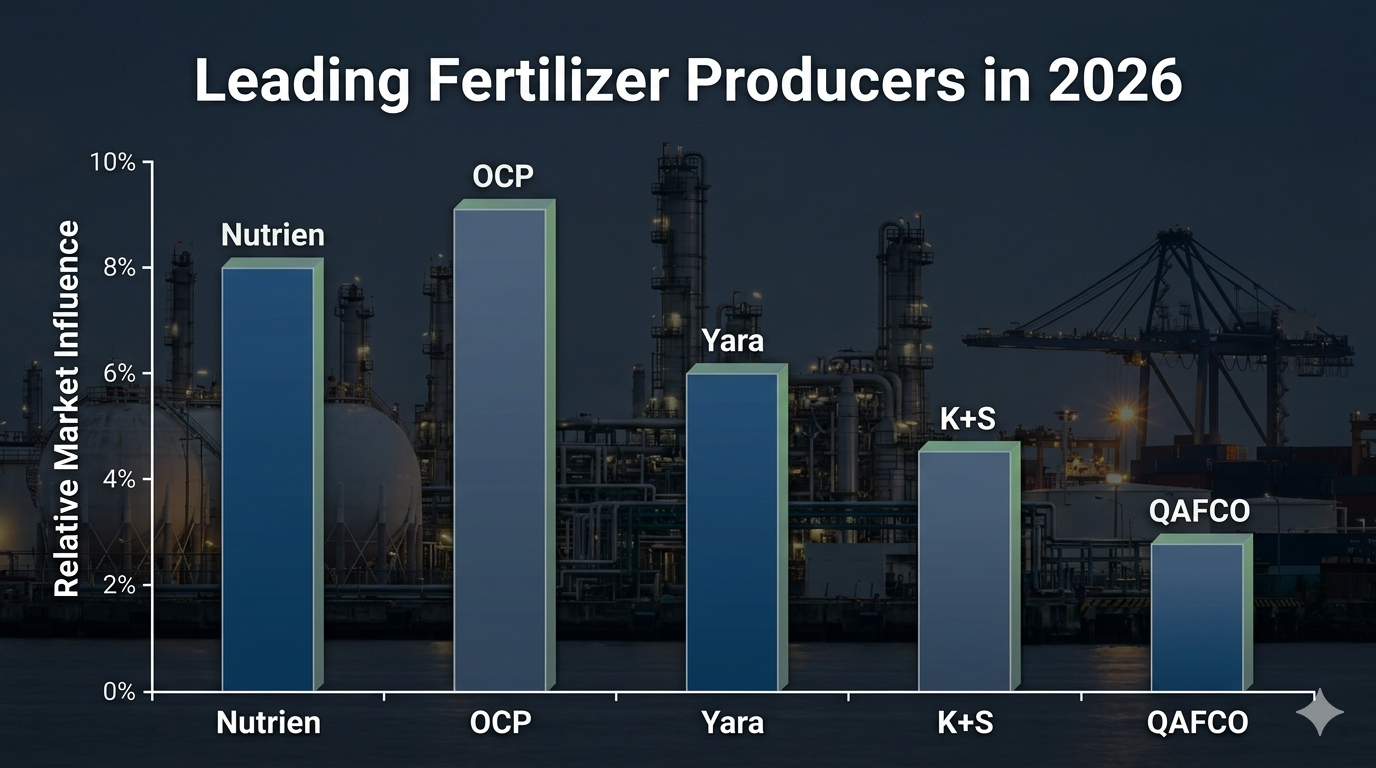
The 2026 Hormuz crisis disrupted global chemical trade, but created major commercial winners. From OCP Morocco and Nutrien to Wanhua Chemical and US exporters, H1 2026 proved that supply chain disruption often shifts value rather than destroying it.

The latest UN food security assessment shows improving fertilizer supply but persistent risks for import‑dependent agricultural economies. While global fertilizer availability has steadied, price volatility and supply chain disruptions continue to threaten food security in vulnerable regions.
We're committed to your privacy. Tradeasia uses the information you provide to us to contact you about our relevant content, products, and services. For more information, check out our privacy policy.